

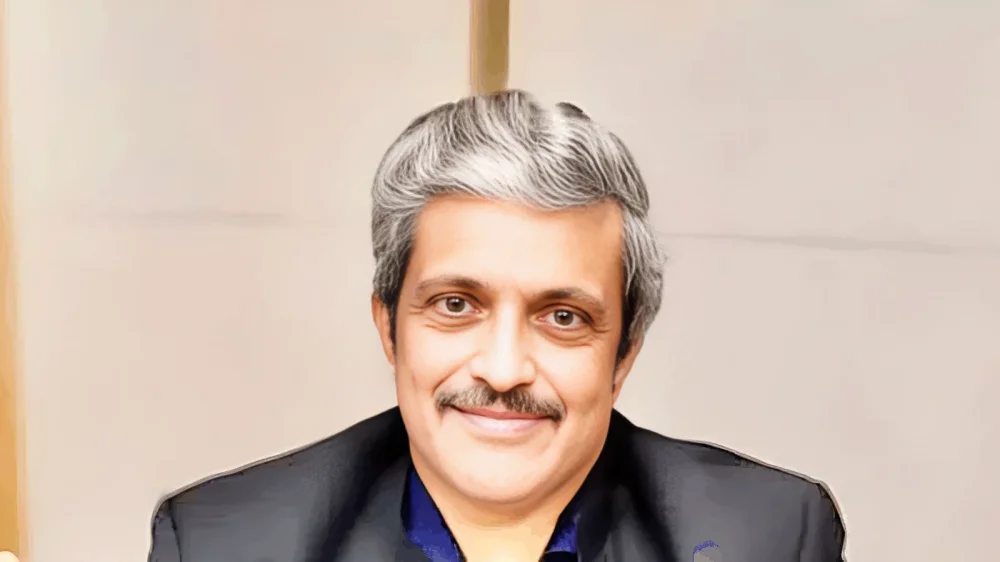
Dato Capt. Mahesan Subramaniam: Groundbreaking Gene Therapy Wipes Out “Incurable” Leukemia in 64% of Patients
Dato Capt. Mahesan Subramaniam, Co-Founder of United Health Tourism, posted on LinkedIn:
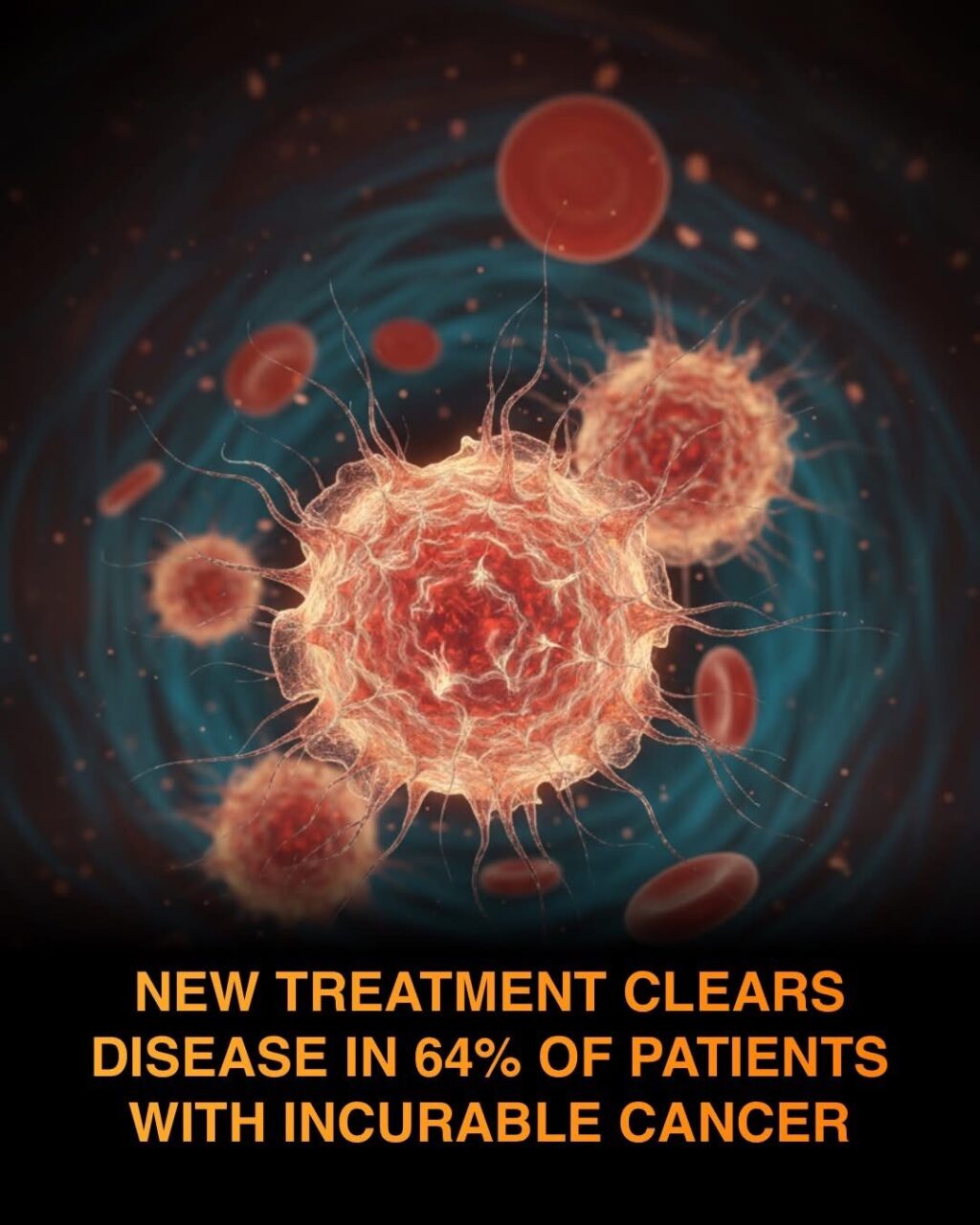
“Groundbreaking gene therapy wipes out “incurable” leukemia in 64% of patients.
A pioneering gene therapy known as BE-CAR7 has produced striking early results in patients with otherwise incurable T‑cell acute lymphoblastic leukemia.
Developed at Great Ormond Street Hospital and University College London, the treatment uses healthy donor white blood cells that are extensively gene-edited to become “universal” CAR‑T cells: surface receptors and immune markers such as CD7 and CD52 are removed so the patient’s immune system and accompanying drugs do not destroy them, and a synthetic chimeric antigen receptor is added so the cells can precisely target malignant T‑cells.
After infusion, these engineered cells aggressively attack leukemia cells over several weeks, followed by a bone marrow transplant to rebuild the patient’s immune system. The first patient, 16‑year‑old Alyssa Tapley, whose cancer had not responded to chemotherapy or a previous transplant, has remained cancer‑free for around three years and returned to normal activities, illustrating the transformative potential of this approach.
Early clinical data are similarly encouraging but underline the intensity and risks of the therapy. In a phase 1 trial presented at the 67th American Society of Hematology meeting, eight children and two adults with aggressive T‑cell leukemia were treated with BE‑CAR7; 82 percent achieved very deep remissions that allowed them to proceed to bone marrow transplant, and 64 percent remain disease‑free, some now three years out from treatment. Not all patients survived: the regimen carries serious side effects and patients face prolonged vulnerability to infection while their immune systems recover post‑transplant.
References (APA style)
Dexter, T. (2025). Expert reaction to study looking at universal base edited CAR7 T cells for T‑cell acute lymphoblastic leukemia. Science Media Centre.
Qasim, W., et al. (2025). Base‑edited allogeneic CAR7 T cells for relapsed or refractory T‑cell acute lymphoblastic leukemia. New England Journal of Medicine.”
Discover the latest in Hemostasis Today.
-
Oct 10, 2026, 17:58Archo Farzana Batool: Exploring Medical Writing Through an Article on Iron Deficiency Anemia
-
Oct 10, 2026, 17:53Assessing Frailty in Adults With Hemophilia – JTH
-
Oct 10, 2026, 17:52Fatma Sadeghi: Reducing Maternal Health Inequalities Through Nursing Advocacy
-
Oct 10, 2026, 17:50Grzegorz Hensler: How Apheresis Transformed Blood Cell Separation and Collection
-
Oct 10, 2026, 17:47Hemant K Sharma: Japan’s Universal Artificial Blood Research – A Potential Breakthrough in Transfusion Medicine
-
Oct 10, 2026, 17:40John Strouse: Learning About Bleeding Disorders and Sickle Cell Disease at FWGBD
-
Oct 10, 2026, 17:34Mae Caime: Speaking at the Annual Women’s Retreat for the Hemophilia Community in Florida
-
Oct 10, 2026, 17:30Chokri Ben Lamine: PNH beyond the Textbook Triad
-
Oct 10, 2026, 17:29Ruah Alyamany: Thrombosis and Anticoagulation in Hematological Malignancies at SOHO KSA 2026