


Asif Sohrab on Artificial Sweeteners’ Association with Increased Blood Clotting Risk
Asif Sohrab, Owner and Founder of Doctor ASKY, shared on LinkedIn:
”Artificial sweeteners and sugar substitutes might seem like a healthier choice because they have fewer or no calories, but recent research shows it’s not that simple.
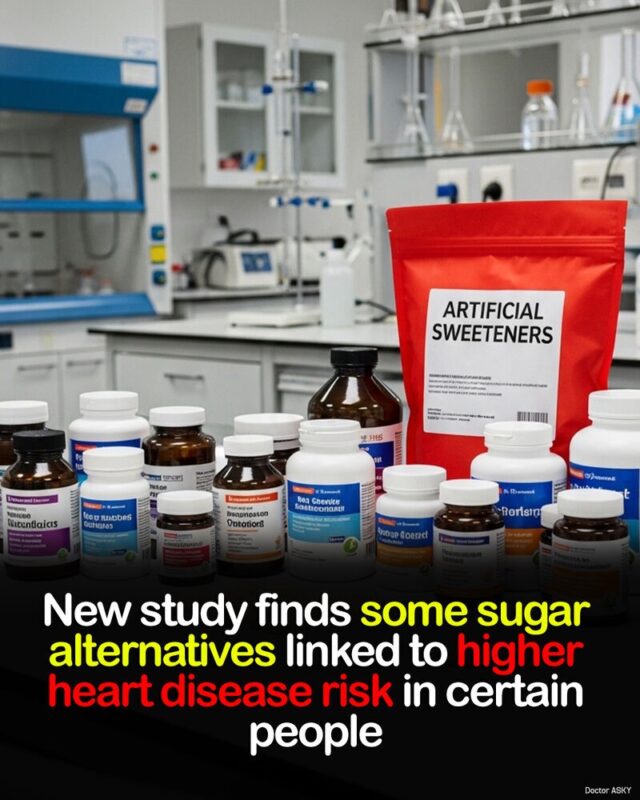
A study published in Arteriosclerosis, Thrombosis and Vascular Biology found that erythritol—a popular sugar alcohol used in many “sugar-free” products—can increase blood clotting, a risk factor for heart disease.
This is different from regular sugar, and while the study was small and doesn’t prove cause and effect, it raises concerns, especially since many people with higher heart risk (like those with obesity or diabetes) use these substitutes thinking they’re safer.
This adds to earlier research that links erythritol to cardiovascular risks.
Artificial sweeteners come in different types: classic ones like aspartame and sucralose, sugar alcohols like erythritol and xylitol, and novel sweeteners like stevia and monk fruit.
While the FDA generally considers them safe, they come with both pros and cons.
On the plus side, they can help control blood sugar for diabetics, protect dental health by not feeding cavity-causing bacteria, and may assist short-term weight control by reducing calorie intake.
However, the World Health Organization warns they don’t work well for long-term weight loss.
On the downside, some sweeteners might harm gut health by disrupting good bacteria, cause digestive issues like bloating or cramps, and even increase cravings for sweets, confusing the body’s appetite control.
Some studies also suggest that frequent use of artificial sweeteners might lead to weight gain over time, possibly due to metabolic changes or people compensating by eating more calories elsewhere.
Since the long-term effects of sugar substitutes aren’t fully understood, the best advice is to use them in moderation, listen to how your body reacts, and talk with your doctor about the best choices for your health.
Whole foods—like fresh fruit—are usually the better option.
Ultimately, the goal is to balance health needs with enjoying your food.”
Stay updated with Hemostasis Today.
-
Oct 10, 2026, 17:58Archo Farzana Batool: Exploring Medical Writing Through an Article on Iron Deficiency Anemia
-
Oct 10, 2026, 17:53Assessing Frailty in Adults With Hemophilia – JTH
-
Oct 10, 2026, 17:52Fatma Sadeghi: Reducing Maternal Health Inequalities Through Nursing Advocacy
-
Oct 10, 2026, 17:50Grzegorz Hensler: How Apheresis Transformed Blood Cell Separation and Collection
-
Oct 10, 2026, 17:47Hemant K Sharma: Japan’s Universal Artificial Blood Research – A Potential Breakthrough in Transfusion Medicine
-
Oct 10, 2026, 17:40John Strouse: Learning About Bleeding Disorders and Sickle Cell Disease at FWGBD
-
Oct 10, 2026, 17:34Mae Caime: Speaking at the Annual Women’s Retreat for the Hemophilia Community in Florida
-
Oct 10, 2026, 17:30Chokri Ben Lamine: PNH beyond the Textbook Triad
-
Oct 10, 2026, 17:29Ruah Alyamany: Thrombosis and Anticoagulation in Hematological Malignancies at SOHO KSA 2026