

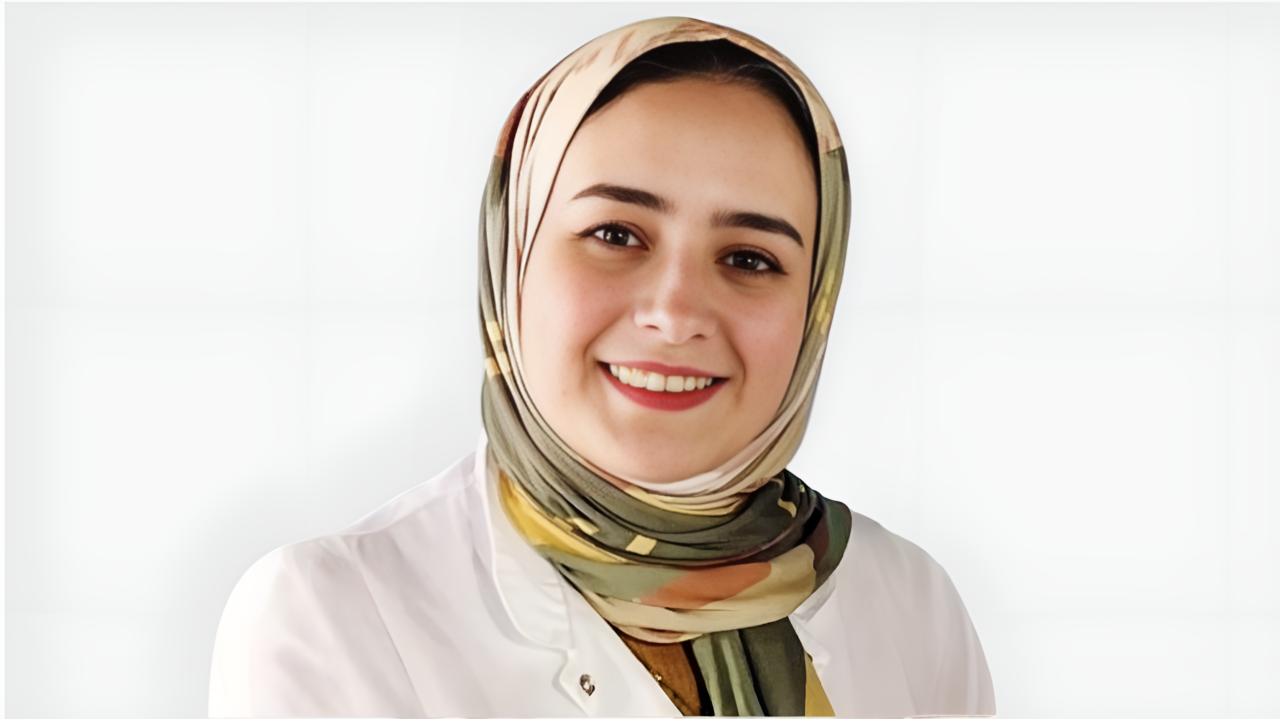
Hounaida Mahfoud on Hemoperitoneum in Case of Type 3 VWD
Hounaida Mahfoud, Assistant Professor at Faculty of Medicine and Pharmacy of Rabat, shared on LinkedIn:
”Delighted to share the publication of our article on a difficult case managed successfully, thanks to my mentor Pr Mohamed El Khorassani and the dedicated ICU team at Hôpital de Maternité Souissi.
Honoured to be part of this work.
Hemoperitoneum secondary to a ruptured hemorrhagic C is usually a benign and self-limiting condition, but in women with type 3 von Willebrand disease (VWD), it may evolve into a severe and potentially life-threatening event due to the inability to achieve spontaneous hemostasis.
We report a case of a 30-year-old woman with type 3 VWD who presented with acute pelvic pain and profound anemia.
Transvaginal ultrasonography and MRI demonstrated a ruptured hemorrhagic ovarian cyst associated with a large hemoperitoneum.
Despite the extent of bleeding, the patient remained hemodynamically stable and was managed conservatively.
Treatment consisted of von Willebrand factor replacement, blood transfusion, analgesia, and close clinical and radiological monitoring.
Her condition improved progressively, with normalization of hemoglobin levels, resolution of symptoms, and significant regression of the hemoperitoneum on follow-up imaging.
No surgical intervention was required. Managing ovarian cyst rupture in severe VMD is particularly challenging, as surgical intervention carries substantial hemorrhagic risk.
Conservative management, when supported by adequate hemostatic therapy, can be both safe and effective, preserving ovarian function and reducing perioperative morbidity.
This case underscores the importance of individualized, multidisciplinary care to optimize management strategies in women with severe bleeding disorders.”
Read the full article here.
Article: Conservative Management of Hemoperitoneum Due to a Ruptured Hemorrhagic Ovarian Cyst in Type 3 von Willebrand Disease
Authors: Hounaida Mahfoud, Rim Laaboudi, Mohamed Elkhorassani, Nabil Elachhab, Samir Bargach
Stay updated on all scientific advances with Hemostasis Today.
-
Oct 17, 2026, 02:36Archil Jaliashvili: Oxygen Transport in Capillaries
-
Oct 17, 2026, 02:35Carly Newton: Understanding Access to Red Blood Cell Exchange for People Living With SCD
-
Oct 17, 2026, 02:34Raising Awareness of Blood Clots During and After Pregnancy – Thrombosis UK
-
Oct 17, 2026, 02:33Alaa Salamat: Our Research Accepted for Publication at ASH 2026
-
Oct 17, 2026, 02:32Mohammed Al Sharif: Discussing Factor XIII Testing and Its Clinical Significance
-
Oct 17, 2026, 02:31Joanna Popiolek-Kalisz: Talking about Novel Pharmacotherapy for Hypertension at CV Prevention and Intervention
-
Oct 17, 2026, 02:00How Antiphospholipid Syndrome Can Affect the Adrenal Glands – APS Foundation of America
-
Oct 17, 2026, 01:59Liza-Marie Johnson: How Far Should Clinicians Go to Influence Parents’ Decisions?
-
Oct 17, 2026, 01:54Jim Hoffman: The Importance of Self-Advocacy and Understanding Autoimmune Mechanisms