

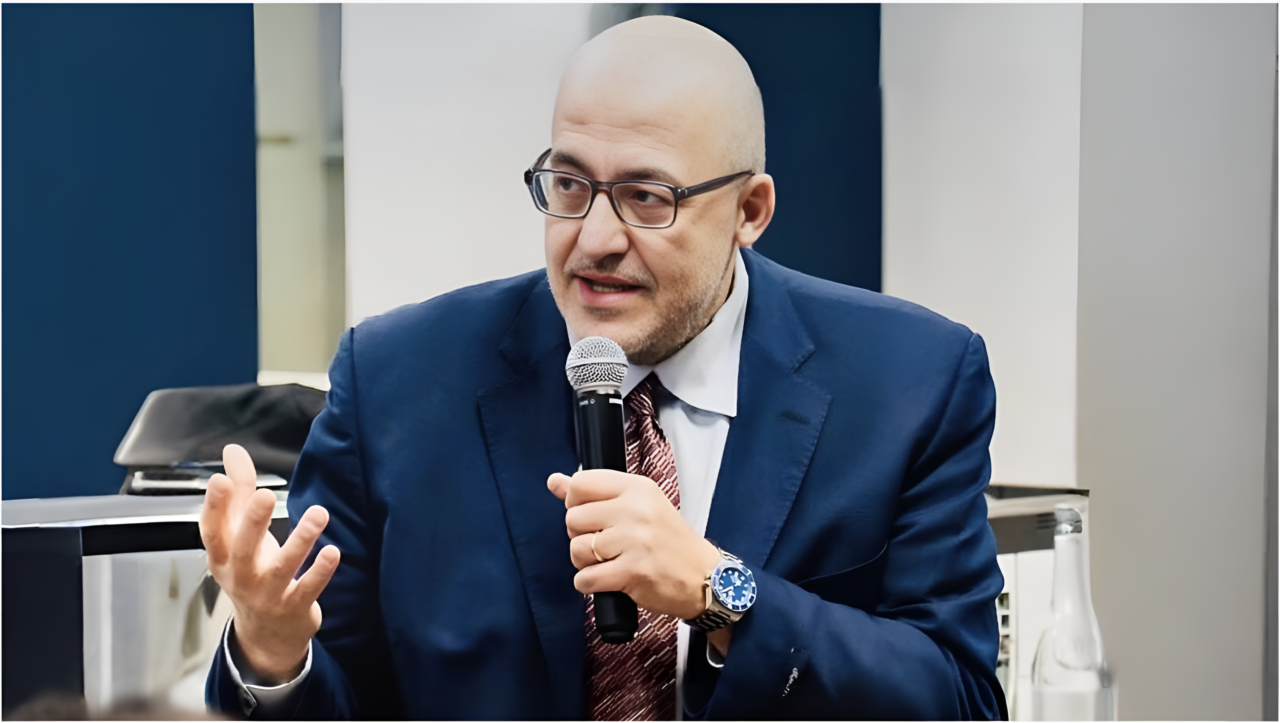
Filippo Cademartiri on Why Vascular Health Is Cognitive Health
Filippo Cademartiri, Consultant Advanced Cardiovascular Imaging at UPMC Salvator Mundi International Hospital, shared on LinkedIn:
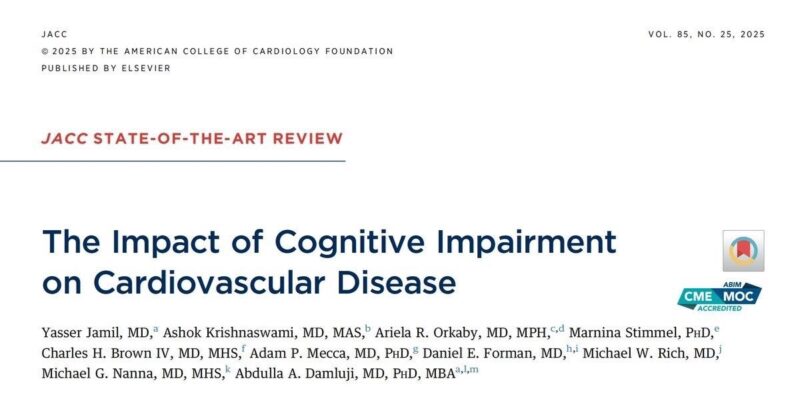
”’When the Heart and Brain Fail Together: Why Vascular Health Is Cognitive Health’
Cognitive impairment and cardiovascular disease are deeply connected in both biology and care delivery.
New evidence highlights that cognitive decline isn’t just an outcome of aging — it affects how patients receive and respond to heart care, and conversely, vascular health shapes cognitive trajectories.
People with cardiovascular disease (CVD) are at higher risk for cognitive impairment due to shared mechanisms like hypertension, cerebral hypoperfusion, inflammation, atrial arrhythmias, and microvascular injury.
Importantly, cognitive impairment reduces engagement with care: lower treatment adherence, delayed help-seeking, and under-prescription of guideline-directed therapies are all more common.
This creates a vicious cycle where heart disease worsens cognition and impaired cognition undermines cardiovascular care.
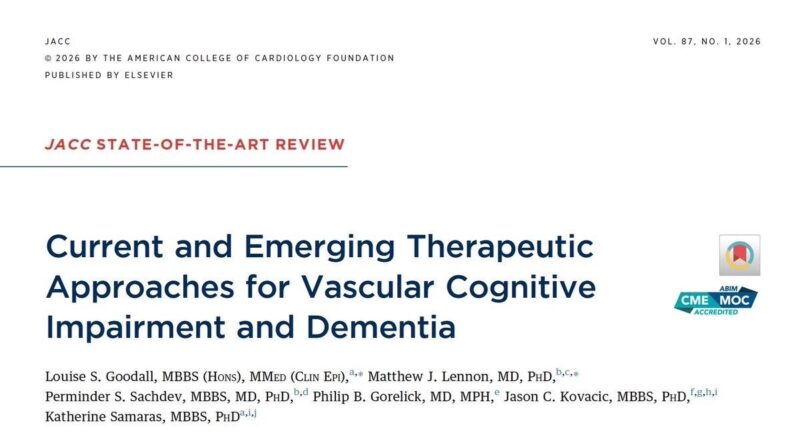
Therapeutically, progress in vascular cognitive impairment and dementia (VCID) has been modest compared to Alzheimer’s, but meaningful strategies exist.
Symptomatic cognitive enhancers (e.g., donepezil, memantine) may offer modest benefits, especially in mixed pathology.
Behavioral and environmental interventions remain first-line for neuropsychiatric symptoms.
The greatest impact comes from vascular risk management: aggressive control of blood pressure, diabetes, atrial fibrillation, smoking cessation, and promotion of physical activity not only protects the heart but also slows cognitive decline.
Take-home:
Screen for cognitive impairment in all cardiac patients
Treat the whole patient: cardiovascular + cognitive risk
Focus on aggressive vascular prevention as dementia prevention
Tailor care plans to support adherence and decision-making
Better cardiovascular health equals better brain health.”
Stay updated with Hemostasis Today.
-
Oct 20, 2026, 21:22Intezar Mehdi: When Prolonged Bleeding May Indicate an Underlying Bleeding Disorder
-
Oct 20, 2026, 21:06Nandini Pethe: Sharing My Experience as a Caregiver in the HOPE Factor Resource Guide
-
Oct 20, 2026, 16:51Suzan Nakasendwa: A Growing Stroke Challenge in Uganda
-
Oct 20, 2026, 16:38Steve Moon: How Does Smoking Cessation Duration Affect Ischemic Stroke Risk
-
Oct 20, 2026, 16:25Cedrice Mentor: Reducing Platelet Wastage Through Cold Storage
-
Oct 20, 2026, 16:09Thirunavukkarasu Angappan: Can a Purified Fibrinogen Concentrate Replace Cryoprecipitate
-
Oct 20, 2026, 16:01Kalyan Roy: Platelet Conservation Through Evidence-Based Transfusion Practice
-
Oct 20, 2026, 15:28Stacy E. Croteau: 33 Countries, One Mission – Better Bleeding Disorder Care
-
Oct 20, 2026, 15:19Teresa Barnes: What Does a Pulmonary Embolism Mean for Jalen Hurts?