


John Amako: Childhood to Adulthood Management Approach for SCD
John Amako, Branch Manager at United Healthcare International Ltd., shared on LinkedIn:
”Childhood to Adulthood Management approach for Sickle Cell Disease;
Managing Sickle Cell Disease (SCD) involves lifelong care, starting with infancy (antibiotics, hydroxyurea, vaccinations) to prevent infections and crises, progressing through childhood (stroke screening, education for self-advocacy) and adolescence, with a critical transition to adult care focusing on managing complex comorbidities, chronic pain, and self-management, with treatments like hydroxyurea, transfusions, pain management, lifestyle changes, and newer gene therapies offering potential cures, all under a specialized healthcare team.
Childhood Management (Infancy to Adolescence):
- Infection Prevention: Daily penicillin until age 5, vaccinations, and prompt attention to fever.
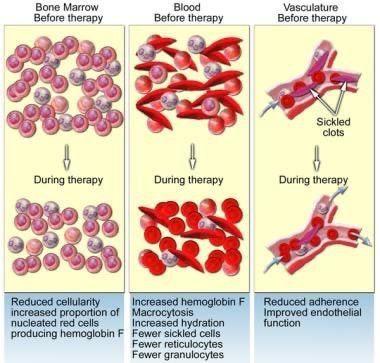
- Hydroxyurea: Often started early (around 9 months) to reduce pain crises, acute chest syndrome, and hospitalizations, increasing fetal hemoglobin.
- Stroke Prevention: Annual Transcranial Doppler (TCD) ultrasounds from ages 2-16; if abnormal, chronic transfusions or hydroxyurea may be used.
- Pain Management: Home management for mild pain (hydration, OTC meds) and prompt care for severe pain.
- Education: Teaching children and families about triggers (cold, dehydration) and self-care.
Transition to Adulthood
– Self-Advocacy: Crucial stage where young people learn to manage their own care, transitioning from pediatric to adult hematology teams.
– Increased Complexity: Adults face more organ damage, chronic pain, and psychosocial challenges.
– Healthcare System Gaps: A known risk period for poor outcomes due to fragmented care.
Adult Management and Lifelong Care
Medications:
Hydroxyurea: Still a cornerstone for preventing crises, improving anemia.
L-glutamine (Endari): Reduces pain crises in patients 5+.
Crizanlizumab (Adakveo): Injection to reduce pain crises in those 16+.
Folic Acid: Daily supplementation to support red blood cell production.
Transfusions: Regular chronic transfusions or emergency transfusions for severe complications.
Pain Management: Multimodal approach, including opioids for severe pain, avoiding certain drugs like meperidine (Demerol).
Lifestyle: Stay hydrated, stay warm, avoid extreme temperatures, and manage stress.
Curative Options:
- Stem Cell Transplant: Potential cure, but carries risks and requires donors.
- Gene Therapies (e.g., Casgevy, Lyfgenia): Newly approved for patients 12+.
Key Principles Across Lifespan
- Specialized Team: Care by hematologists, nurses, social workers, and psychologists.
- Patient Education: Essential for managing triggers and understanding treatment.
- Early Intervention: Prompt treatment for acute issues like chest syndrome, stroke, or severe pain.”
Stay updated with Hemostasis Today.
-
Oct 16, 2026, 13:59Aya Akmal Amin: Antiphospholipid Syndrome Management and Risk Stratification
-
Oct 16, 2026, 13:10Emanuel Sueldo: CAHT 2026 Celebrates Scientific Progress and Team Achievements
-
Oct 16, 2026, 13:05Maha Othman: Queen’s Health Sciences Advances CAT Risk Models and Pediatric ISTH-BAT Cut-Offs
-
Oct 16, 2026, 13:03Thrombosis Awareness Must Lead to Timely Action – Roche
-
Oct 16, 2026, 12:49Wolfgang Miesbach: 5-Year CBDR Data Confirms Emicizumab Safety and Efficacy in Hemophilia A
-
Oct 16, 2026, 12:40Edward Lee Carter: How Factor XI Inhibition Could Transform Anticoagulation Therapy
-
Oct 16, 2026, 12:40Marc Carrier: Looking Ahead to ISTH 2027 in Vancouver
-
Oct 16, 2026, 12:30Bob Lempke: How One Blood Donation Can Save Up to Three Lives
-
Oct 16, 2026, 12:30Why VWF Therapies Belong on the EU Critical Medicines List – EHC