


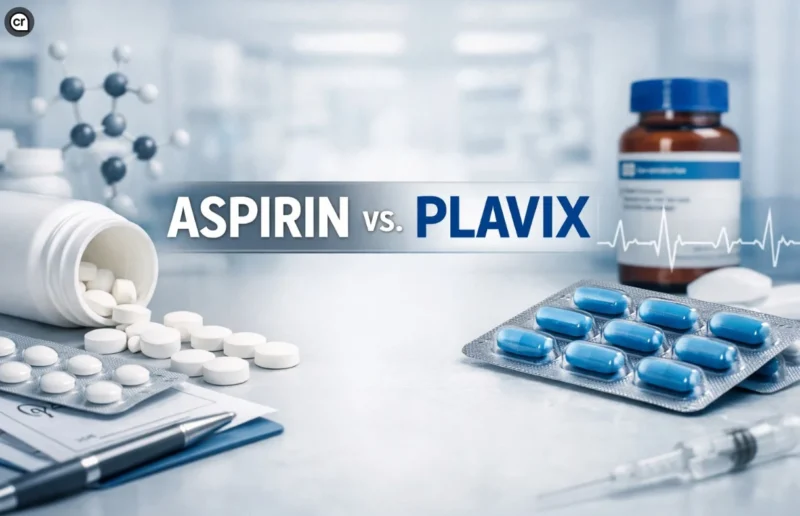
Ahmed Abdalbagi: Aspirin vs Plavix – Updated Clinical and Pharmacological Breakdown
Ahmed Abdalbagi, SCFHS-Licensed Pharmacist, shared a post on LinkedIn:
“Aspirin vs. Plavix: Updated clinical and pharmacological breakdown:
Drug class and mechanism:
- Aspirin (acetylsalicylic acid):
Irreversible cox-1 inhibitor |Antiplatelet + NSAID (anti-inflammatory, analgesic, antipyretic). - Plavix (clopidogrel):
Irreversible P2Y12 ADP-receptor inhibitor | Pure antiplatelet – NO NSAID effects. - Available strengths:
Aspirin: 75mg, 81mg, 100mg, 300mg (varies by indication). Plavix: 75mg (maintenance), 300mg (loading dose).
Key contraindications:
Aspirin: Active peptic ulcer, NSAID-sensitive asthma, bleeding disorders, severe renal/hepatic impairment.
Plavix: Active bleeding, intracranial hemorrhage, hypersensitivity – safe in asthma.
Shared contraindication:
ITP (immune thrombocytopenia) – high bleeding risk.
Critical drug interaction alert – updated guidelines:
Plavix + PPIs: Significant interaction via CYP2C19 inhibition – reduces clopidogrel antiplatelet efficacy.
Avoid: Omeprazole, Esomeprazole.
Preferred PPI if mandatory: Pantoprazole (minimal CYP2C19 effect).
2024 recommendation: Use H2 blockers (e.g., famotidine) or PPI only if strongly indicated.
Primary indications – secondary prevention:
Acute Coronary Syndrome (ACS), MI, Ischemic Stroke, Post-PCI/Stent, Post-CABG.
DAPT (Dual Antiplatelet Therapy): Aspirin + Clopidogrel – duration individualized per bleeding/thrombosis risk.
DAPT Duration Post-PCI: Short-term (3-6 months) for high bleeding risk; extended if high thrombotic risk.
Genetic testing: CYP2C19 loss-of-function alleles – consider for clopidogrel non-responders.
Primary prevention: Aspirin reserved for select high CV risk patients (no routine use).
For all healthcare professionals:
Guidelines align with ACC/AHA and ESC – emphasize personalized antiplatelet therapy.
Hospital and community pharmacists: Screen for ppi interactions, educate on adherence, monitor bleeding signs.
Are you updating your DAPT protocols based on latest guidelines? How do you manage PPI interactions in practice? Tag a colleague who needs to see this.”
Stay updated on all scientific advances with Hemostasis Today.
-
Sep 29, 2026, 03:53Nahrwan Masaoodi: Iron Deficiency Can Exist Without Anemia
-
Sep 29, 2026, 03:38Muhammad Yousaf: Iron Deficiency Beyond Diet
-
Sep 29, 2026, 03:21Parvez Ahmed Chowdhury: Synthesizing Aspirin in the Organic Chemistry Lab
-
Sep 29, 2026, 03:12Ahmed Hamandi: Building the Future of Hematopoietic Transplantation in Iraq
-
Sep 29, 2026, 03:09M V Chandrakanth: Aspirin in CRC – Old Drug, New Precision Oncology?
-
Sep 29, 2026, 03:07Caroline Pothet: Advancing Treatment Development in Sickle Cell Disease and Thalassaemia
-
Sep 29, 2026, 02:53Astha Jain: Thalassemia Care Through a Public Health Lens
-
Sep 29, 2026, 02:50Emma Groarke: Starting a New Career Path in Homeland
-
Sep 28, 2026, 19:14Aditya Sharma: An Outstanding Start to the Final Day of VSS 2026!