

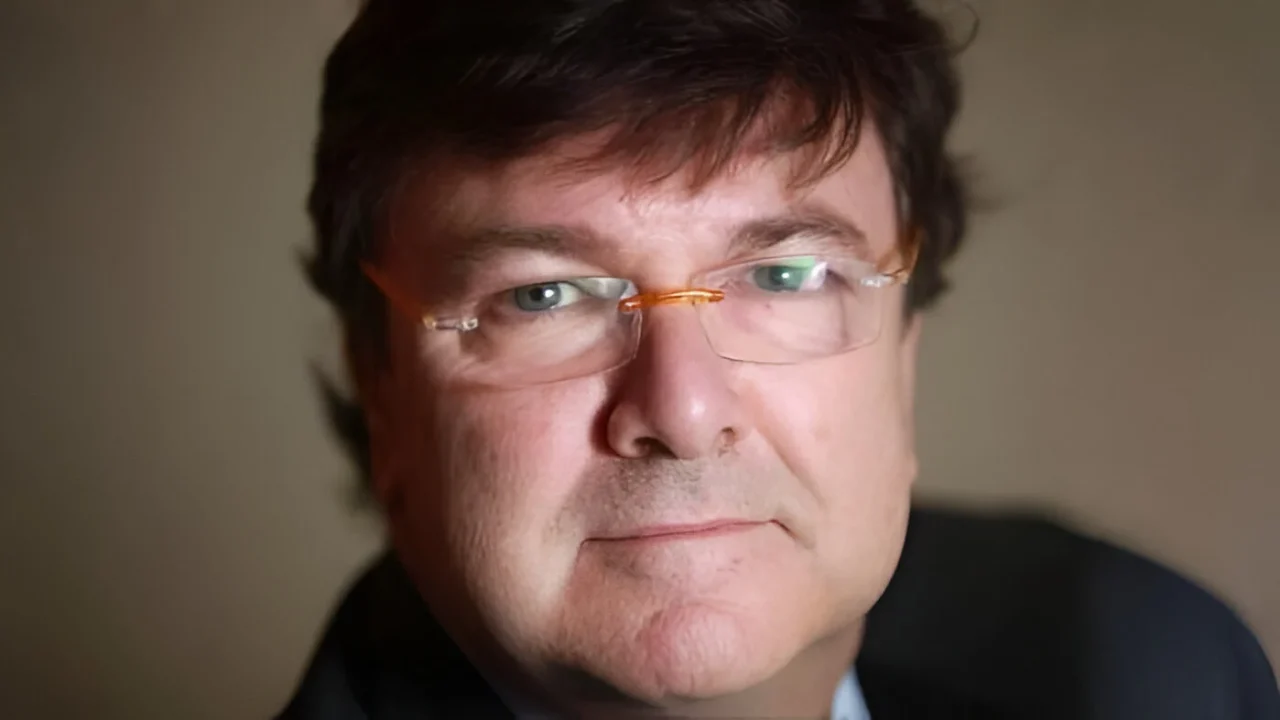
Paolo Zamboni’s Call For Action For All Vascular Surgeons Interested in CVD
Paolo Zamboni, Full Professor of Vascular Surgery at the University Hospital of Ferrara, shared on LinkedIn about a recent article he authored, adding:
”My invited commentary on the latest Issue of JVS-VLD is a CALL FOR ACTION for all vascular surgeons Who are interested in chronic venous disease (CVD).
CVD is an underestimated risk factor for major CV events(OR 2.5)!!!
We must prevent patients with CVD from becoming patients managed by cardiologists on a pharmacological basis.
My point of view is to suggest interventions in order to abolish the oscillatory flow of chronic venous reflux, since such mechanical stimulus releases circulating molecules from the venous endothelium, which in turn promote atherosclerosis at the arterial level.”
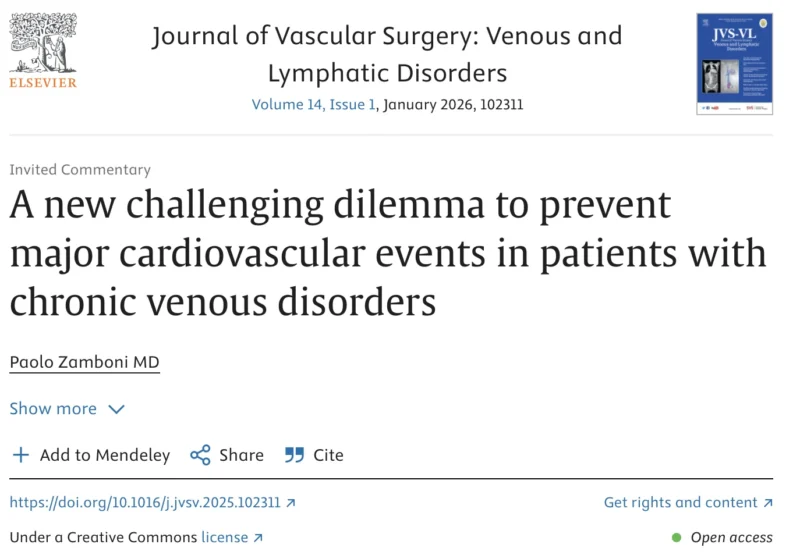
Title: A new challenging dilemma to prevent major cardiovascular events in patients with chronic venous disorders
Author: Paolo Zamboni
Read the Full Commentary on Journal of Vascular Surgery: Venous and Lymphatic Disorders
Stay updated on all scientific advances with Hemostasis Today.
-
Sep 29, 2026, 14:59Global Von Willebrand Disease Diversity Webinar Now Available on EHC YouTube – EHC
-
Sep 29, 2026, 14:43Mary Cushman: Apply to Shape Scientific Publishing as ISTH Associate Editor
-
Sep 29, 2026, 14:32Honoring Women Leaders Advancing Research, Care, and Innovation in Thrombosis and Hemostasis – Seminars in Thrombosis and Hemostasis
-
Sep 29, 2026, 14:20Nathan Connell: Key Takeaways from the 8th Aland Island Meeting on von Willebrand Disease
-
Sep 29, 2026, 14:09Mariusz Ratajczak: Are We Inadvertently Destroying the True Regenerative Power of PRP by Discarding the Plasma?
-
Sep 29, 2026, 14:00Nithin M: Proximal Splenic Artery Embolization Prior to Shunt-Directed Variceal Therapy
-
Sep 29, 2026, 13:12Wolfgang Miesbach: Teclistamab Targets the Source of Pathogenic Autoantibodies
-
Sep 29, 2026, 12:37Dan Milikovsky: Uncovering Cerebrovascular Injury in Sickle Cell Disease
-
Sep 29, 2026, 12:02Hajra Malik: Bridging Language Gaps in Hematology With AI