


Mahesan Subramaniam: The Role of Maternal Genetics in the Inheritance of Intelligence
Mahesan Subramaniam, Co-Founder of United Health Tourism, shared a post on LinkedIn:
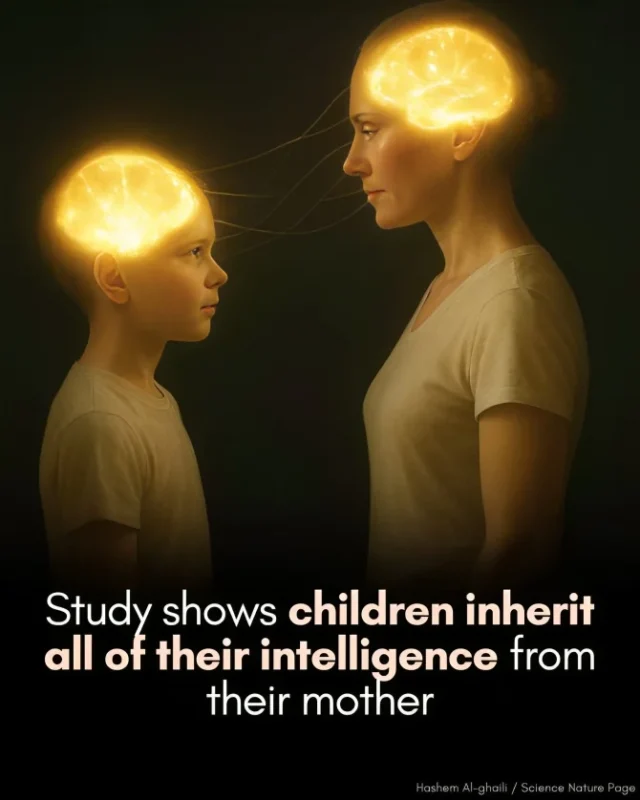
”New research reveals that children are more likely to inherit their intelligence from their mothers thanks to the X chromosome.
Groundbreaking findings from the University of Cambridge suggest that intelligence is predominantly inherited from the maternal line.
The core of this discovery lies in the X chromosome, which carries intelligence-related genes; since women possess two X chromosomes and men only one, mothers are twice as likely to pass these traits to their offspring.
Furthermore, these maternal genes are specifically programmed to activate in the cerebral cortex, the brain’s sophisticated center for memory, language, and complex reasoning. In contrast, genes inherited from the father tend to influence the limbic system, which governs more primal functions and physical development.
While these genetic insights emphasize the mother’s biological impact, researchers underscore that intelligence is not determined by DNA alone. The quality of early caregiving and the nurturing environment provided by both parents remain crucial factors in a child’s cognitive growth. This study highlights a fascinating genetic blueprint where mothers provide the foundation for complex thought, while fathers support other vital developmental systems. Ultimately, this research offers a deeper understanding of how our cognitive abilities are shaped, reinforcing the powerful biological and environmental bond between a mother and her child.
Source: Malewar, A. Scientists Confirm that Intelligence Comes from Your Mother. Tech Explorist.”
Stay updated with Hemostasis Today.
-
Nov 18, 2026, 20:58Uma Vaidyanathan: When Hemoglobin Does Not Respond to Iron Therapy, Look Beyond Iron Deficiency
-
Nov 18, 2026, 20:57Jamil Rafiq: 5 Ways to Prevent Sample Haemolysis
-
Nov 18, 2026, 20:55Nasir Jamal: Plasmapheresis – Key Concepts at a Glance
-
Nov 18, 2026, 20:55Tarık Seller: Pulmonary Embolism – When a Blood Clot Becomes a Life-Threatening Emergency
-
Nov 18, 2026, 20:53Sandya Arunachalam: Bringing the Profession Together at the Haemostasis and Thrombosis Workshop
-
Nov 18, 2026, 15:11Vansh Yaduvanshi: Why Compatible Blood Groups Do Not Always Mean Compatible Blood
-
Nov 18, 2026, 14:49Estetrol-Based Contraception in PCOS and Its Effects on Coagulation – RPTH Journal
-
Nov 18, 2026, 14:41Factor V Deficiency: Diagnostic Challenges and the Role of Combined Factor V and VIII Deficiency
-
Nov 18, 2026, 14:29Maxime Dely: When Patient Encounters Become Life Lessons