


Maxime Dely: Blood Plasma Remains the Only Possible Source of Human Albumin
Maxime Dely, Sales and Application Specialist in Therapeutic Apheresis and Cell Therapy, shared a post on LinkedIn:
”Plasma: an irreplaceable source of albumin
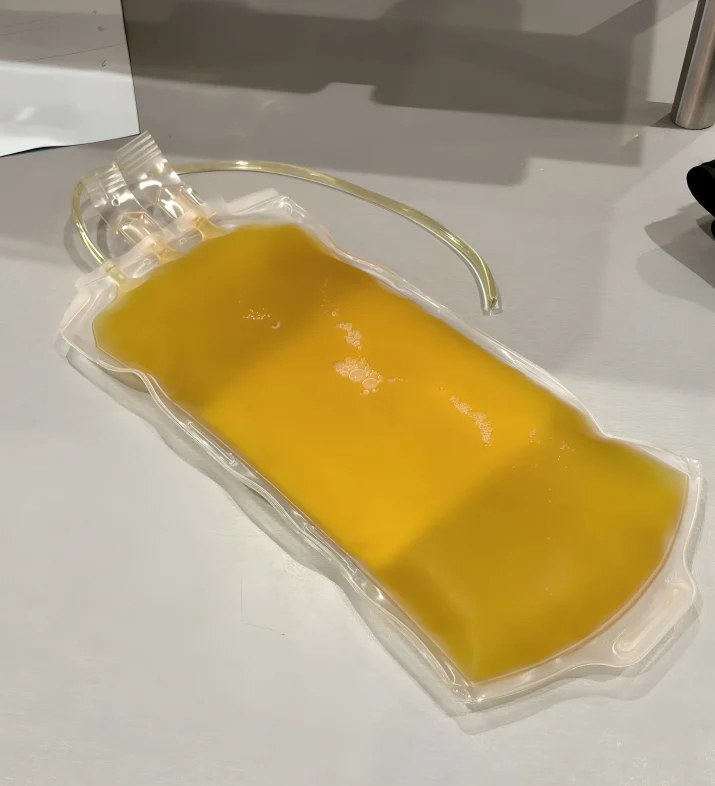
The bag in this photo? That’s my plasma. A small gesture that hides a much bigger reality…
Did you know that blood plasma is today the only possiblesource for producing human albumin?
This protein, which represents approximately 4 % of plasma, plays a fundamental role in therapeutic plasma exchange — a technique used to treat severe autoimmune diseases, neurological conditions, and acute liver failure.
In France, a single plasma donation is limited to 855 ml maximum. That may seem like a small amount… but each bag contains approximately 30-40 g of albumin, precious and irreplaceable.
No chemical synthesis, no technology can reproduce this molecule. Only the human body produces it. Only donation makes it possible to collect it.
Plasma means giving far more than a biological fluid. It means enabling patients in critical condition to receive a life-saving treatment.
Think about it.”
Stay updated with Hemostasis Today.
-
Nov 17, 2026, 15:26Hereditary Hemorrhagic Telangiectasia: The Molecular Connection Between Vascular Malformations and Bleeding
-
Nov 17, 2026, 14:54Cindy Neunert: Beyond Platelet Counts – Addressing Fatigue and Whole-Person Care in ITP
-
Nov 17, 2026, 14:44Strengthening Haemophilia Diagnosis Through Hands-On Laboratory Training – IAHAD
-
Nov 17, 2026, 14:40Platelet Membrane Protrusions Beyond Their Role in Hemostasis – JTH
-
Nov 17, 2026, 14:10Wolfgang Miesbach: Aspirin vs Anticoagulants – Who Needs More Than Aspirin?
-
Nov 17, 2026, 14:08Chaza Alaji: Soluble Transferrin Receptor – A Key to Uncovering Hidden Iron Deficiency
-
Nov 17, 2026, 14:03Shadi Tabibian: Fibrinogen – From Molecular Structure to Clinical Decision Making
-
Nov 17, 2026, 13:54Gabrielle Sarlon: Breaking the Silence on Menstrual Bleeding During Anticoagulant Therapy
-
Nov 17, 2026, 13:47Ksenia Guznova Kats: Advanced Venous Stenting in May–Thurner Syndrome