

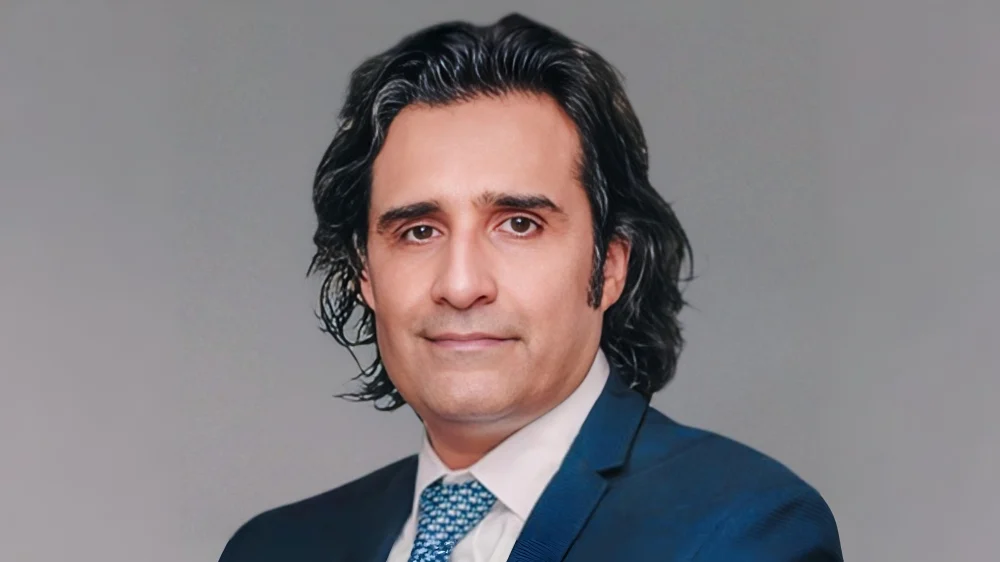
Hisam Siddiqi: A Helpful Clinical Framework for Understanding Eosinophilia
Hisam Siddiqi, Consultant Haematologist at LycaHealth, The Blackheath Hospital, Dartford and Gravesham NHS Trust, shared a post on LinkedIn:
“Understanding Eosinophilia: A Helpful Clinical Framework
Eosinophilia is a common yet often misunderstood finding in clinical practice.
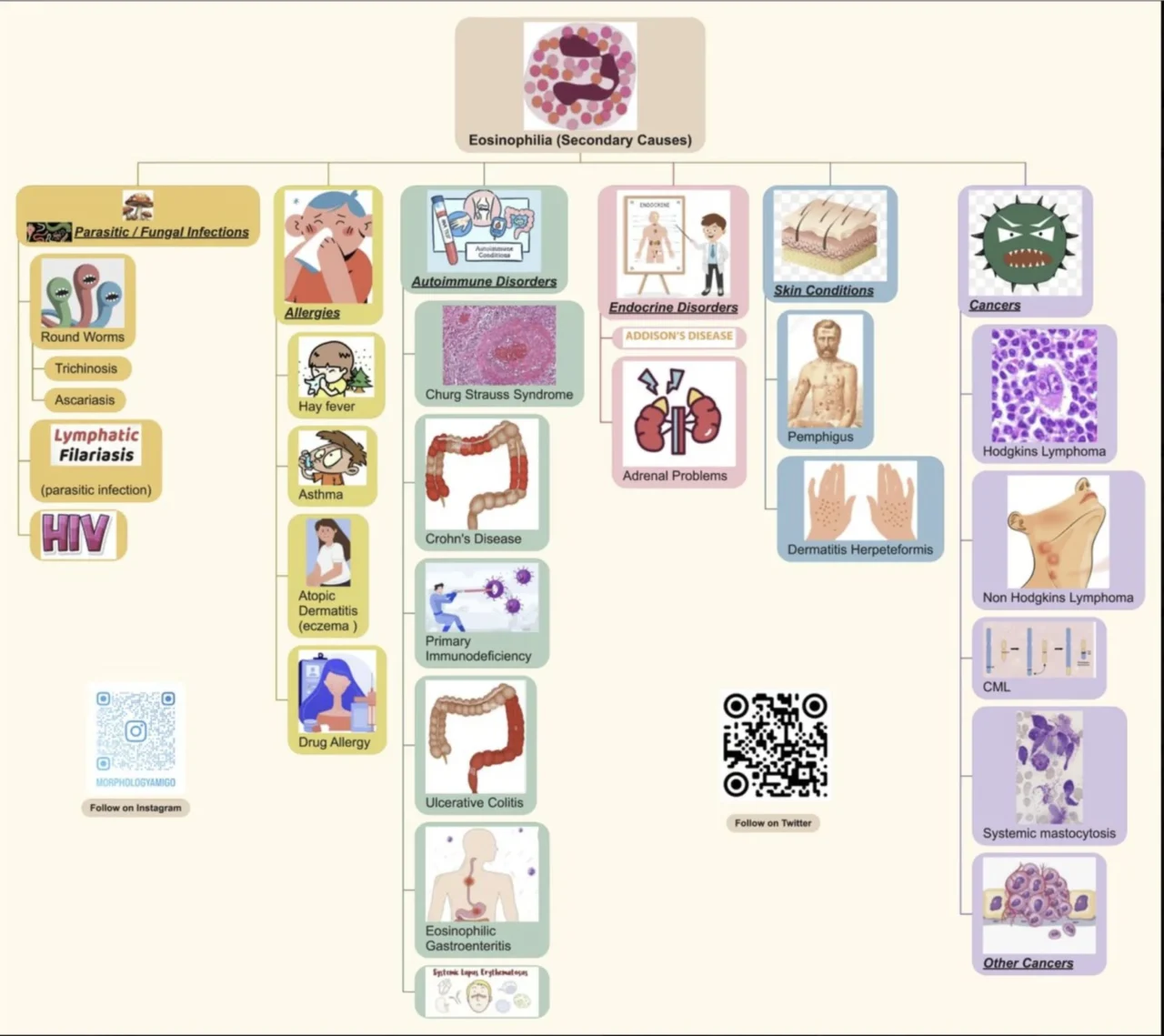
My infographic below beautifully summarises the secondary causes of eosinophilia, offering a clear way to organise our thinking when approaching patients with raised eosinophil counts.
From parasitic infections and allergic conditions, through to autoimmune disease, endocrine disorders, skin disease, and haematological malignancies, the differential is wide — and a structured approach is essential for timely diagnosis.
Key categories
- Parasitic and Fungal Infections
Examples include roundworm infections, trichinosis, ascariasis and other parasitic processes.
- Allergies
Hay fever, asthma, atopic dermatitis, and drug-related hypersensitivity reactions are frequent culprits.
- Autoimmune Disorders
Conditions such as eosinophilic gastrointestinal disorders, inflammatory bowel disease, and eosinophilic vasculitides appear in this group.
- Endocrine Disorders
Adrenal-related issues, including Addison’s disease, can also drive persistent eosinophilia.
- Skin Conditions
Several dermatological conditions are known associations and warrant consideration.
- Cancers
A reminder that eosinophilia may be associated with haematological disease such as Hodgkin and non-Hodgkin lymphoma, chronic myeloid processes, and systemic mast cell disorders.
Why it matters:
A systematic approach ensures we don’t miss reversible causes while also being vigilant for serious underlying disease.
This type of visual framework is a great tool for trainees and clinicians across specialties.
If you see eosinophilia — think broadly, investigate wisely, and always contextualize clinically.”
Stay updated with Hemostasis Today.
-
Sep 25, 2026, 13:32Gevorg Yaghjyan: Low Drug Levels, Higher Cardiovascular Risk in Lupus
-
Sep 25, 2026, 12:53Bastu Odoka: What Happened to Blood Donation?
-
Sep 25, 2026, 12:43Thomas Dayspring: Reshaping the Biology of Atherosclerotic Plaques with New Therapies
-
Sep 25, 2026, 12:14Garima Sharma: Community Clinical Linkages for Better Postpartum Cardiovascular Care
-
Sep 25, 2026, 10:49Shefina S: From Presenting to Hosting at TRANSCON 2026
-
Sep 25, 2026, 10:37Michelle Leona Cecil: Hemophilia Advocacy and the Power of Community
-
Sep 25, 2026, 10:13Michael Baria: Platelet Concentration and PRP Outcomes in Partial Rotator Cuff Tears
-
Sep 25, 2026, 08:55Hitarth Mehta: BHMS Students Gain Practical Exposure to Haemophilia Diagnosis
-
Sep 25, 2026, 07:25Varun Capoor: How Therapeutic Apheresis and Transfusion Medicine Can Complement Clinical Management in SCD