

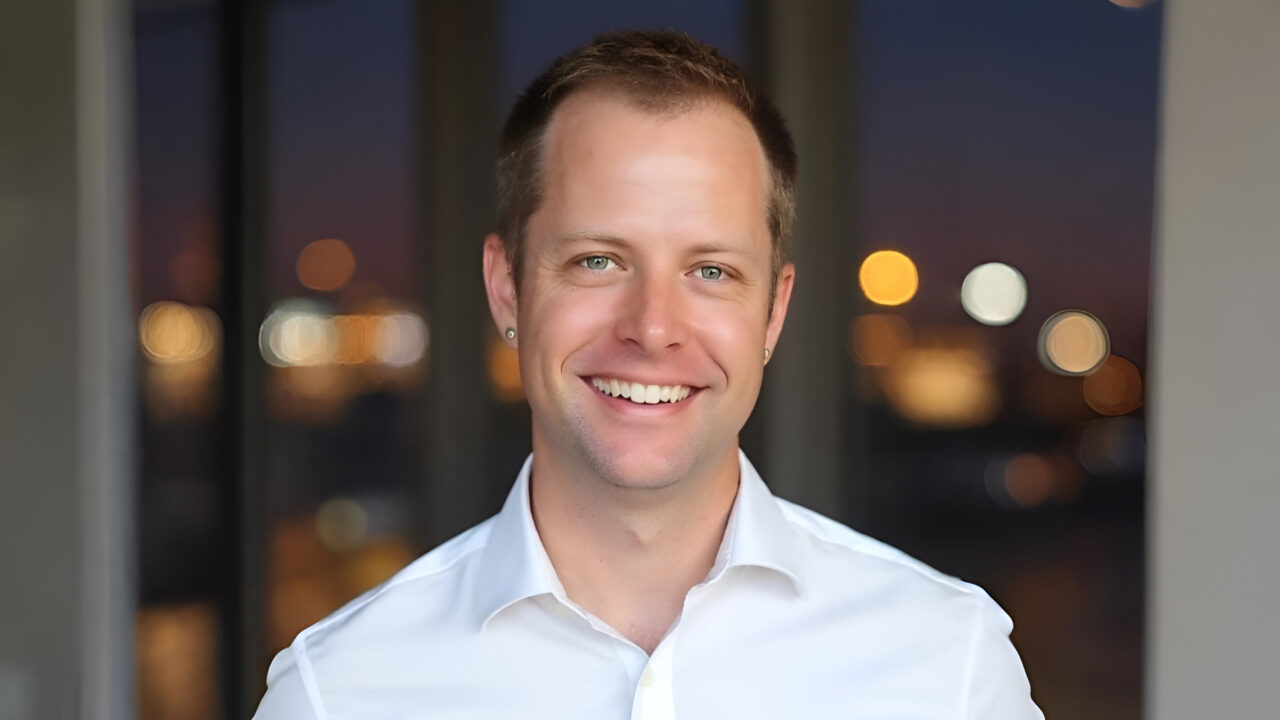
Timothy Glidewell: Genetic Signals of Platelet and Clotting Pathways in Cryptogenic Stroke
Timothy Glidewell, Spatial Regional Account Manager at Bruker Spatial, shared on LinkedIn about a recent article by Priya Dev et al, published in Plos Journal:
”Cryptogenic stroke is one of the toughest problems in medicine: patients have a stroke, but we can’t pin down the ‘why.’
This study looks for genetic clues in an understudied Indian cohort.
Using whole-exome sequencing on 16 patients and 16 unaffected relatives, the authors found 17 rare, potentially harmful variants across 15 known stroke-related genes.
When they grouped the signals, a clear theme popped out: platelet and clotting biology (think platelet activation and fibrin clot formation).
They also highlighted a small network of interacting candidates for follow-up.
Next step: validating these pathways in tissue.
GeoMx could help map RNA/protein signals in specific vascular or clot regions.”
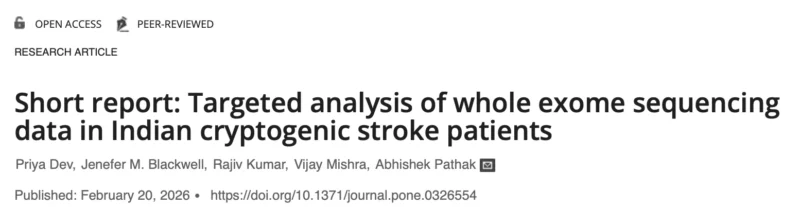
Title: Short report: Targeted analysis of whole exome sequencing data in Indian cryptogenic stroke patients
Authors: Priya Dev, Jenefer M. Blackwell, Rajiv Kumar, Vijay Mishra, Abhishek Pathak
Read the Full Article on Plos Journal
Stay updated on all scientific advances with Hemostasis Today.
-
Sep 30, 2026, 10:55Rana Al Hrout: Diagnostic Approach to Hypochromic Microcytic Anemia
-
Sep 30, 2026, 01:52Javed Anees: DADA2 – When a Young Stroke Is More Than a Stroke
-
Sep 30, 2026, 01:51How a Venous Thrombus Becomes Revascularized – ISTH
-
Sep 29, 2026, 22:45Victor Agunyego: Paracetamol – The Most Common Drug We Underestimate
-
Sep 29, 2026, 22:42Nova Sinclair: Advancing the Future of Hematology – Meet Our 2027 Organizing Committee
-
Sep 29, 2026, 22:41Lorenz Räber: Intracoronary Imaging in PCI – Why, When, How, and Which Modality?
-
Sep 29, 2026, 22:31Selma Turkovic: Pleased to Deliver the Opening Presentation at Kingston Hospital
-
Sep 29, 2026, 22:31Miguel Teran: Ultrasound and Simulation in Arterial Blood Sampling
-
Sep 29, 2026, 22:28Mohammad Refaei: Navigating Your Career in Hematology From Training to Practice