

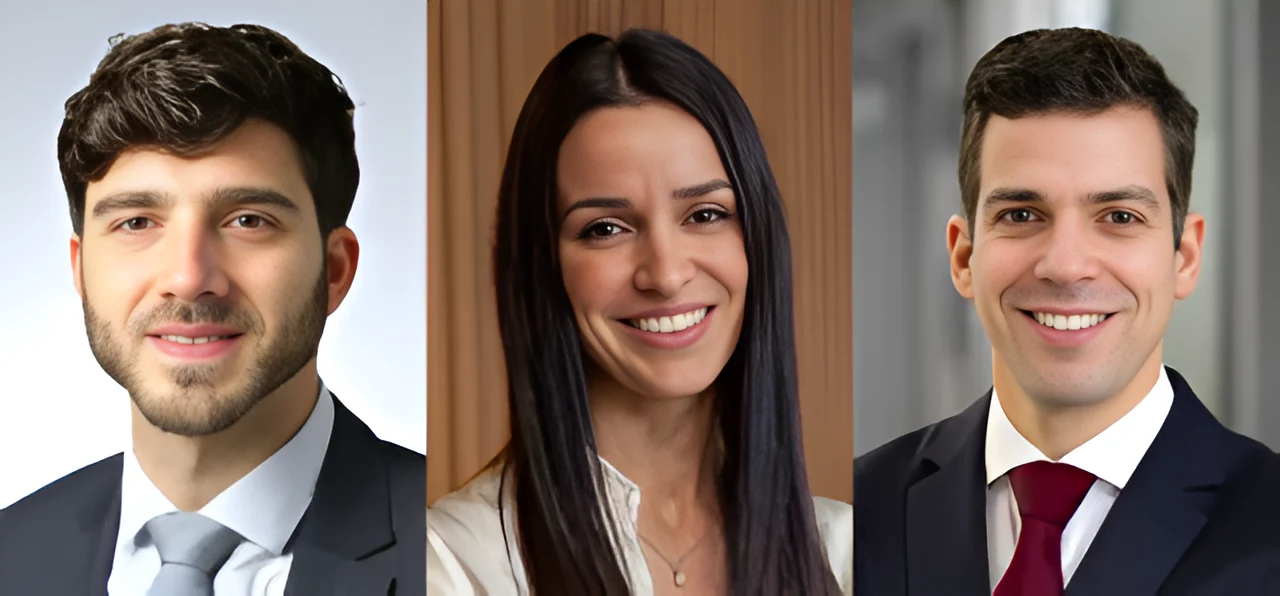
Daniel Lorenzatti: EAT is not Just a Bystander but Also a Great Modifiable Therapeutic Target
Daniel Lorenzatti, Associate Research Scientist at Montefiore Health System and Cardiologist at Hospital Universitari de Vic, shared a post on LinkedIn about a recent article he and his colleagues co-authored:
“Excited to share our latest research published in JACC: Cardiovascular Imaging!
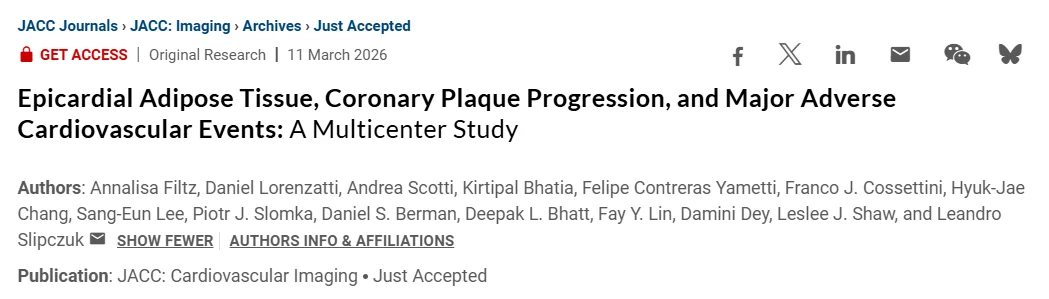
‘Epicardial Adipose Tissue, Coronary Plaque Progression, and Major Adverse Cardiovascular Events: A Multicenter Study’
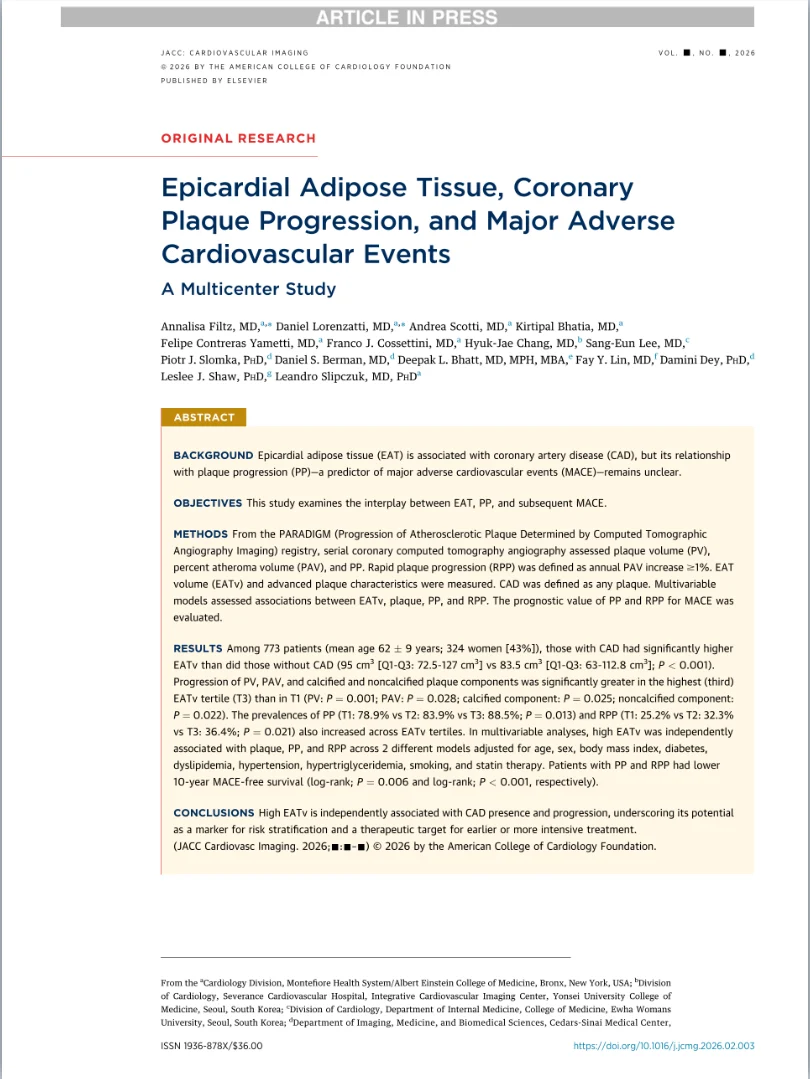
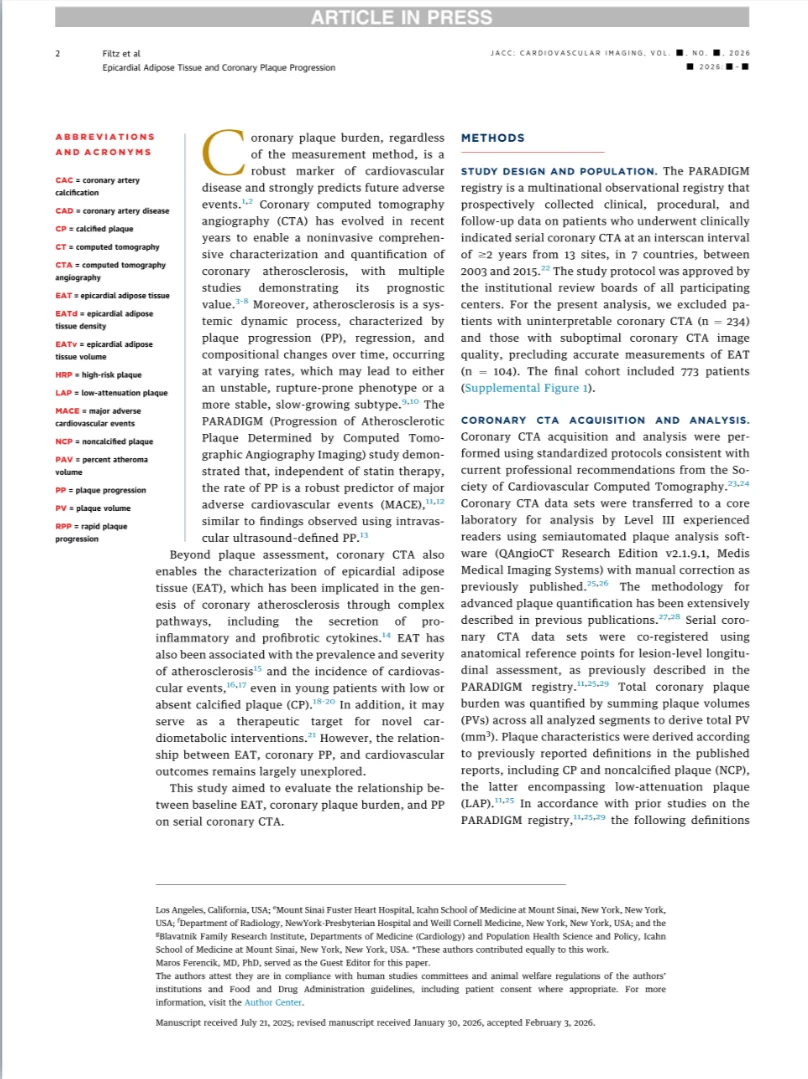
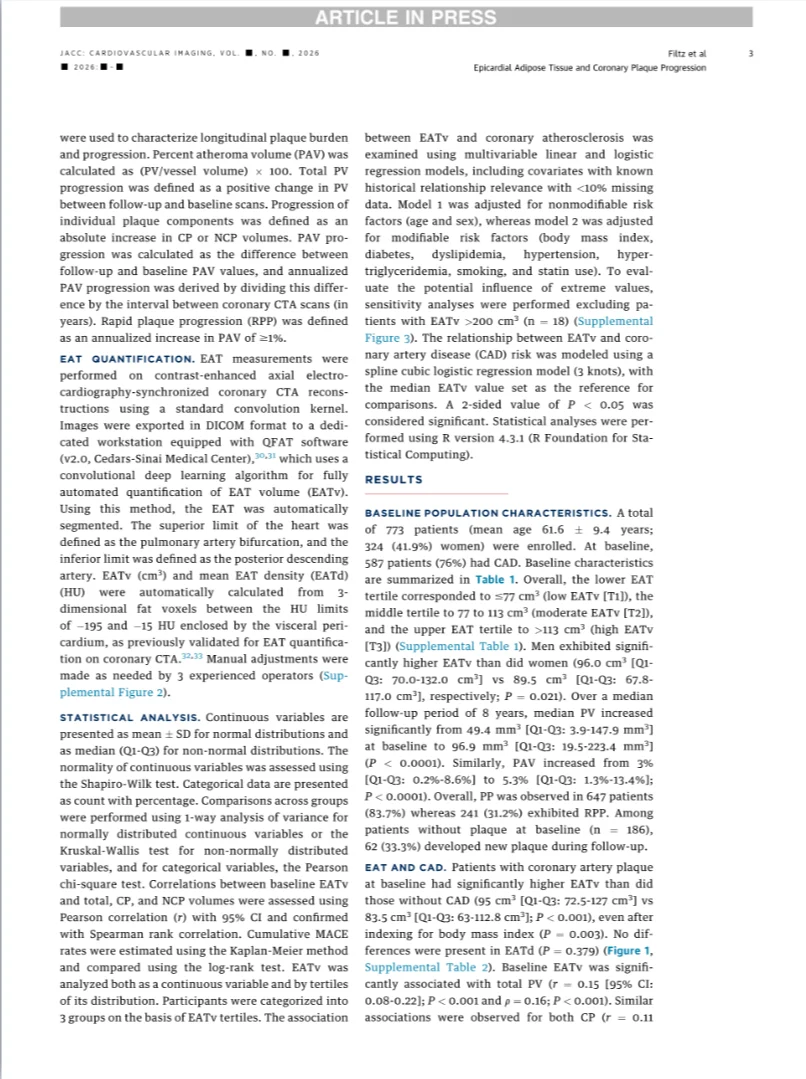
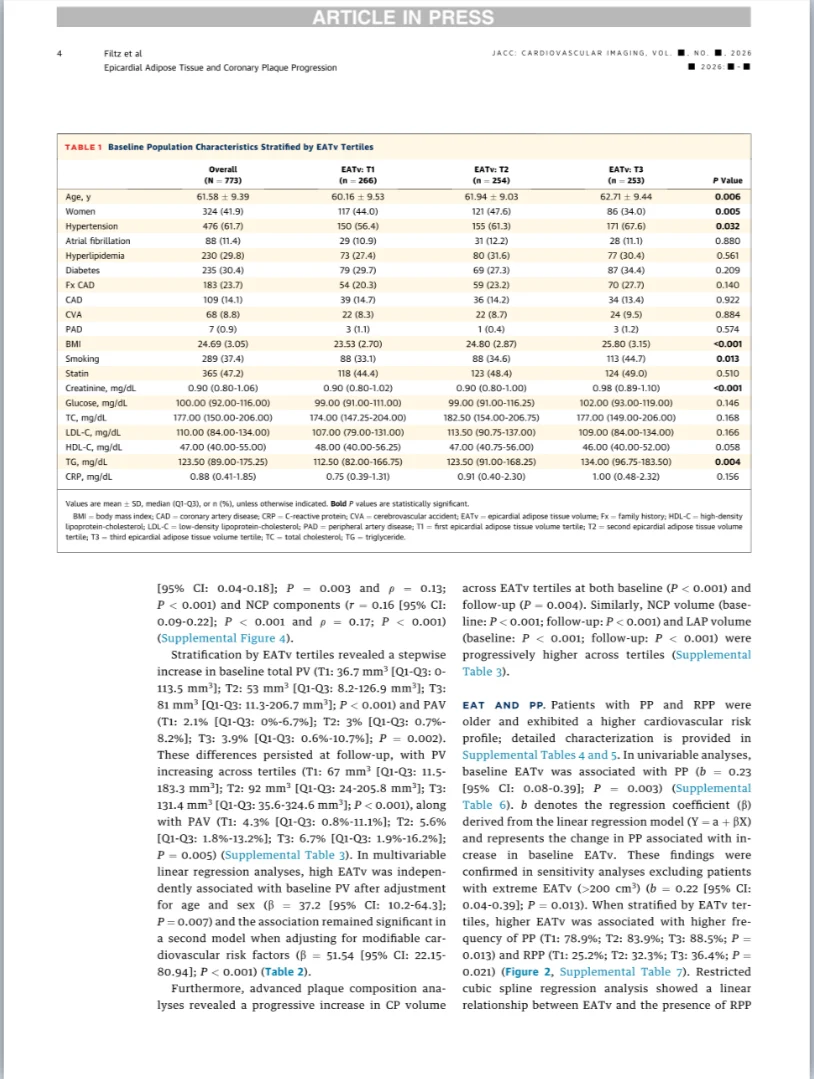
From the PARADIGM (Progression of Atherosclerotic Plaque Determined by Computed Tomographic Angiography Imaging) registry – 773 patients using serial coronary CTA over a median 8-year follow-up.
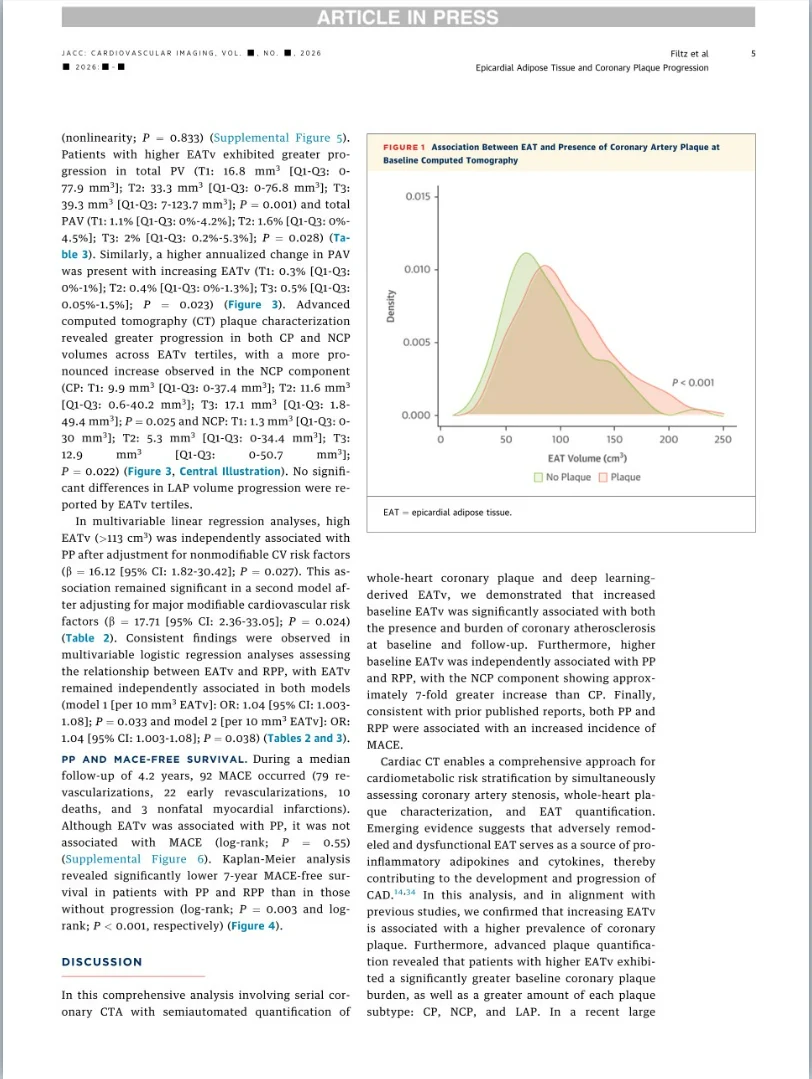
- Higher EAT volume (EATv) is independently associated with CAD.
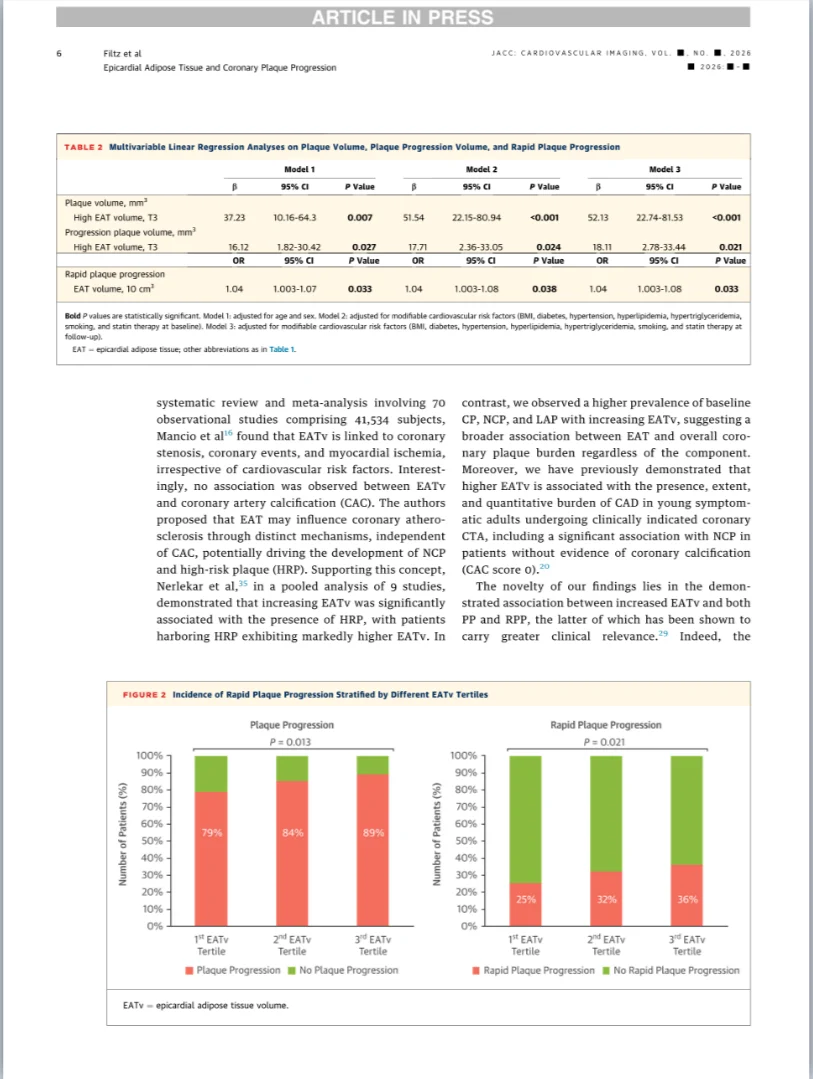
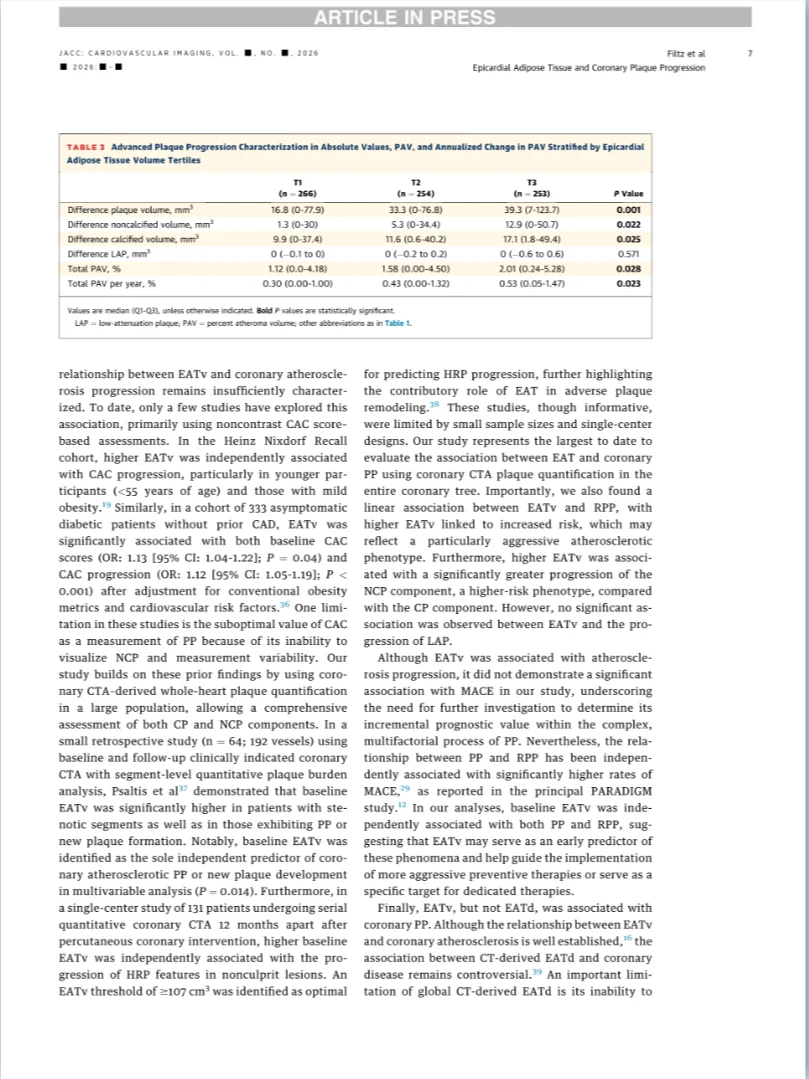
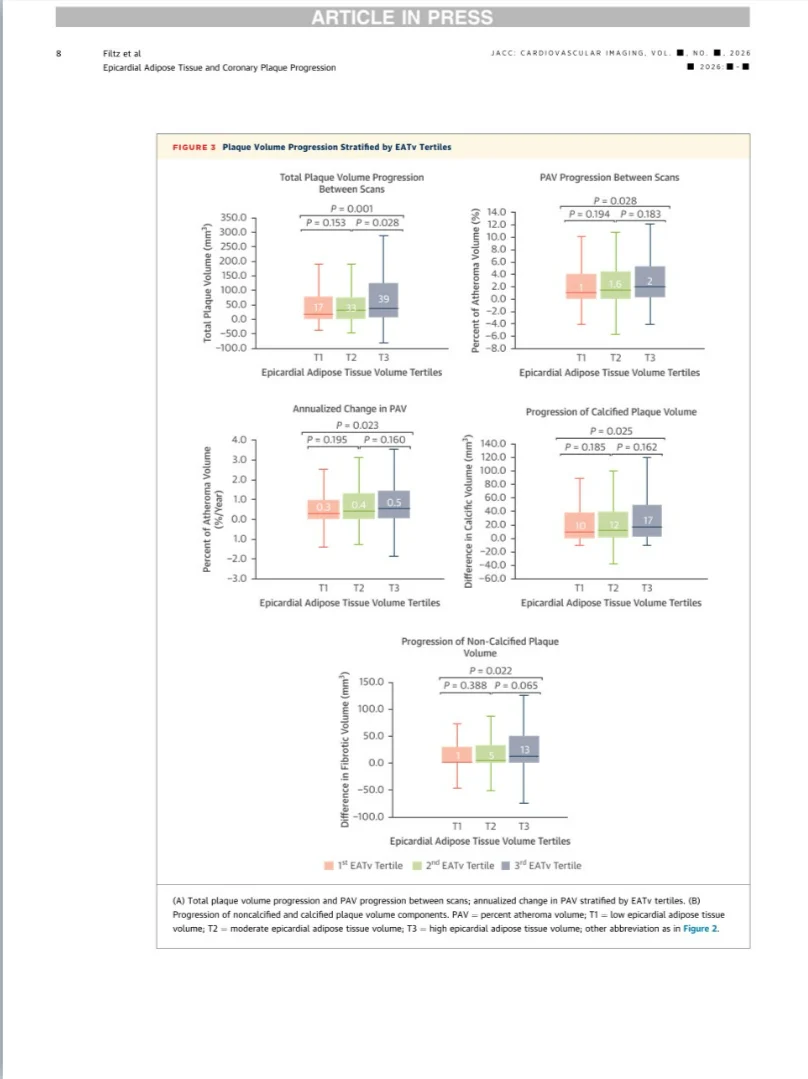
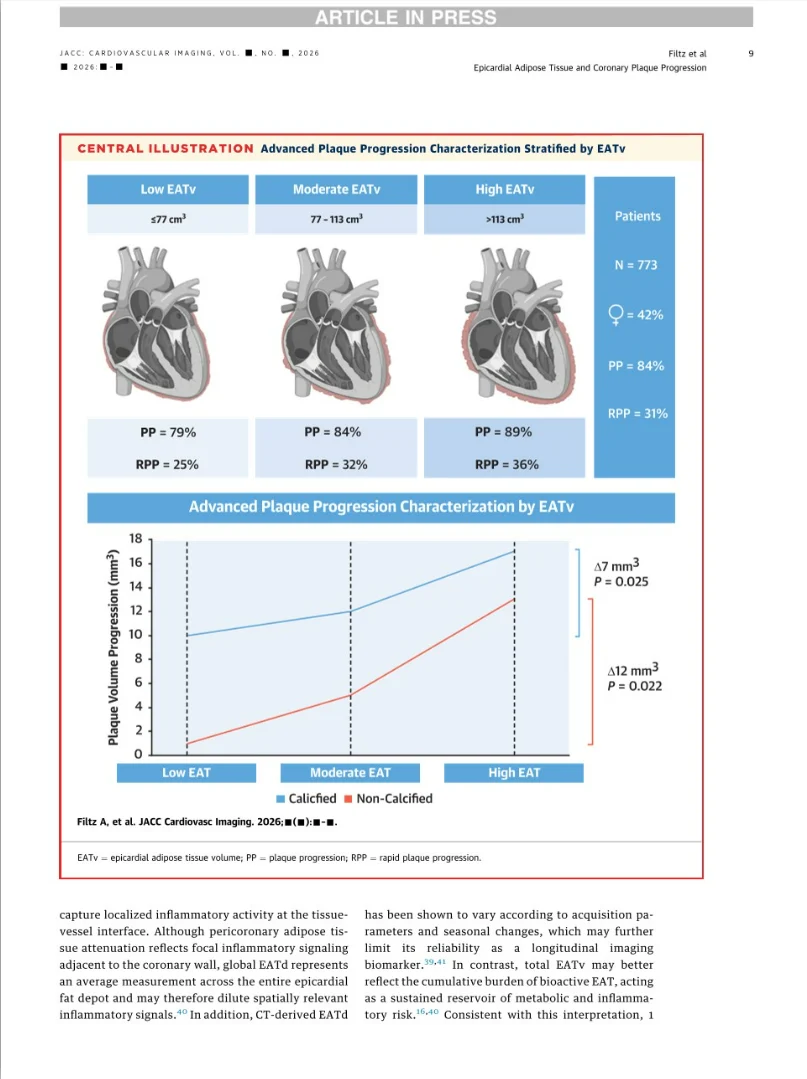
- EATv predicts both plaque progression (PP) and rapid plaque progression (RPP) – independent of traditional CV risk factors
- Noncalcified plaque showed nearly 7 times greater progression in the highest vs. lowest EATv tertile
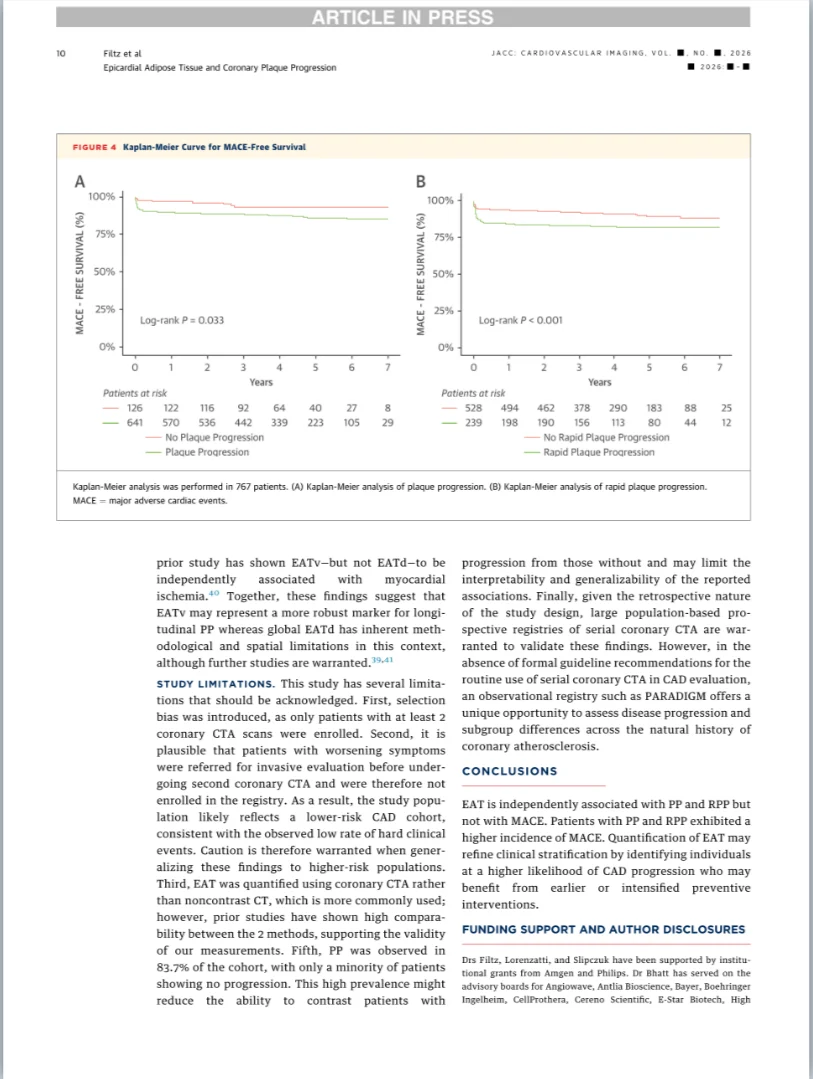
- Patients with PP and RPP had significantly worse 10 – year MACE-free survival (log-rank P equales 0.003 and Pis is lower than 0.001)
EAT quantification – already obtainable from a standard coronary CTA acquisition – can refine risk stratification and identify patients who may benefit from earlier or more intensive preventive therapy.
EAT is not just a bystander; it may be a modifiable therapeutic target.
Proud to work alongside Annalisa Filtz under the guidance of Leandro Slipczuk in this multicenter effort.
Thanks to all the co – authors and specially to the Montefiore Health System incredible team!”
Title: Epicardial Adipose Tissue, Coronary Plaque Progression, and Major Adverse Cardiovascular Events: A Multicenter Study
Authors: Annalisa Filtz, Daniel Lorenzatti, Andrea Scotti, Kirtipal Bhatia, Felipe Contreras Yametti, Franco J. Cossettini, Hyuk-Jae Chang, Sang-Eun Lee, Piotr J. Slomka, Daniel S. Berman, Deepak L. Bhatt, Fay Y. Lin, Damini Dey, Leslee J. Shaw, Leandro Slipczuk
Read Full Article on JACC
Stay updated on Hemostasis Today.
-
Sep 25, 2026, 12:43Thomas Dayspring: Reshaping the Biology of Atherosclerotic Plaques with New Therapies
-
Sep 25, 2026, 12:14Garima Sharma: Community Clinical Linkages for Better Postpartum Cardiovascular Care
-
Sep 25, 2026, 10:49Shefina S: From Presenting to Hosting at TRANSCON 2026
-
Sep 25, 2026, 10:37Michelle Leona Cecil: Hemophilia Advocacy and the Power of Community
-
Sep 25, 2026, 10:13Michael Baria: Platelet Concentration and PRP Outcomes in Partial Rotator Cuff Tears
-
Sep 25, 2026, 09:49Haley Coleman: Volunteering to Support Hemophilia Awareness
-
Sep 25, 2026, 08:55Hitarth Mehta: BHMS Students Gain Practical Exposure to Haemophilia Diagnosis
-
Sep 25, 2026, 07:25Varun Capoor: How Therapeutic Apheresis and Transfusion Medicine Can Complement Clinical Management in SCD
-
Sep 25, 2026, 07:14Manshi Kesharwani: SAK-GQDs Modulate Thrombus Burden and Endothelial Function in Deep Vein Thrombosis