


The Rich Heterogeneity of Platelets and Its Vital Shifts Across Disease States – RPTH
Research and Practice in Thrombosis and Haemostasis (RPTH) shared a post on LinkedIn about a recent article by Deepa Gautam, adding:
“Are all platelets the same?
Or are we missing critical biology hiding in plain sight?
We still rely on platelet count and MPV in both research and the clinic.
But this study shows that platelets are far from uniform and that heterogeneity systematically shifts across disease states.
Here’s what this paper delivers.
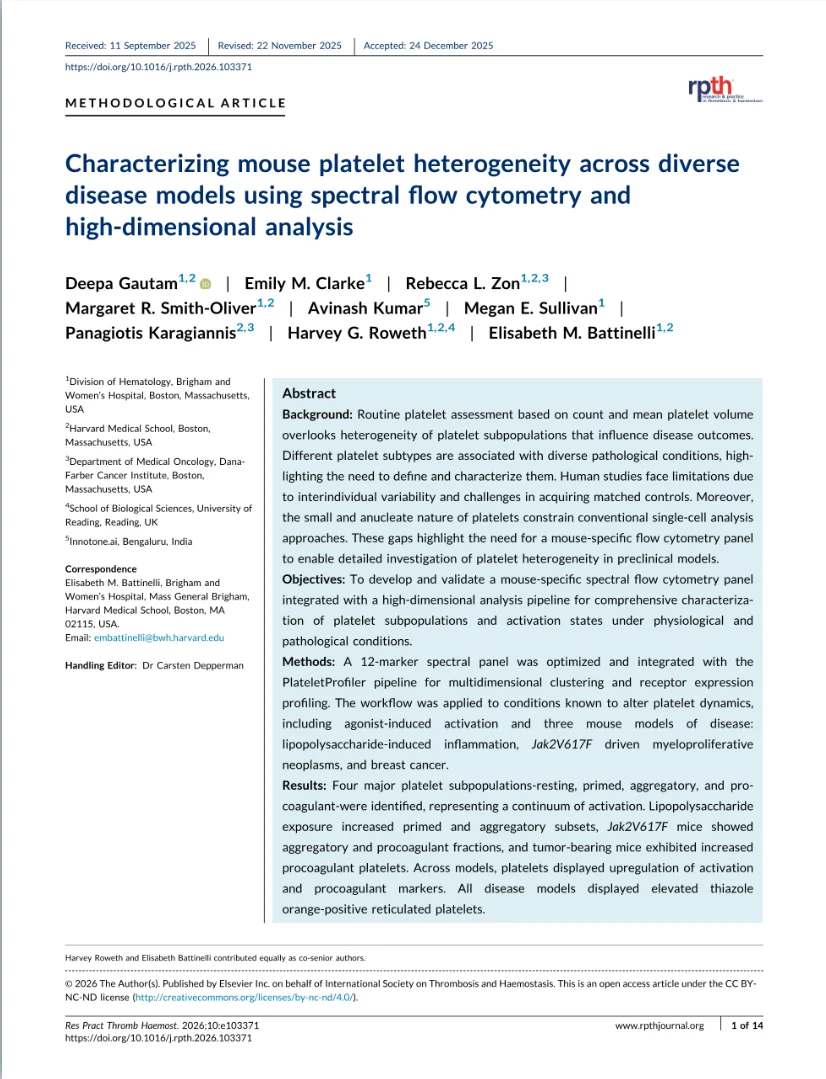
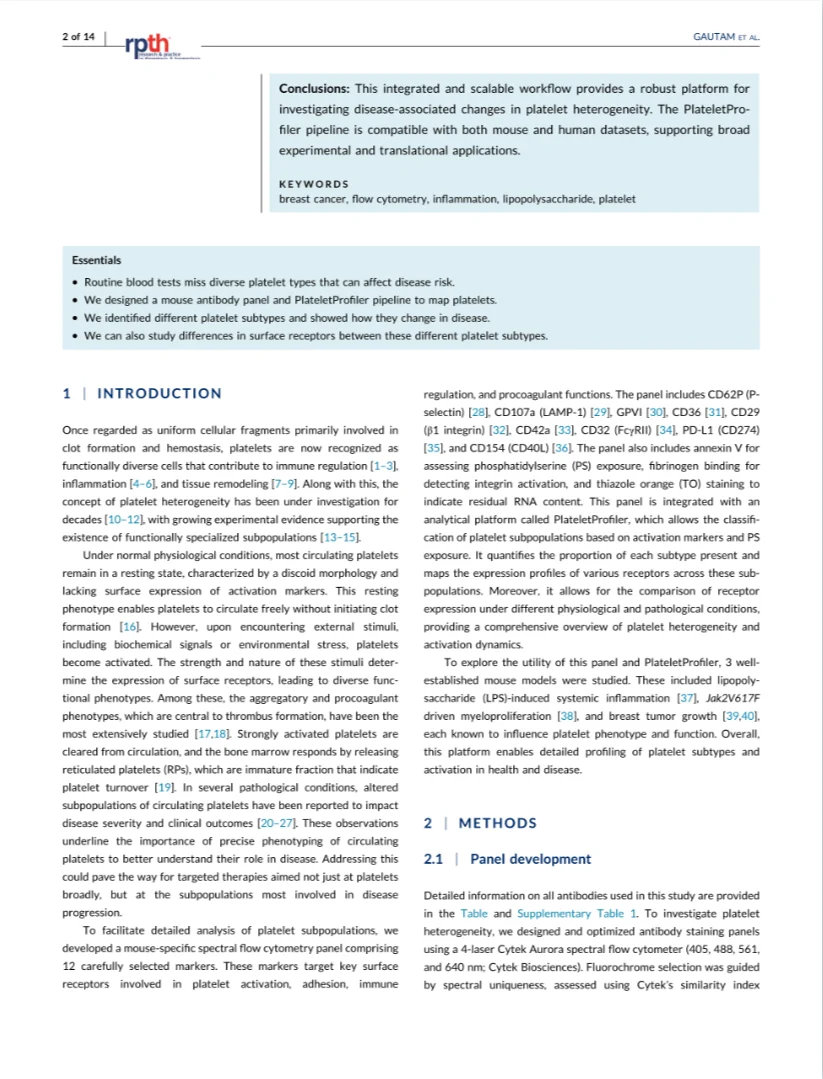
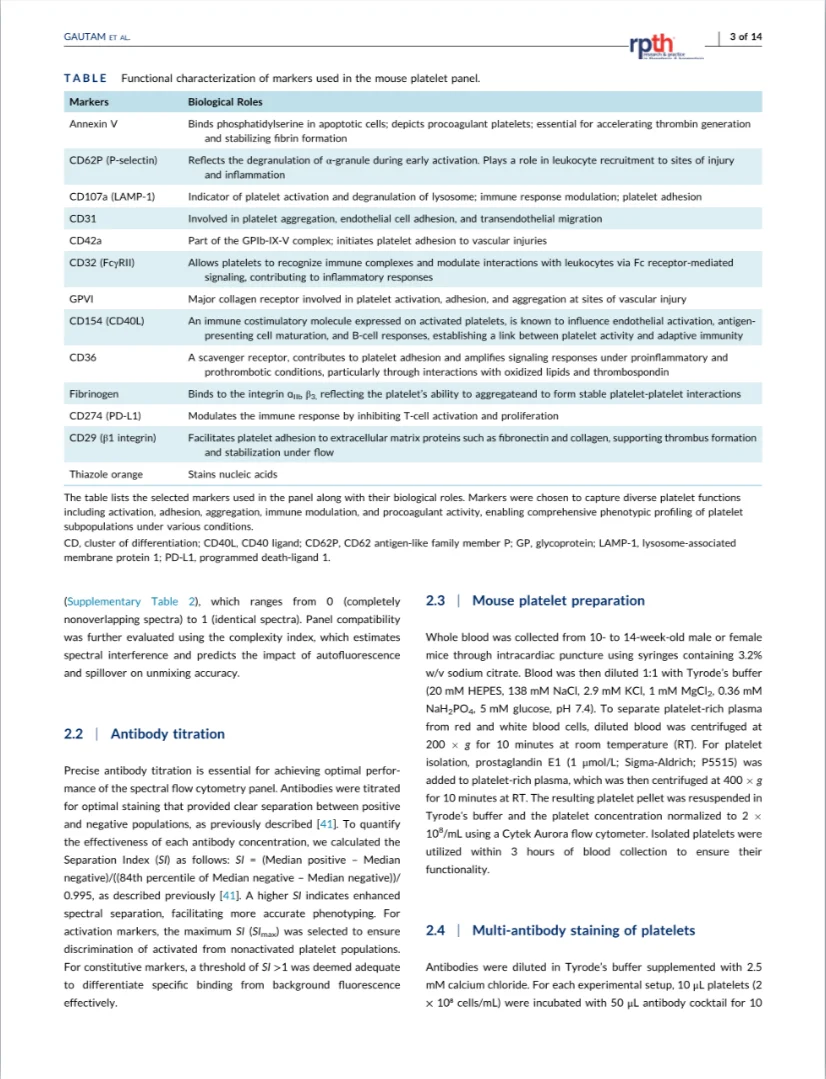
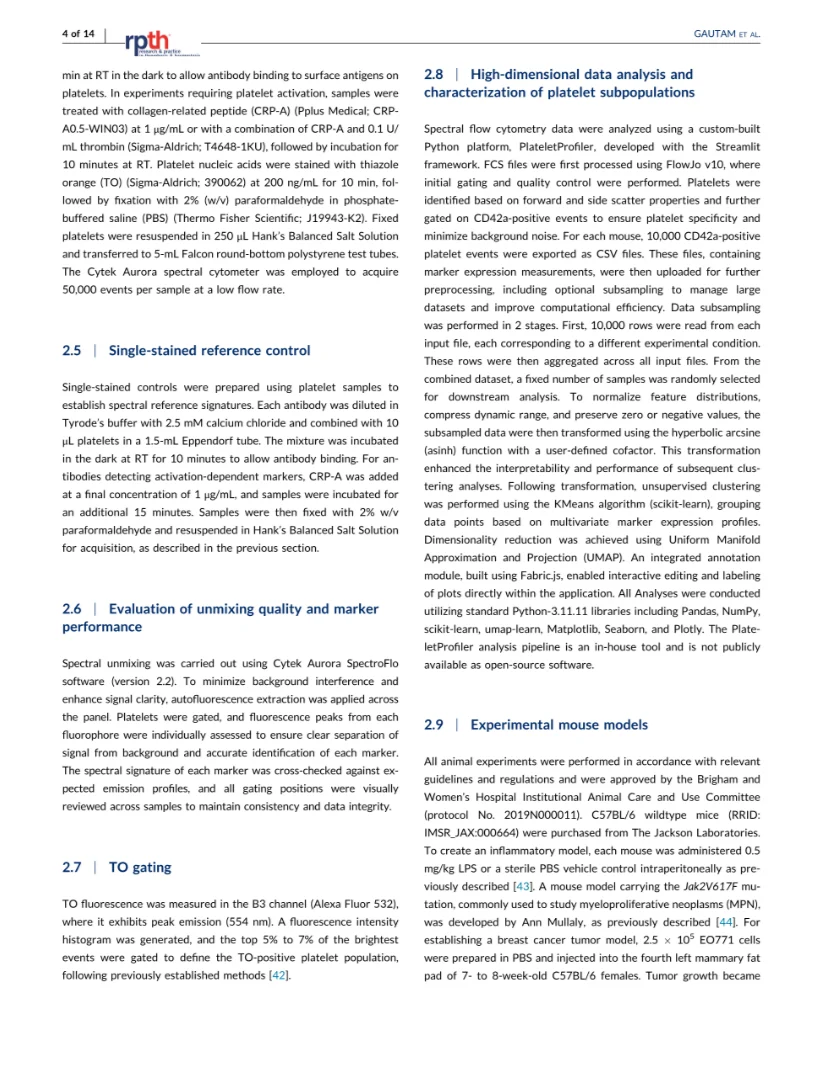
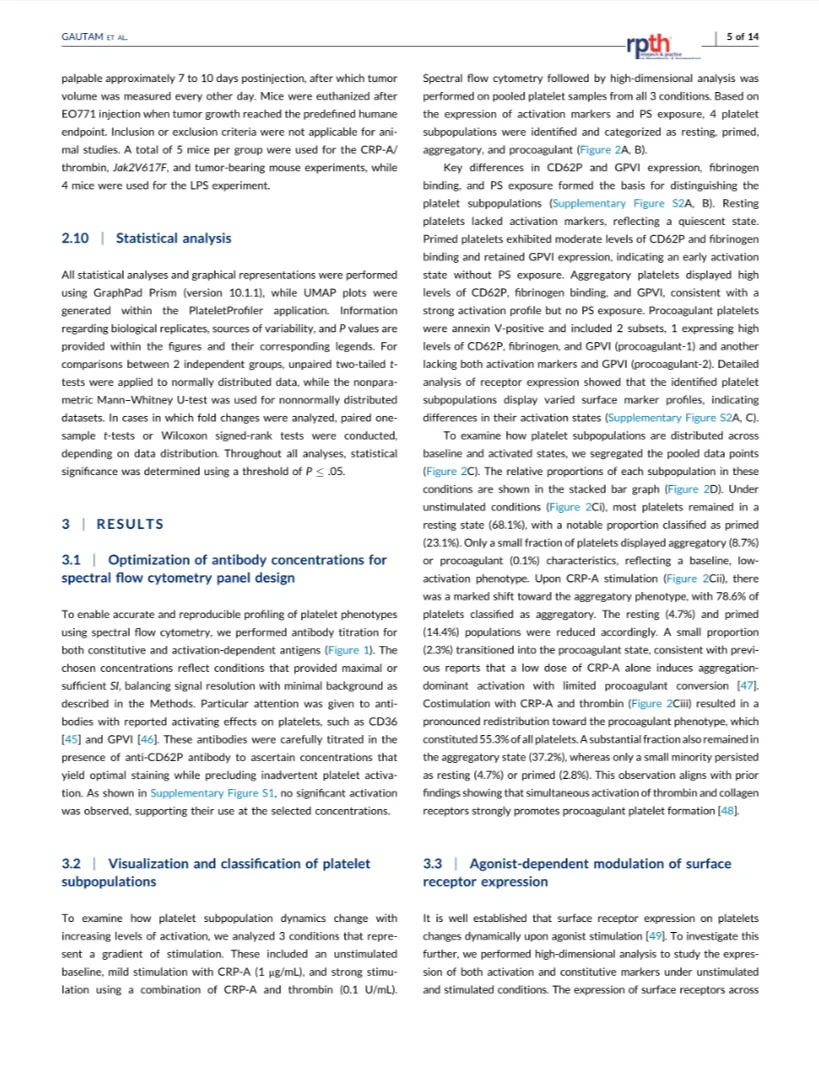
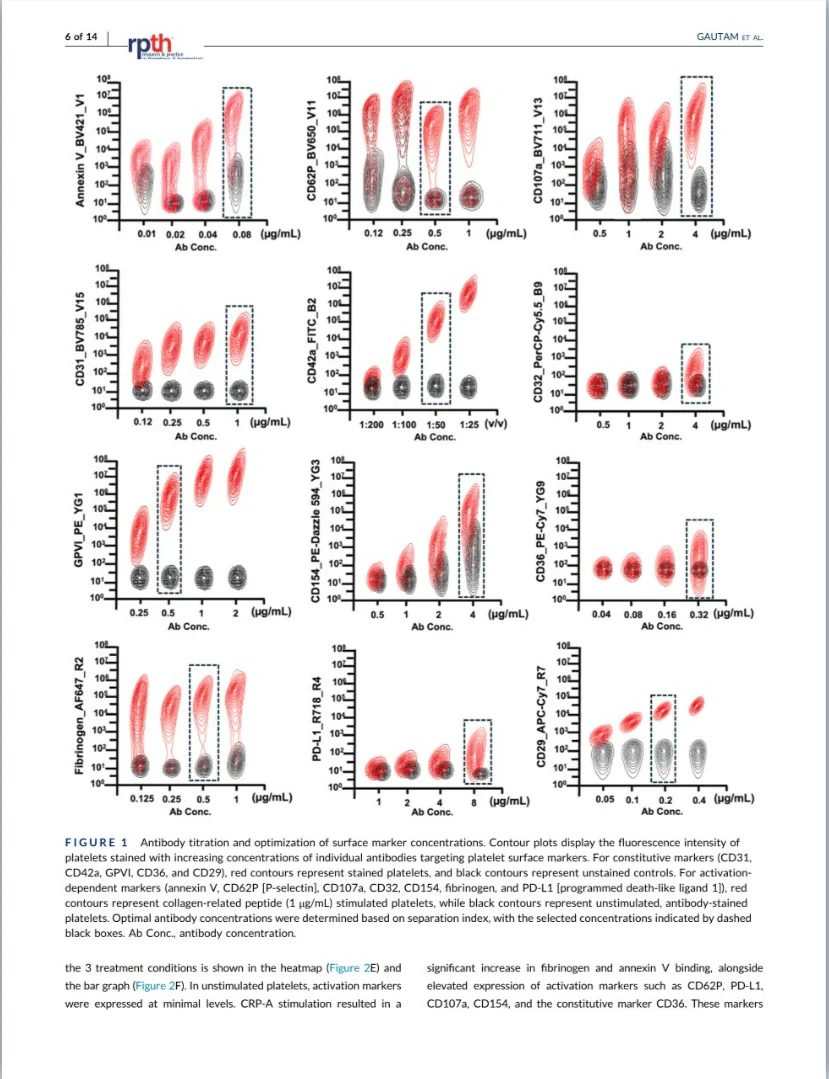
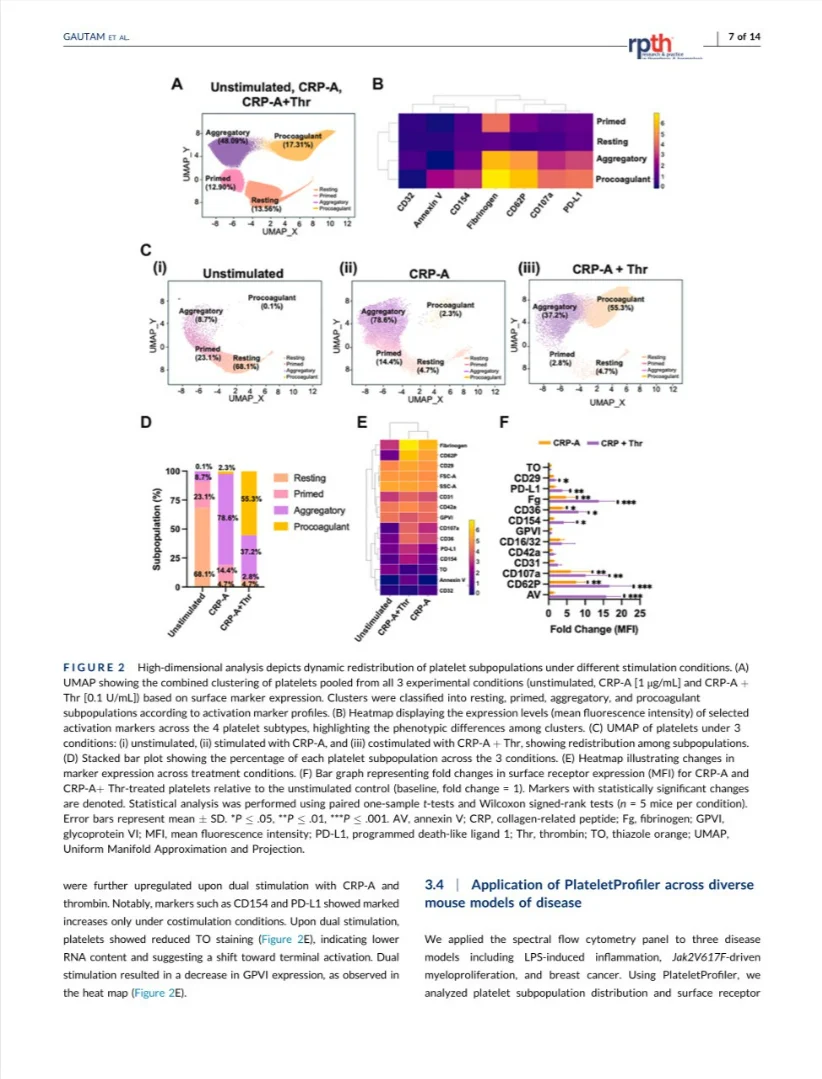
Using a 12-marker spectral flow cytometry panel pus high – dimensional clustering (PlateletProfiler), the authors map platelet states at single – cell resolution.
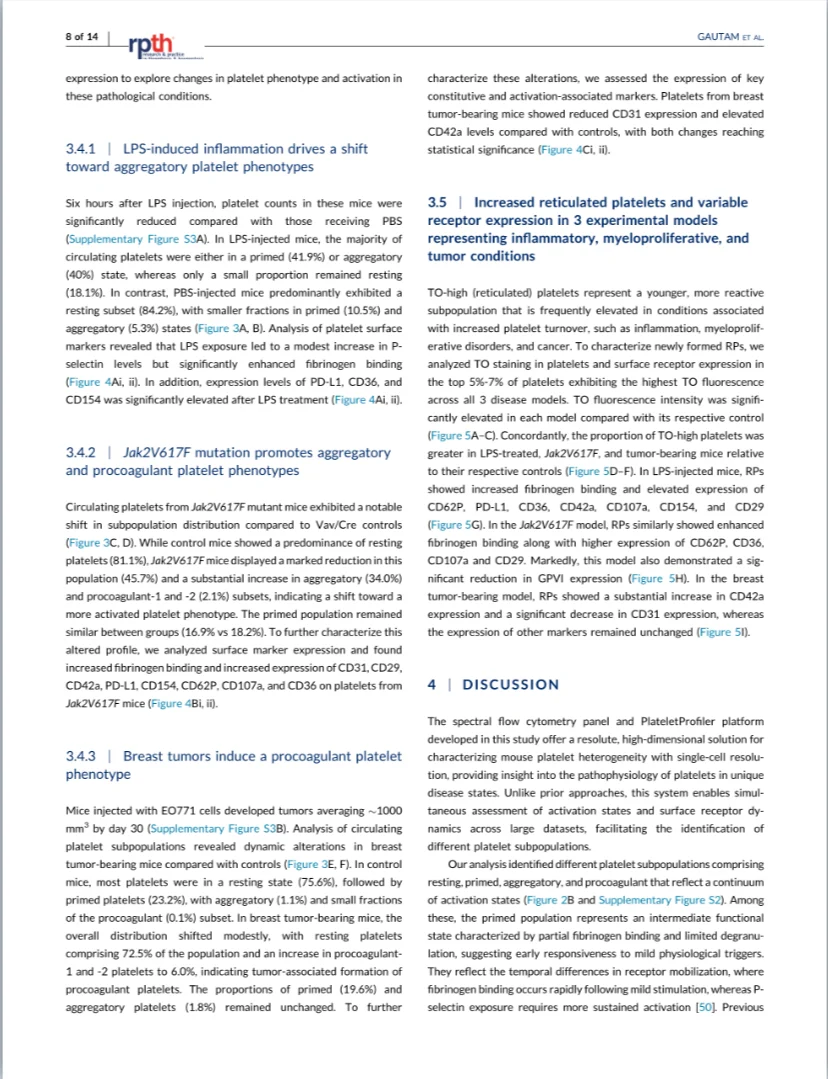
Platelets exist along an activation continuum, not just ‘resting vs activated’:
- Resting
- Primed
- Aggregatory
- Procoagulant
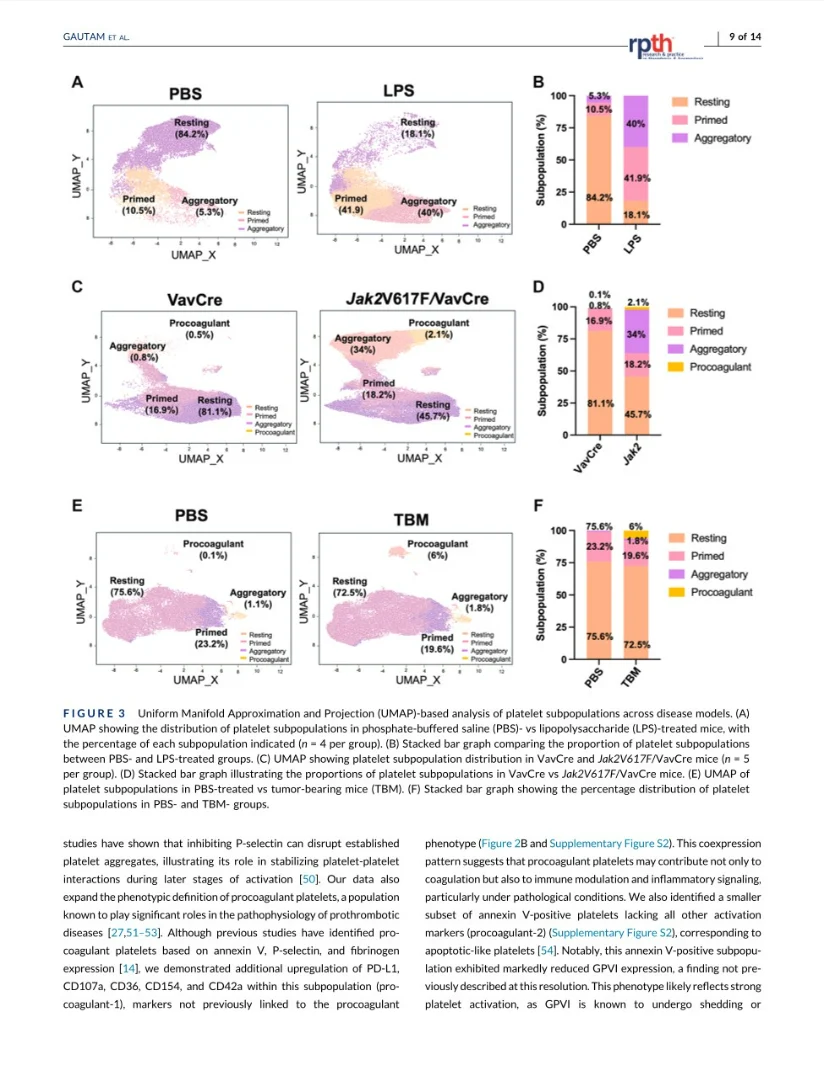
Disease reshapes platelet composition across models:
- Inflammation (LPS) – expansion of primed plus aggregatory platelets
- Jak2V617F (MPN) – increase in aggregatory plus procoagulant platelets
- Cancer – enrichment of procoagulant platelets
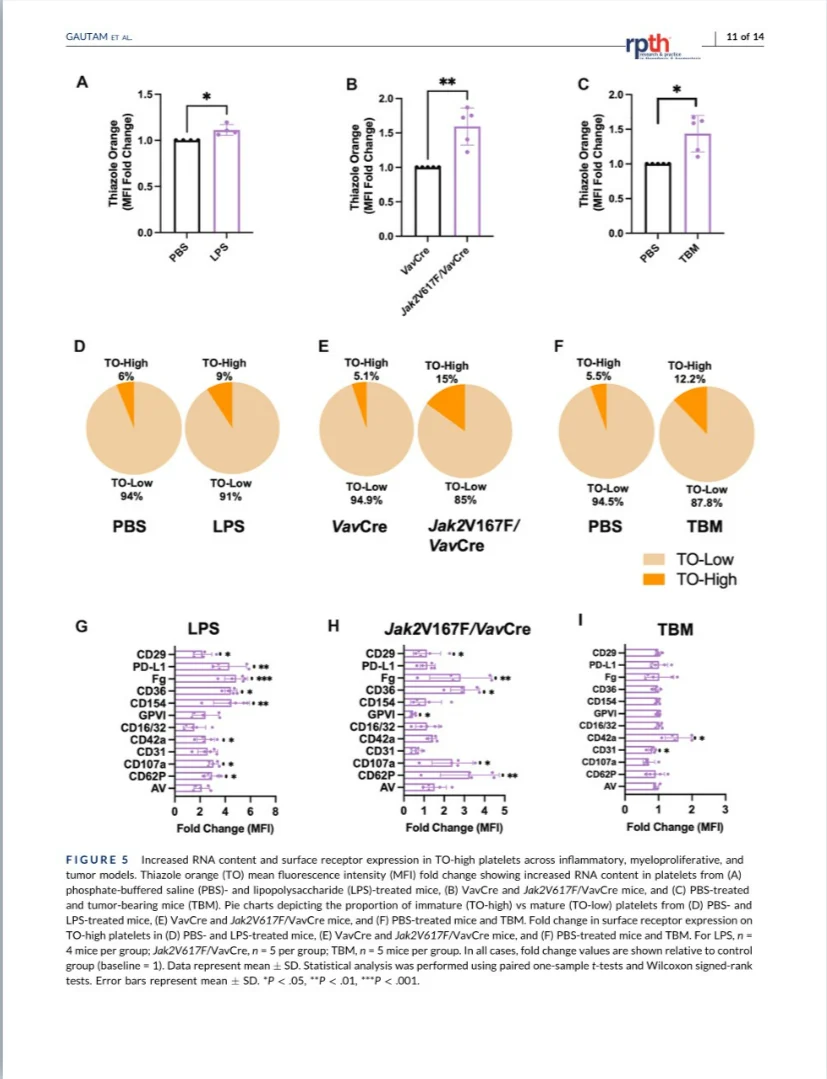
Key mechanistic signal, all models showed:
- Increased reticulated (young) platelets
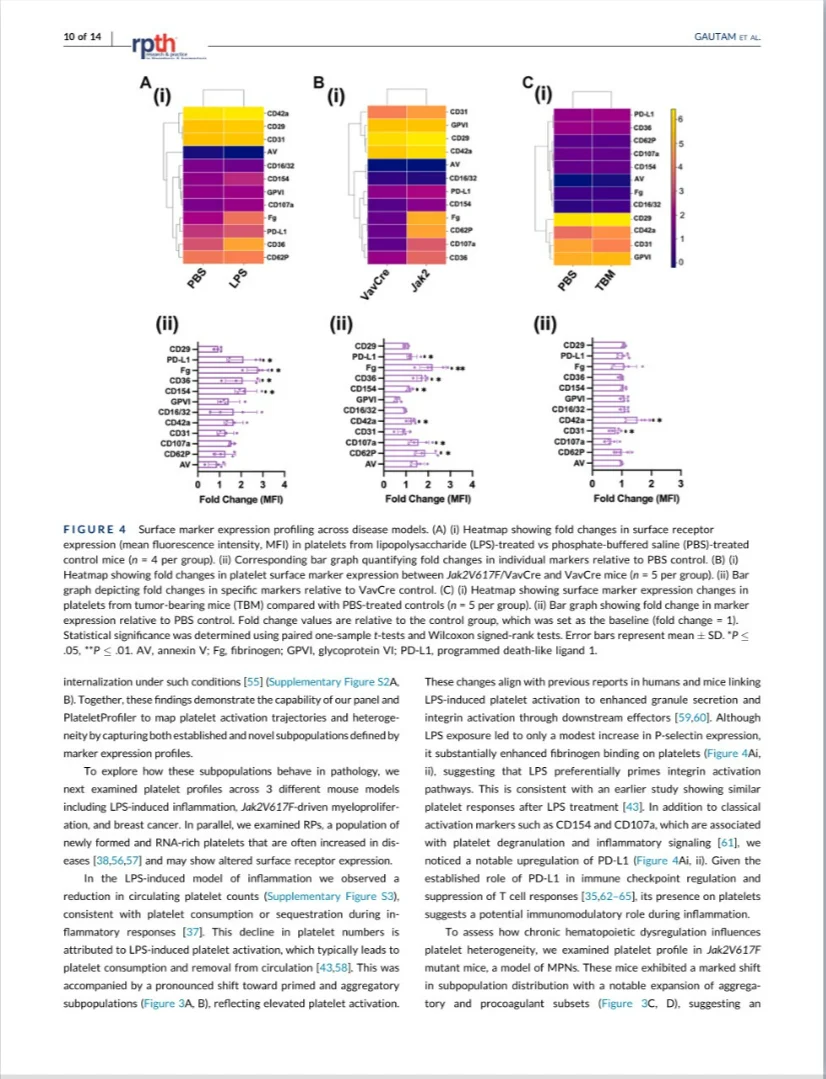
- Upregulation of activation plus immune markers (e.g., PD-L1, CD154)
This suggests:
- Accelerated thrombopoiesis
- Functionally ‘pre-activated’ circulating platelets
- A link between platelet biology and immune modulation
Why this matters
We’ve been treating platelets as a homogeneous population.
This framework opens the door to:
- Subpopulation-specific biomarkers
- More precise antiplatelet strategies
- Better mechanistic links between platelets, inflammation, and cancer”
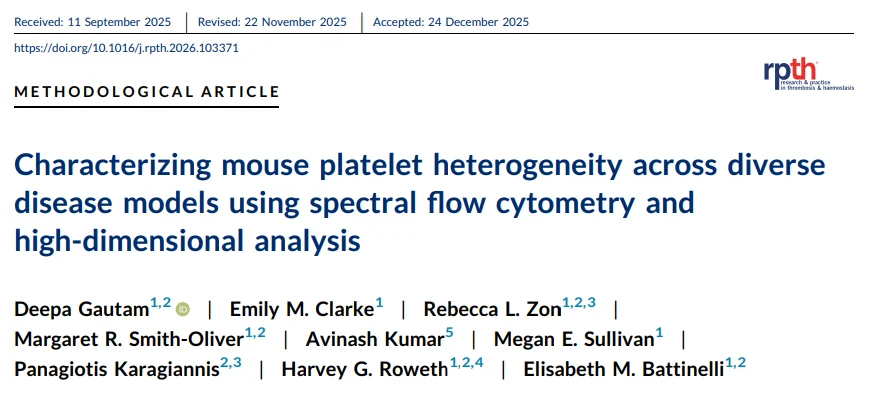
Title: Characterizing mouse platelet heterogeneity across diverse disease models using spectral flow cytometry and high-dimensional analysis
Authors: Deepa Gautam, Emily M. Clarke, Rebecca L. Zon, Margaret R. Smith-Oliver, Avinash Kumar 5, Megan E. Sullivan, Panagiotis Karagiannis, Harvey G. Roweth, Elisabeth Battinelli
Read the Full Article on RPTH
Stay updated on all scientific advances with Hemostasis Today.
-
Sep 25, 2026, 07:25Varun Capoor: How Therapeutic Apheresis and Transfusion Medicine Can Complement Clinical Management in SCD
-
Sep 25, 2026, 07:14Manshi Kesharwani: SAK-GQDs Modulate Thrombus Burden and Endothelial Function in Deep Vein Thrombosis
-
Sep 25, 2026, 06:20Farjah Hassan Algahtani: How Can We Better Identify Patients at Risk of Blood Clots after Metabolic and Bariatric Surgery?
-
Sep 25, 2026, 05:59Carla Lewis: Kids Conquering Sickle Disease Joins Nemours Children’s Hospital for 2nd Annual Awareness Event
-
Sep 25, 2026, 05:47Omid Seidizadeh: Evolutionary Constraint and Population Variation Across Coagulation Genes
-
Sep 25, 2026, 05:40Gerald Bertrand: Presenting UMi-NGS Non-Invasive Foetal HPA Genotyping at DGTI 2026
-
Sep 25, 2026, 05:33Urge Congress to support the Sickle Cell Disease Comprehensive Care Act – ASH
-
Sep 25, 2026, 05:24Isabelle Mahé: Reduced-Dose Apixaban in Extended CAT Treatment
-
Sep 25, 2026, 05:15Maria Cherska: High Cholesterol Isn’t Always Diet or Lifestyle – Sometimes It’s Genetic