


Francisco Chacón-Lozsán: Insights on Intermediate High Risk Pulmonary Embolism from ACVC 2026
Francisco Chacón-Lozsán, Fellow at World Extreme Medicine, Member of European Society of Intensive Care Medicine (ESICM) and American College of Cardiology, shared on LinkedIn:
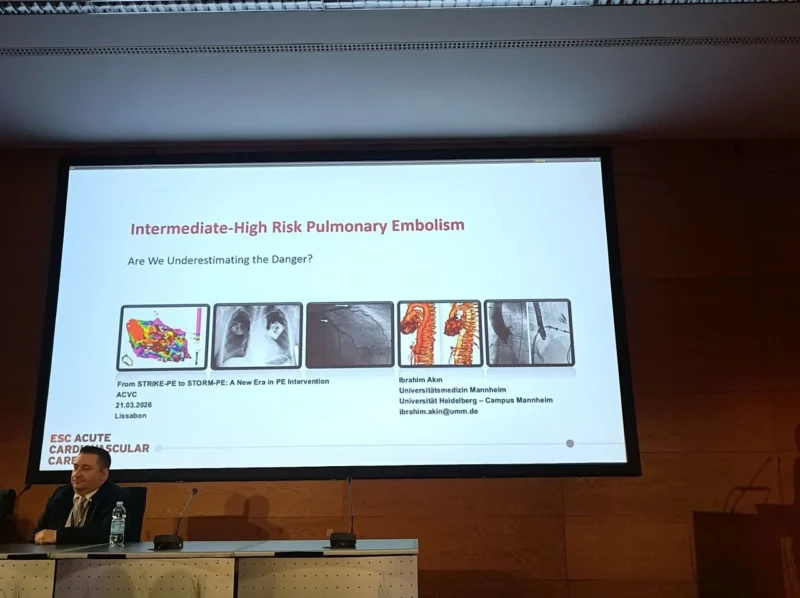
”ACVC 2026 | Intermediate High Risk Pulmonary Embolism: Are we underestimating the danger.
At ACVC26, an important question was raised:
- Are intermediate high risk PE patients more unstable than we think
- The hidden risk in intermediate high risk PE
- Intermediate high risk PE is not benign.
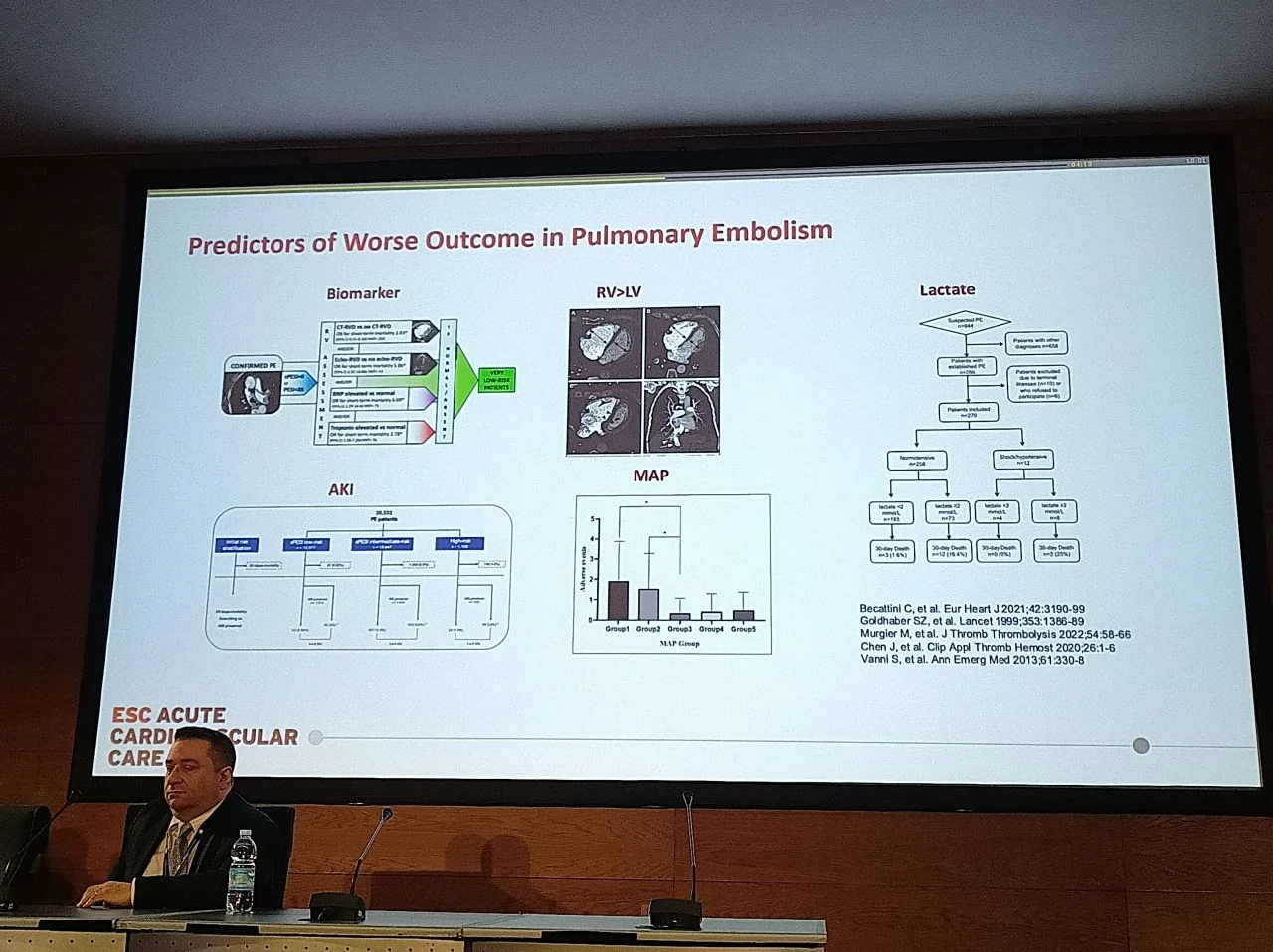
Key determinants of worse outcome include:
- Right ventricular dysfunction RV greater than LV
- Elevated biomarkers
- Increased lactate levels
- Acute kidney injury
- Mean arterial pressure trends
These parameters identify patients closer to hemodynamic collapse than previously assumed
Lessons from PEITHO trial
In intermediate risk PE:
- Reduction in hemodynamic decompensation with thrombolysis
- No significant mortality reduction
- Increased major bleeding and intracranial hemorrhage
Clinical benefit is offset by safety concerns
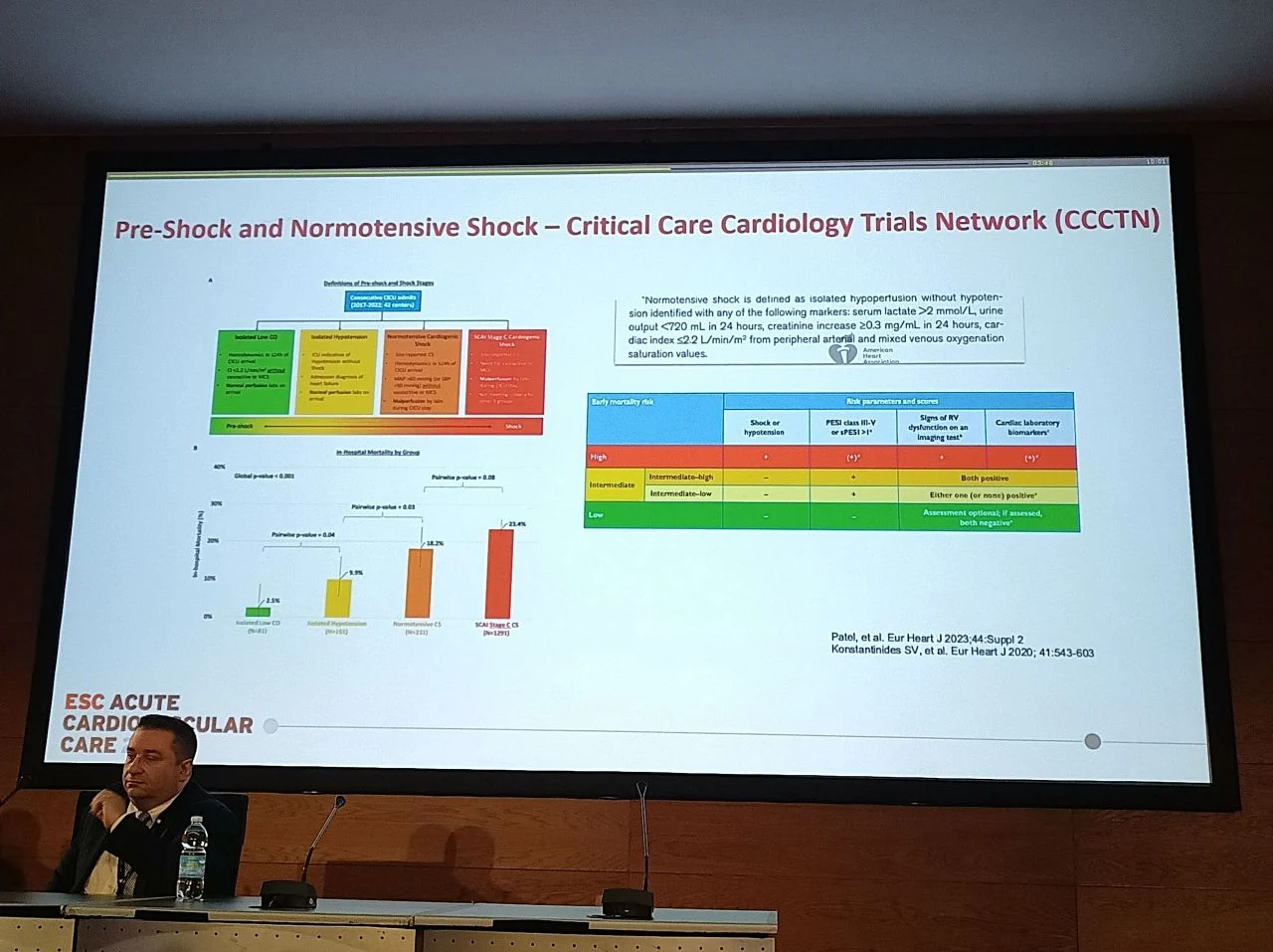
Normotensive shock concept
A critical concept highlighted:
Shock without hypotension
Defined by:
- Elevated lactate
- Reduced urine output
- Worsening renal function
- Impaired tissue perfusion
These patients may appear stable but carry high mortality risk
Risk stratification beyond classical models
Additional tools improve identification of high risk patients:
- Critical Care Cardiology Trials Network classification
- Composite Pulmonary Embolism Shock Score CPES
Higher CPES scores:
- Associated with increased adverse outcomes
- Predict progression toward shock.
Clinical implication
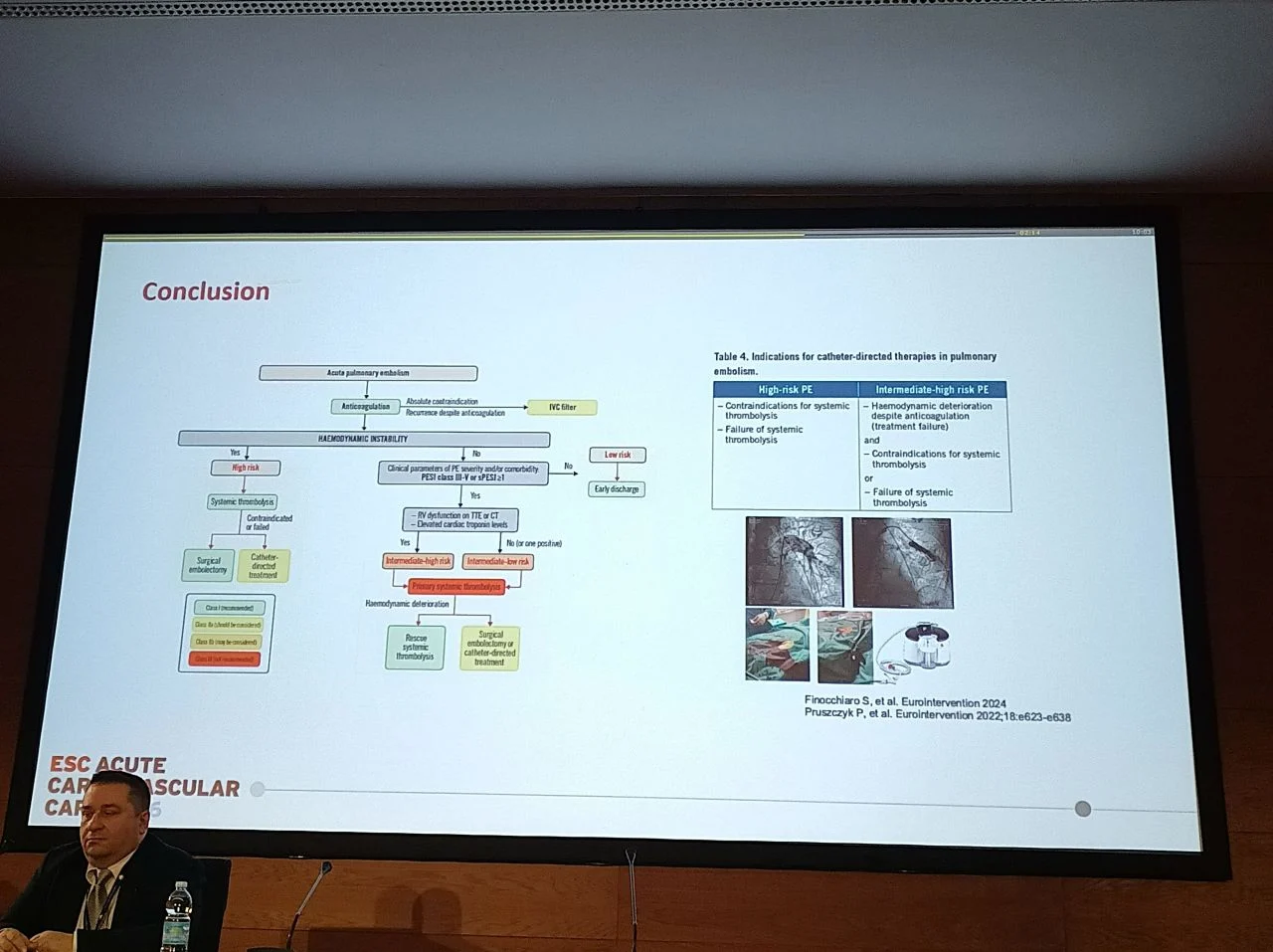
Intermediate high risk PE requires:
- Early identification of deterioration signals
- Integration of imaging, biomarkers, and perfusion markers
- Recognition of normotensive shock.
A shift from static to dynamic risk assessment.
Take home message
Intermediate high risk PE is a dynamic and potentially unstable condition.
- Not all normotensive patients are low risk
- Early signs of hypoperfusion matter
- Risk scores and physiology must guide decisions.
We may indeed be underestimating the danger.”
Stay updated with Hemostasis Today.
-
Sep 29, 2026, 03:53Nahrwan Masaoodi: Iron Deficiency Can Exist Without Anemia
-
Sep 29, 2026, 03:38Muhammad Yousaf: Iron Deficiency Beyond Diet
-
Sep 29, 2026, 03:21Parvez Ahmed Chowdhury: Synthesizing Aspirin in the Organic Chemistry Lab
-
Sep 29, 2026, 03:12Ahmed Hamandi: Building the Future of Hematopoietic Transplantation in Iraq
-
Sep 29, 2026, 03:09M V Chandrakanth: Aspirin in CRC – Old Drug, New Precision Oncology?
-
Sep 29, 2026, 03:07Caroline Pothet: Advancing Treatment Development in Sickle Cell Disease and Thalassaemia
-
Sep 29, 2026, 02:53Astha Jain: Thalassemia Care Through a Public Health Lens
-
Sep 29, 2026, 02:50Emma Groarke: Starting a New Career Path in Homeland
-
Sep 28, 2026, 19:14Aditya Sharma: An Outstanding Start to the Final Day of VSS 2026!