


Anthony Yazbeck: Why the Hemolysin Test Matters More Than You Think
Anthony Yazbeck, Application Specialist at Atom Medical-Dora, shared a post on LinkedIn:
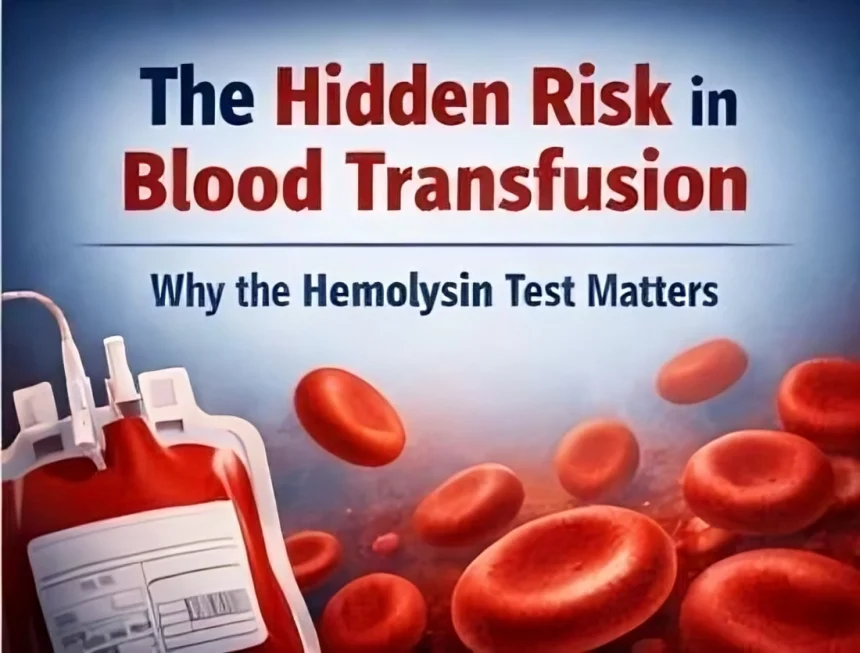
”Why the Hemolysin Test Matters More Than You Think
In transfusion medicine, compatibility goes beyond ABO typing — and this is where the hemolysin test becomes critical.
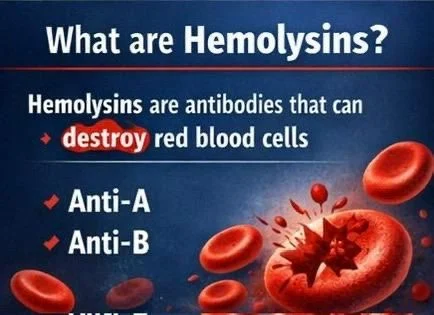
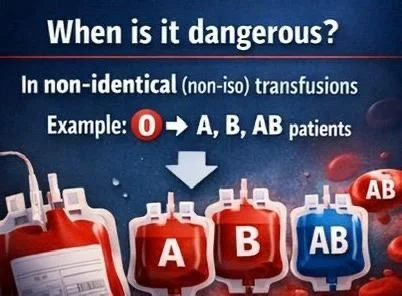
Hemolysins are antibodies capable of destroying red blood cells, particularly anti-A and anti-B, which play a major role in non-identical (non-iso) group transfusions.
Why does this matter?
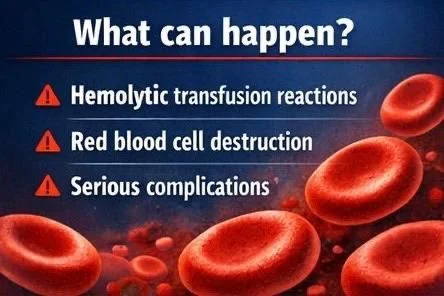
In group O donors, plasma may contain anti-A and anti-B antibodies. When transfused into A, B, or AB recipients, these antibodies can attack the recipient’s red blood cells, leading to hemolytic transfusion reactions.
While antibody titration is often used to assess risk, it only measures the quantity of antibodies — not their ability to cause damage.
The real clinical concern lies in hemolysins: antibodies that can actively activate complement and destroy red blood cells.
This is why hemolysin testing is essential:
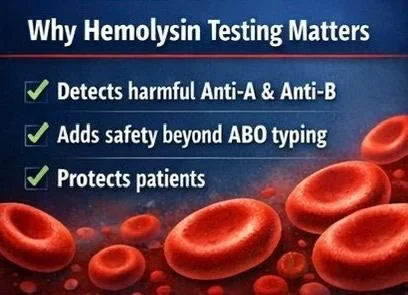
- Detects clinically significant anti-A and anti-B hemolysins
- Adds functional insight beyond antibody titers
- Reduces risk in non-iso group transfusions
- Strengthens donor selection and blood safety
In resource-limited settings, overlooking this step can increase transfusion risks. Strengthening awareness and implementation of hemolysin screening can make a life-saving difference.
Safe blood isn’t just about how much antibody is present — but what it can do.”
Stay updated withHemostasis Today.
-
Sep 25, 2026, 12:53Bastu Odoka: What Happened to Blood Donation?
-
Sep 25, 2026, 12:43Thomas Dayspring: Reshaping the Biology of Atherosclerotic Plaques with New Therapies
-
Sep 25, 2026, 12:14Garima Sharma: Community Clinical Linkages for Better Postpartum Cardiovascular Care
-
Sep 25, 2026, 10:49Shefina S: From Presenting to Hosting at TRANSCON 2026
-
Sep 25, 2026, 10:37Michelle Leona Cecil: Hemophilia Advocacy and the Power of Community
-
Sep 25, 2026, 10:13Michael Baria: Platelet Concentration and PRP Outcomes in Partial Rotator Cuff Tears
-
Sep 25, 2026, 09:49Haley Coleman: Volunteering to Support Hemophilia Awareness
-
Sep 25, 2026, 08:55Hitarth Mehta: BHMS Students Gain Practical Exposure to Haemophilia Diagnosis
-
Sep 25, 2026, 07:25Varun Capoor: How Therapeutic Apheresis and Transfusion Medicine Can Complement Clinical Management in SCD