


Mahesan Subramaniam: How Intimacy Supports Immunity Mood and Heart Health
Mahesan Subramaniam, Co-Founder of United Health Tourism, shared a post on LinkedIn:
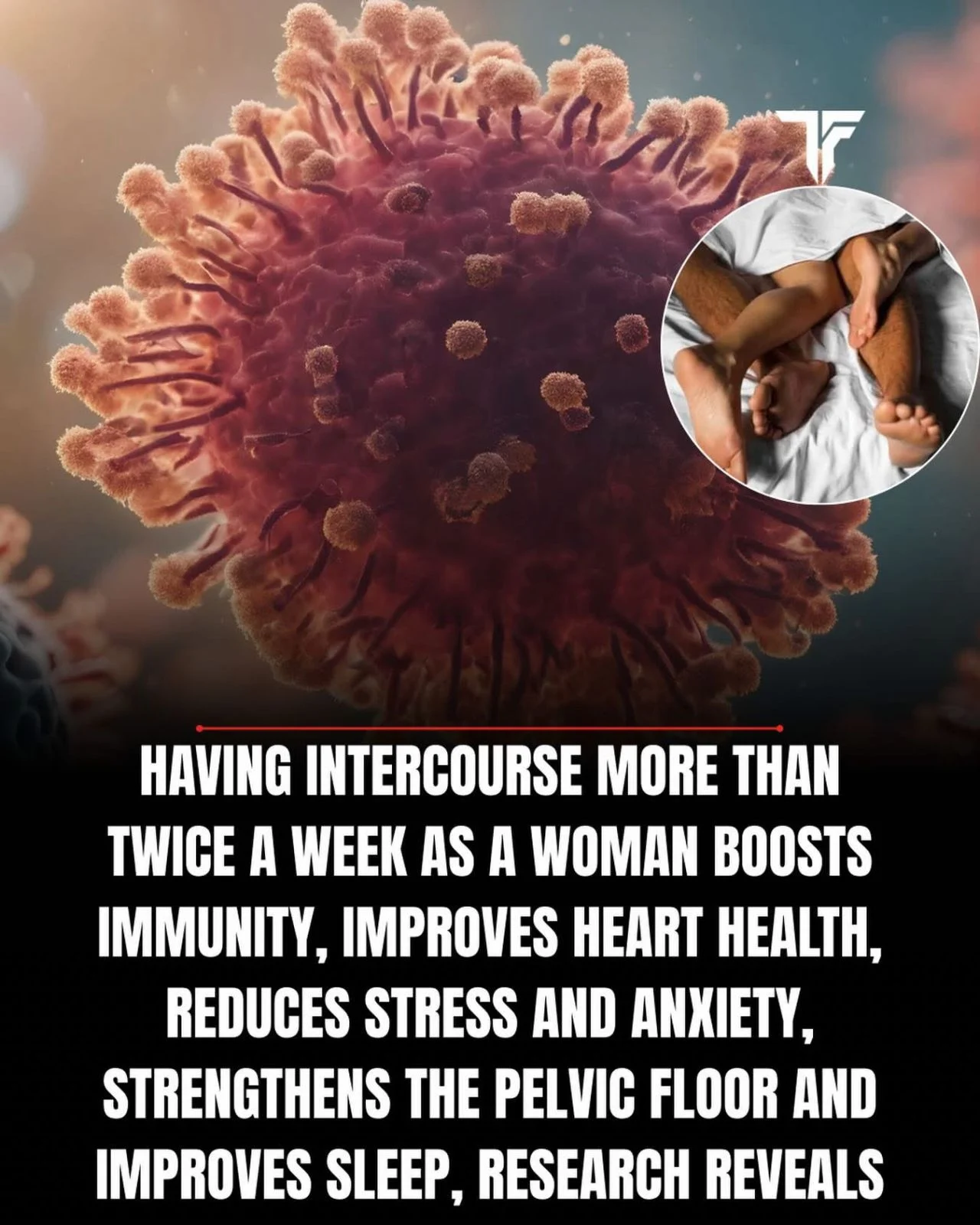
“Frequent intimacy is linked to higher levels of immunoglobulin A (IgA), an antibody that serves as a primary defense against pathogens like colds and flu.
Research has shown that women engaging in sexual activity 2 times or more per week may have up to 30% higher IgA levels than those who are less active.
Intimacy also triggers the release of oxytocin (the ‘cuddle hormone’) and endorphins, which actively lower levels of the stress hormone cortisol.
This hormonal shift promotes relaxation, elevates mood, and fosters emotional bonding.
Also, during arousal and orgasm, pelvic floor muscles undergo rhythmic contractions and relaxations.
This serves as a natural workout, similar to Kegel exercises, which can improve bladder control and reduce the risk of incontinence.
Furthermore, following an orgasm, the body releases prolactin and oxytocin, both of which have sedative effects.
Prolactin, in particular, is responsible for the feeling of relaxation and sleepiness that helps individuals fall into a deeper, more restorative sleep.
Sex also acts as a moderate-intensity form of cardiovascular exercise, similar to walking briskly.
It increases heart rate, improves circulation, and helps maintain healthy blood pressure.
Some studies indicate that sexually active women have a lower risk of cardiac events later in life.
While these benefits are widely documented, experts note that factors like relationship quality and emotional safety are critical for these positive outcomes to occur.”
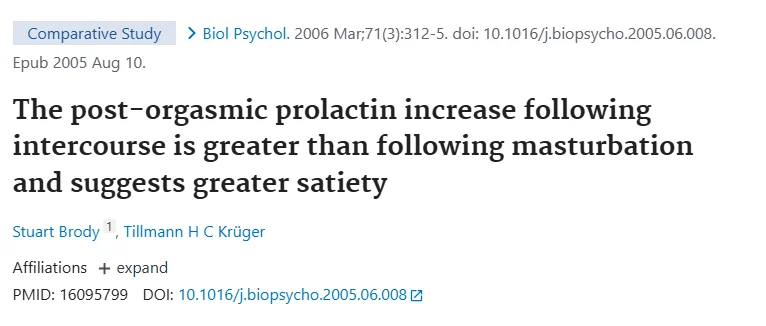
Title: The post-orgasmic prolactin increase following intercourse is greater than following masturbation and suggests greater satiety
Authors: Stuart Brody, Tillmann H C Krüger
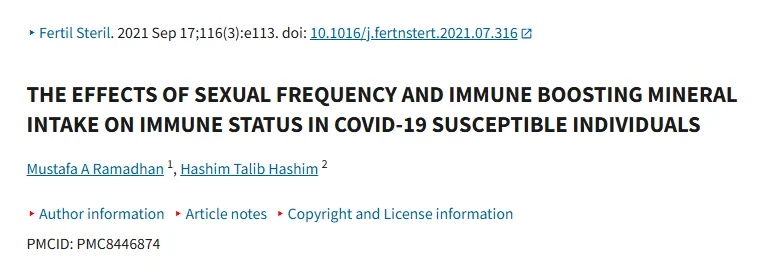
Title: The Effects Of Sexual Frequency And Immune Boosting Mineral Intake On Immune Status In Covid-19 Susceptible Individuals
Authors: Mustafa A Ramadhan, Hashim Talib Hashim
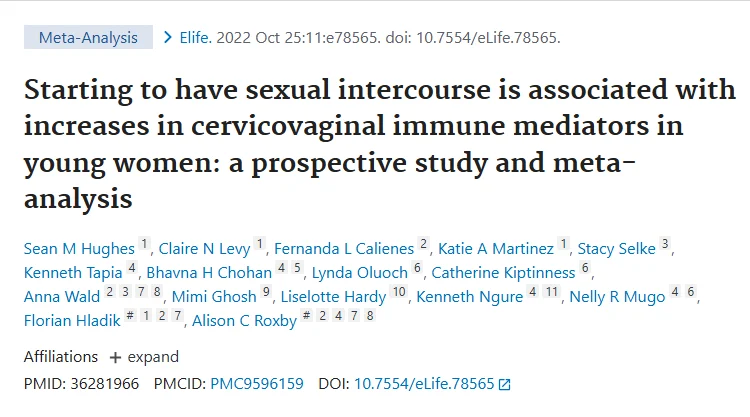
Title: Starting to have sexual intercourse is associated with increases in cervicovaginal immune mediators in young women: a prospective study and meta-analysis
Authors: Sean M Hughes, Claire N Levy, Fernanda L Calienes, Katie A Martinez, Stacy Selke, Kenneth Tapia, Bhavna H Chohan, Lynda Oluoch, Catherine Kiptinness, Anna Wald, Mimi Ghosh, Liselotte Hardy, Kenneth Ngure, Nelly R Mugo, Florian Hladik, Alison C Roxby
Other posts featuring Mahesan Subramaniam on Hemostasis Today.
-
Sep 30, 2026, 01:52Javed Anees: DADA2 – When a Young Stroke Is More Than a Stroke
-
Sep 30, 2026, 01:51How a Venous Thrombus Becomes Revascularized – ISTH
-
Sep 29, 2026, 22:45Victor Agunyego: Paracetamol – The Most Common Drug We Underestimate
-
Sep 29, 2026, 22:42Nova Sinclair: Advancing the Future of Hematology – Meet Our 2027 Organizing Committee
-
Sep 29, 2026, 22:41Lorenz Räber: Intracoronary Imaging in PCI – Why, When, How, and Which Modality?
-
Sep 29, 2026, 22:31Selma Turkovic: Pleased to Deliver the Opening Presentation at Kingston Hospital
-
Sep 29, 2026, 22:31Miguel Teran: Ultrasound and Simulation in Arterial Blood Sampling
-
Sep 29, 2026, 22:28Mohammad Refaei: Navigating Your Career in Hematology From Training to Practice
-
Sep 29, 2026, 22:27Matteo Foschi: 10 Clinical Pearls for Antithrombotic Therapy in Secondary Stroke Prevention