


Ushama Pj: Vitamin K – From ICU Emergencies to Long-Term Health
Ushama Pj, Intensive Care Nurse and Former Cardiac Icu Nursing Supervisor at Alemeis hospital Saudi Arabia, shared a post on LinkedIn:
“What is Vitamin K?
Vitamin K is a fat-soluble vitamin that exists in two main forms:
- K1 (Phylloquinone) – Found in green leafy vegetables
- K2 (Menaquinone) – Produced by gut bacteria and found in fermented foods
Core Mechanism – Why Vitamin K is Essential
Vitamin K is required for the activation of clotting factors through a process called:
\gamma\text(-carboxylation of glutamate residues in clotting factors II, VII, IX, X)
This modification allows clotting factors to bind calcium and function effectively in the coagulation cascade.
Role in Coagulation
Vitamin K is essential for synthesizing:
- Factor II (Prothrombin)
- Factor VII
- Factor IX
- Factor X
Without Vitamin K, patients are at risk of:
- Prolonged PT/INR
- Spontaneous bleeding
- Life-threatening hemorrhage
Bone Health and Metabolism
Vitamin K activates osteocalcin, a protein responsible for binding calcium to bone.
Clinical relevance:
- Supports bone mineralization
- May reduce fracture risk
- Works synergistically with Vitamin D
Cardiovascular Impact
Vitamin K helps regulate calcium deposition by activating Matrix Gla Protein (MGP):
- Prevents vascular calcification
- Supports arterial flexibility
Emerging evidence links low Vitamin K levels with increased cardiovascular risk.
Deficiency – Who is at Risk?
Vitamin K deficiency can occur in:
- Newborns (low stores + sterile gut)
- Patients on long-term antibiotics
- Liver disease patients
- Fat malabsorption syndromes
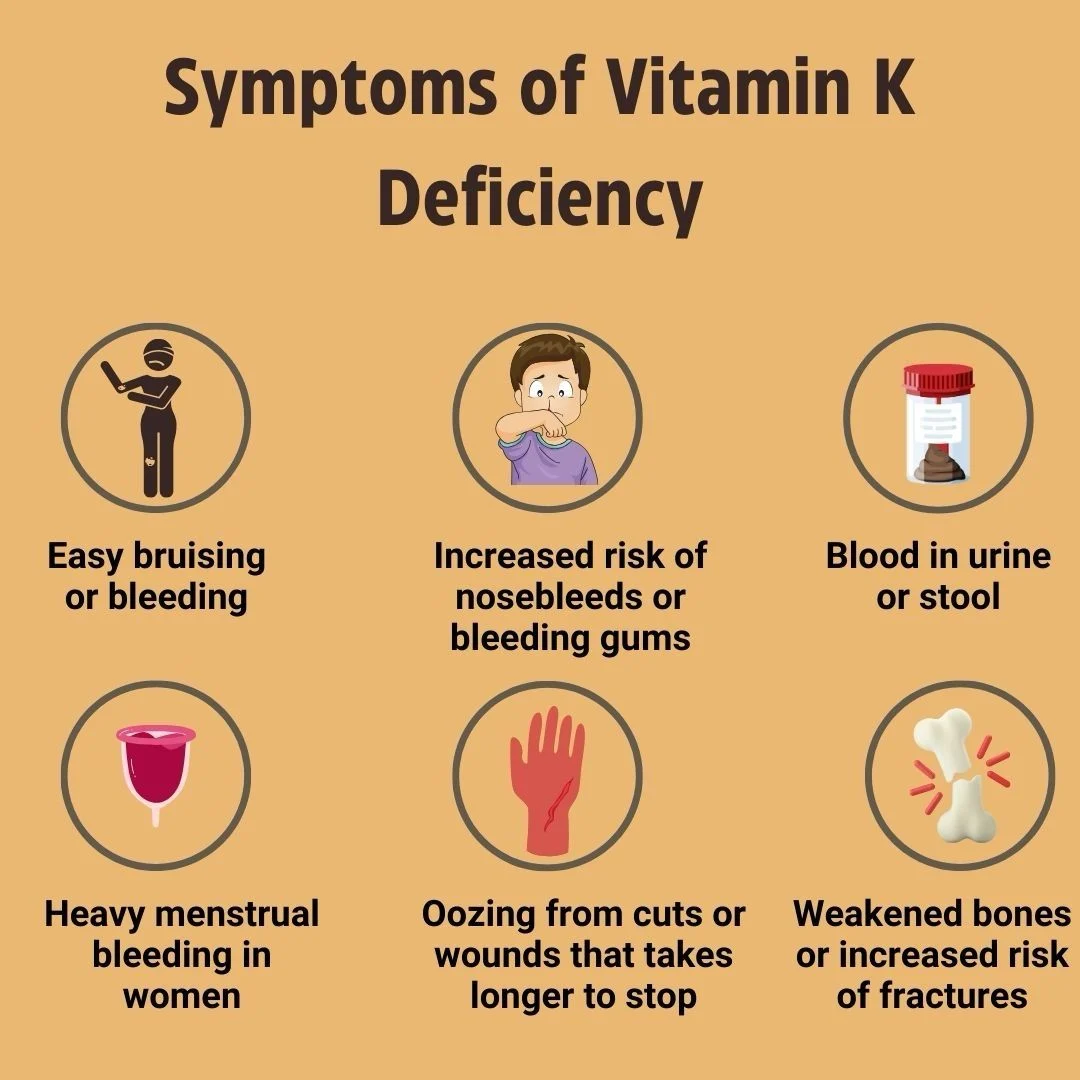
Clinical signs:
- Easy bruising
- Bleeding gums
- GI bleeding
- Increased PT/INR
Critical Care Insight
In ICU and cardiac settings:
- Vitamin K is used to reverse Warfarin effects
- Essential in managing coagulopathy
- Routinely given to newborns to prevent Vitamin K Deficiency Bleeding (VKDB)
Dietary Sources
- Spinach, kale, broccoli
- Liver and egg yolk
- Fermented foods (rich in K2)
Supplementation – Be Careful
Excess Vitamin K is rare, but:
- Can interfere with anticoagulant therapy
- Requires careful monitoring of INR in cardiac patients
Clinical Takeaway
Vitamin K is not just about clotting — it is a multifunctional vitamin influencing coagulation, bone strength, and vascular health.
In critical care, understanding its role can be life-saving, especially in bleeding disorders and anticoagulant management.
From ICU emergencies to long-term health — Vitamin K plays a crucial, often underestimated role.”
Stay updated with Hemostasis Today.
-
Sep 30, 2026, 01:52Javed Anees: DADA2 – When a Young Stroke Is More Than a Stroke
-
Sep 30, 2026, 01:51How a Venous Thrombus Becomes Revascularized – ISTH
-
Sep 29, 2026, 22:45Victor Agunyego: Paracetamol – The Most Common Drug We Underestimate
-
Sep 29, 2026, 22:42Nova Sinclair: Advancing the Future of Hematology – Meet Our 2027 Organizing Committee
-
Sep 29, 2026, 22:41Lorenz Räber: Intracoronary Imaging in PCI – Why, When, How, and Which Modality?
-
Sep 29, 2026, 22:31Selma Turkovic: Pleased to Deliver the Opening Presentation at Kingston Hospital
-
Sep 29, 2026, 22:31Miguel Teran: Ultrasound and Simulation in Arterial Blood Sampling
-
Sep 29, 2026, 22:28Mohammad Refaei: Navigating Your Career in Hematology From Training to Practice
-
Sep 29, 2026, 22:27Matteo Foschi: 10 Clinical Pearls for Antithrombotic Therapy in Secondary Stroke Prevention