

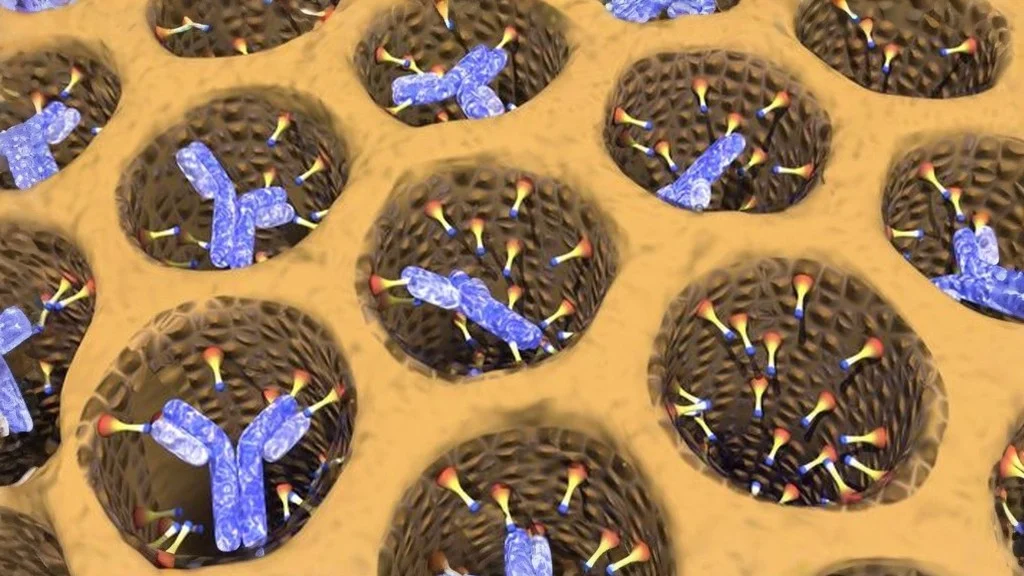
From a Single Cell to Lifesaving Science – The Nobel Prize
The Nobel Prize shared a post on LinkedIn:
“Did you know that we have millions of different antibodies, but each white blood cell in our immune system produces only one kind of antibody?
In 1975 Georges Köhler and Cesar Milstein developed a method to fuse a normal antibody-producing cell with a tumour cell, forming a hybrid that was both immortal and could create a specific antibody.
Their hybrid cell could produce antibodies of the same type – monoclonal antibodies – in whatever quantities are needed for research and medicine.
The production of monoclonal antibodies has enabled researchers to improve tests for infectious diseases, design completely new therapeutic strategies for diseases such as cancer, better explain the mechanisms behind autoimmune diseases and suppress rejection in organ transplants among other breakthroughs.
While the market for monoclonal antibodies is now worth billions of dollars, Köhler and Milstein did not patent their technique or benefit financially by forming a company, instead remaining in research.
Köhler shared the 1983 Nobel Prize in Physiology or Medicine with Niels K. Jerne and César Milstein.”
Stay updated on all scientific advances with Hemostasis Today.
-
Sep 25, 2026, 16:56Cindy Neunert: The Future of Personalized ITP Care
-
Sep 25, 2026, 16:26Gemma Postil: AI Tools in Modern Health Research
-
Sep 25, 2026, 16:01Mostafa Hammam: When aPTT Correction Is Not the End
-
Sep 25, 2026, 15:50Adam Boruchov: Registration Is Open For The 2026 New England Hematologic Diseases Symposium
-
Sep 25, 2026, 15:23Bringing Hope and Treatment Access to Morocco’s Hemophilia Community – World Federation of Hemophilia
-
Sep 25, 2026, 15:22Alejandro González Veliz: Targeting Atherosclerosis Before the First Event
-
Sep 25, 2026, 15:00Sarah Richardson: Finding Strength Through Bleeding Disorders Advocacy
-
Sep 25, 2026, 14:54James Fildes: Modeling Device Related Thrombosis in Multi Organ Systems
-
Sep 25, 2026, 14:51Platelet Metabolic Reprogramming: How Cellular Energy Drives Thrombosis