


Krisstina Gowin: The Blood Tells a Story Long Before Diagnosis – Are We Listening Early Enough?
Krisstina Gowin, Clinical Associate Professor at City of Hope, shared a post on LinkedIn about a recent article by Abhishek A Mangaonkar et al, published in American Jounal of Hematology, adding:
“The blood tells a story long before diagnosis. Are we listening early enough?
CHIP and CCUS represent one of the most compelling – and underutilized – frontiers in hematology, preventive oncology, and cardiovascular medicine.
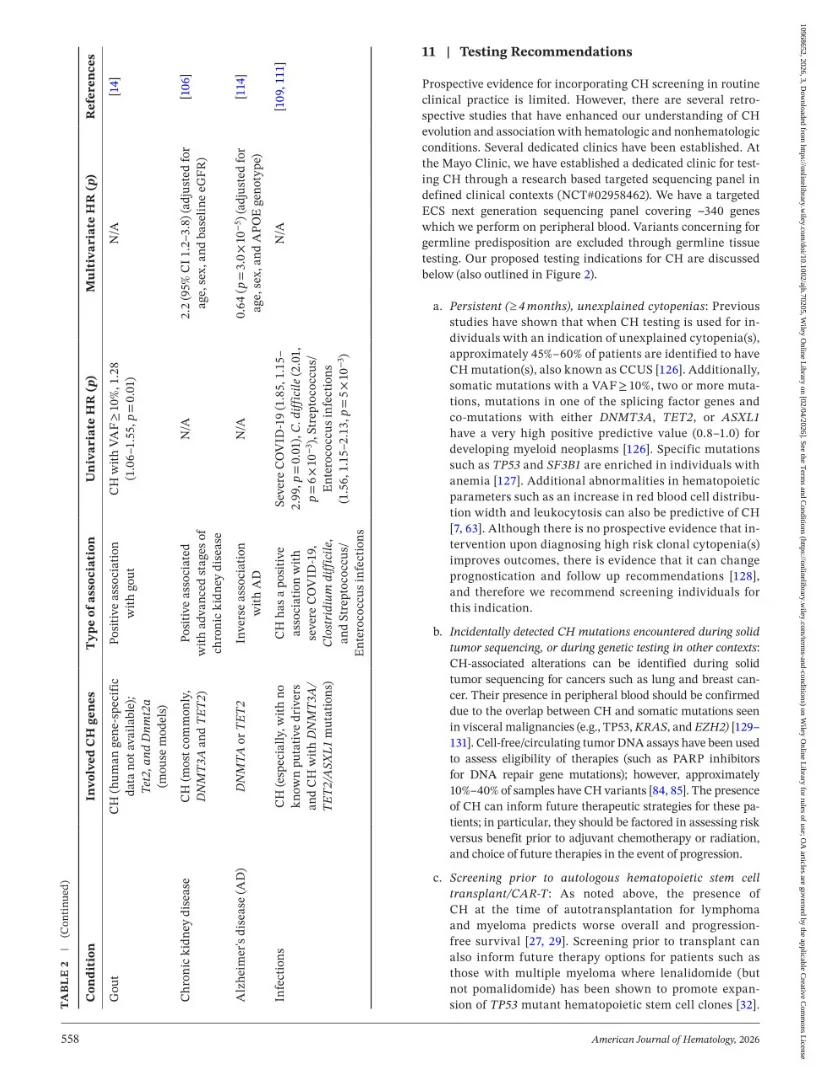
A 2026 update in the American Journal of Hematology reinforces both the science and the urgency:
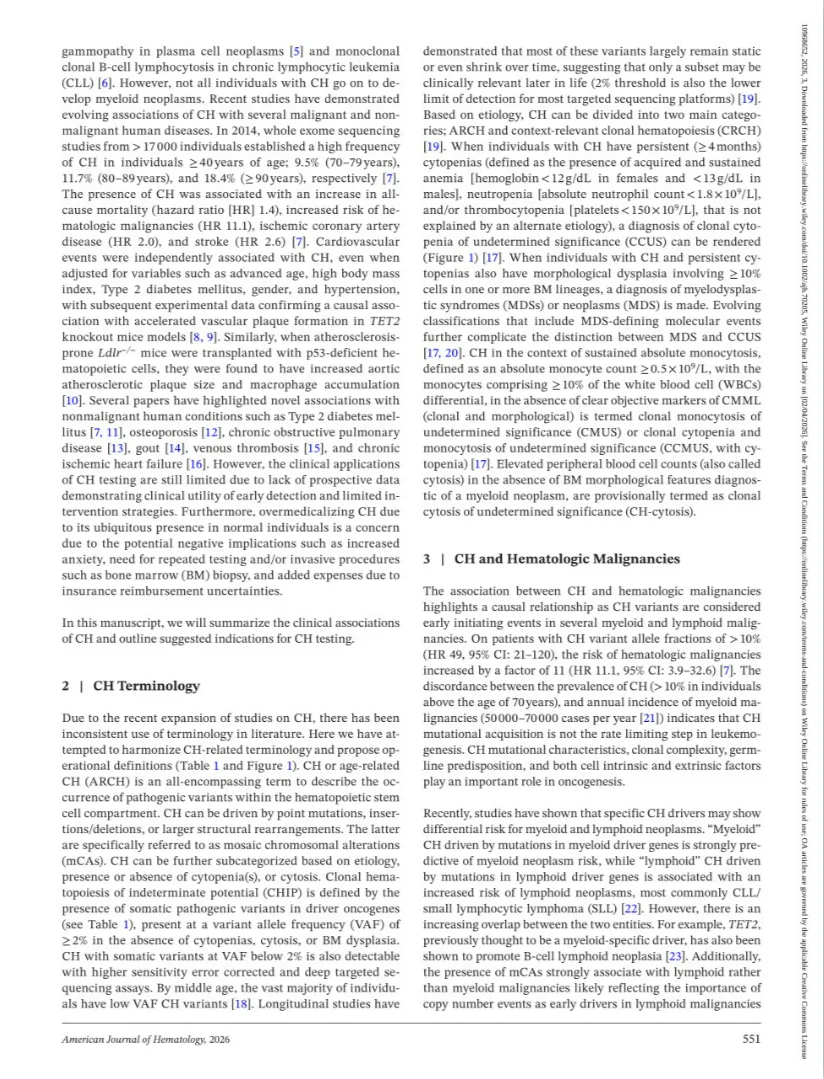
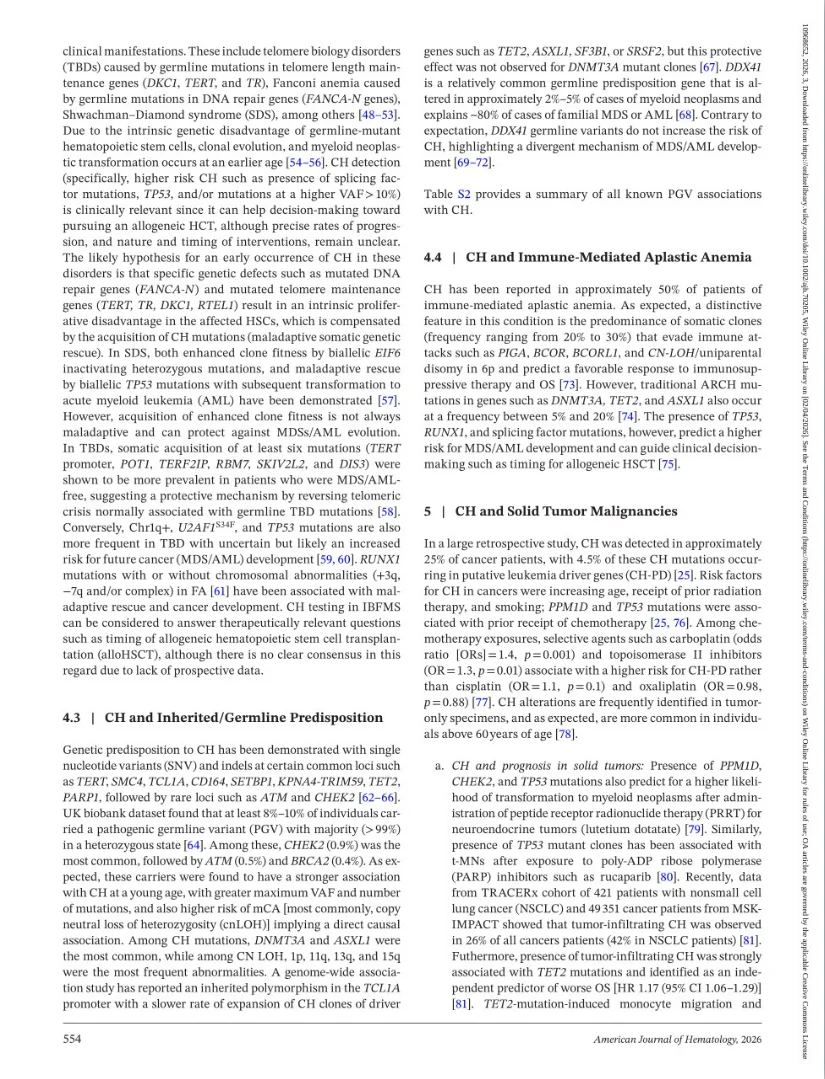
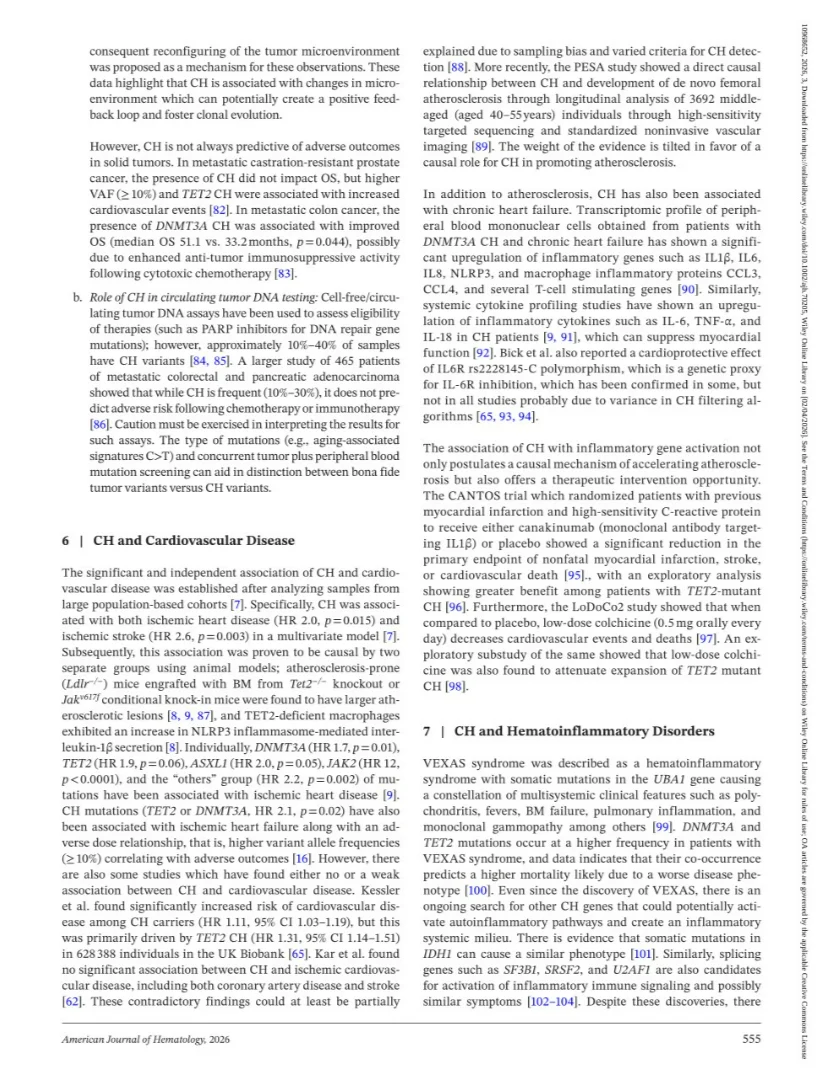
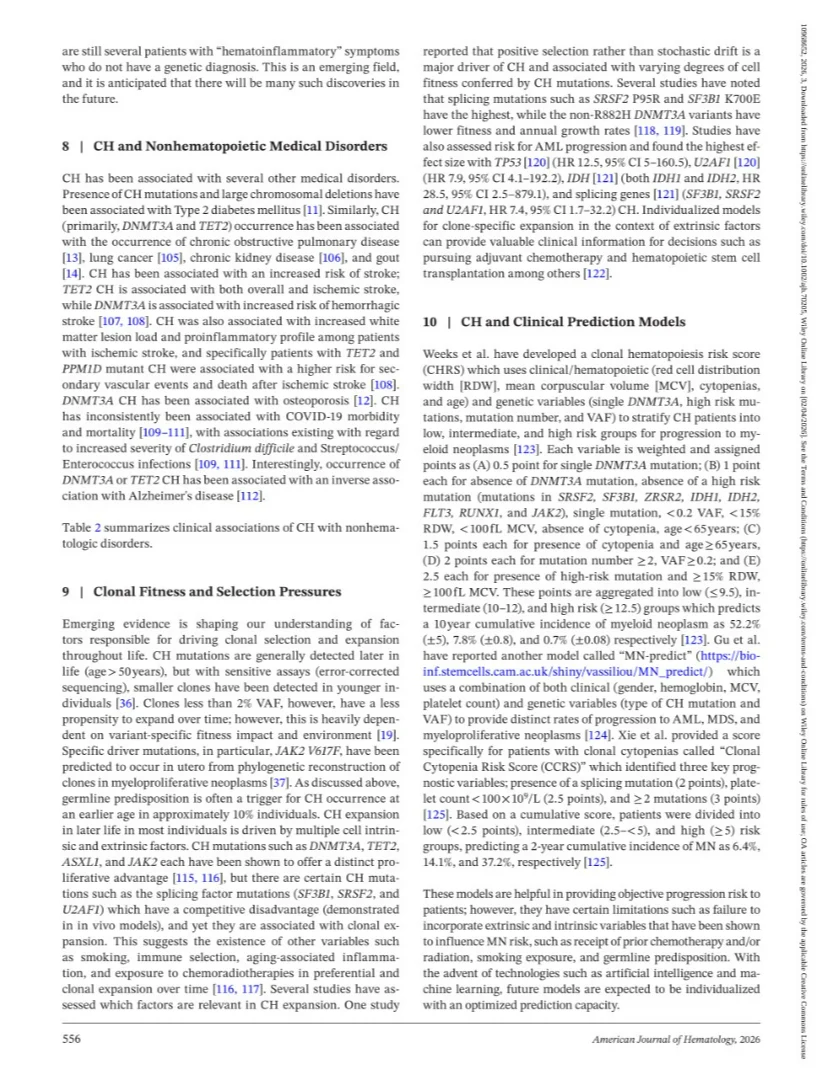
- CHIP affects nearly 10% by age 70
- VAF more than 10% – 11 times increased risk of hematologic malignancy
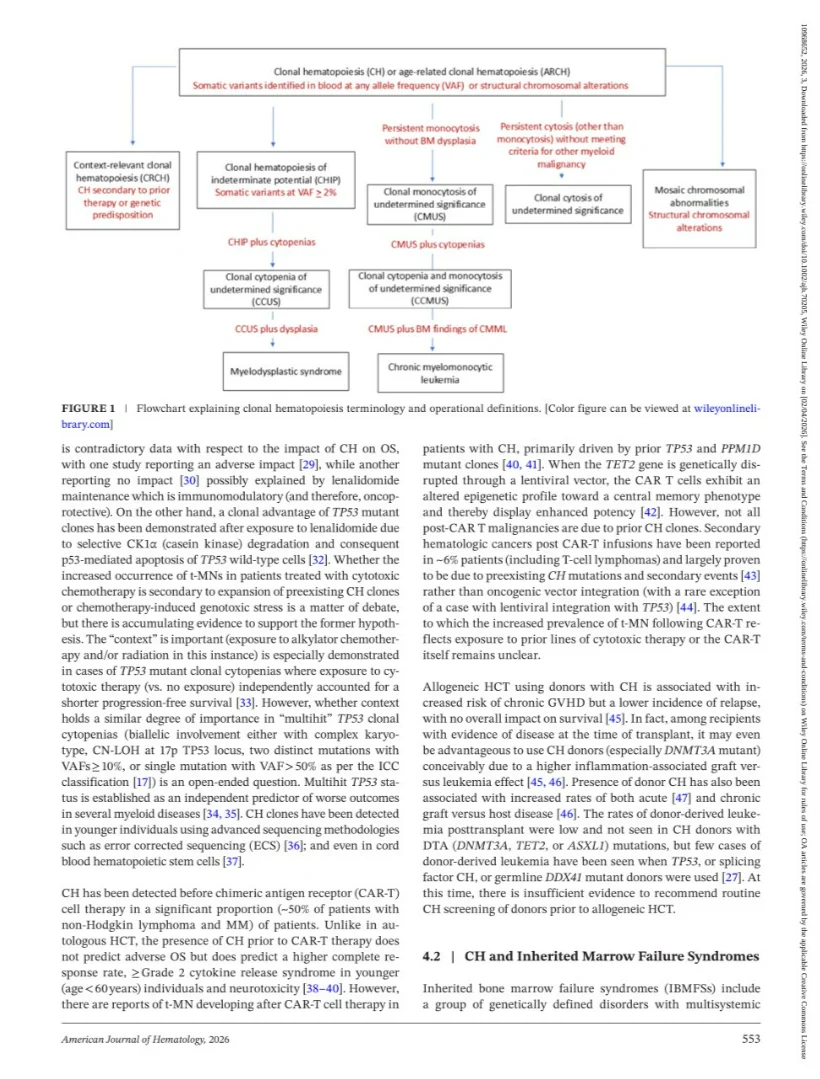
- High-risk CCUS – up to 37% 2-year progression
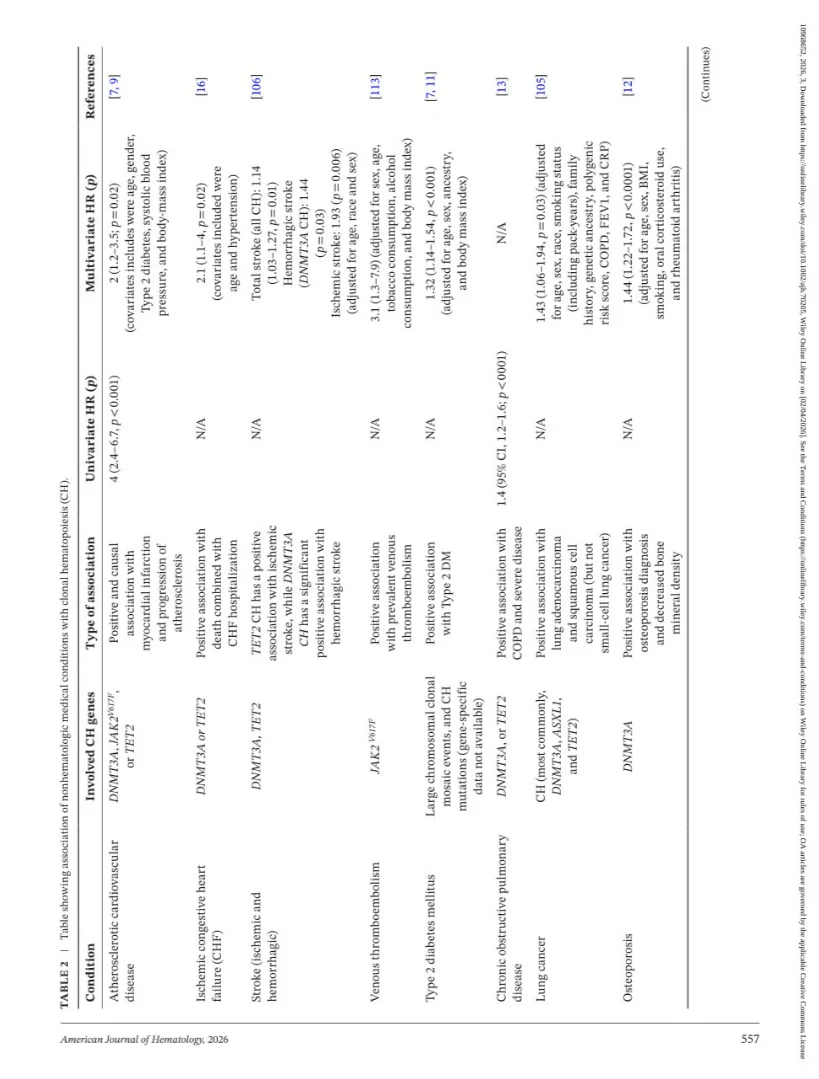
- Strong associations with atherosclerosis, stroke, heart failure, and metabolic disease
This is not a niche hematology issue – it is a systems biology challenge.
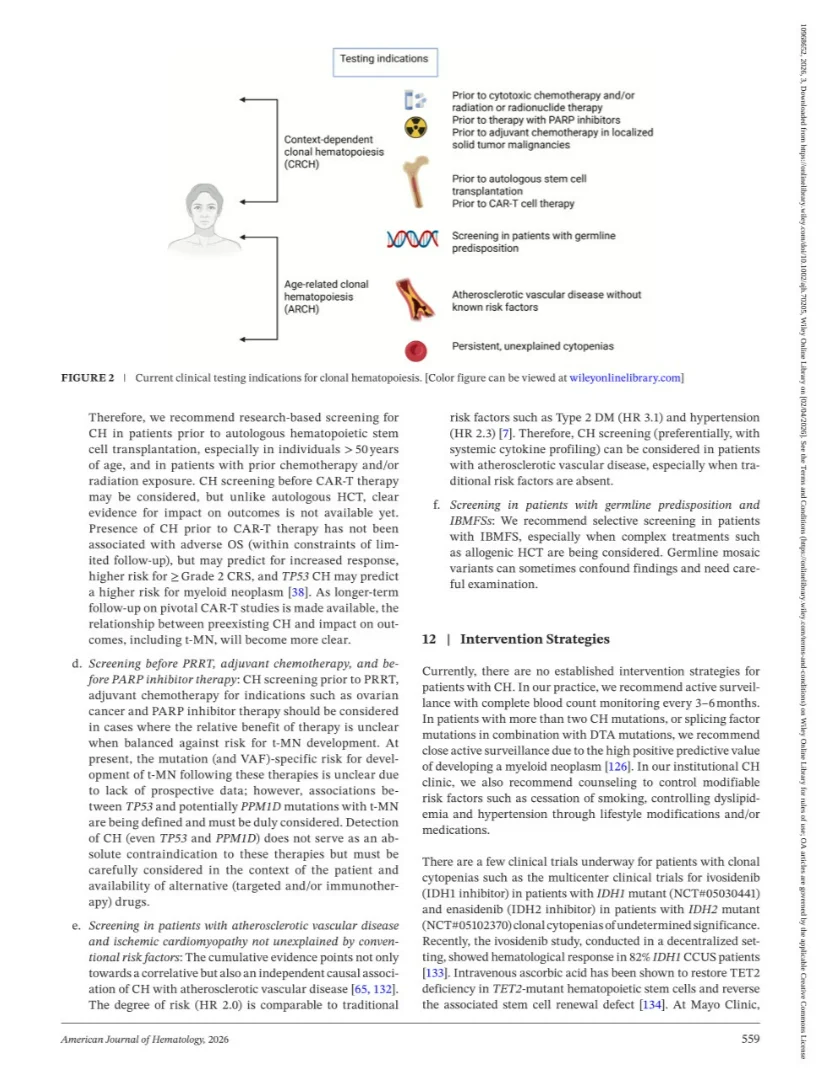
Pillar 1: Precursor Clinics
We need dedicated CH/CCUS clinics – now.
Structured programs allow for:
- Risk-stratified surveillance
- Germline evaluation
- Cardio-oncology co-management
- Early access to clinical trials – before transformation
The precursor state is the opportunity. We should be building infrastructure around it.
Pillar 2: Translational and Collaborative Science
We have risk tools – but they remain incomplete.
What we need:
- Prospective natural history studies
- Shared biobanks and datasets
- AI-driven risk prediction beyond mutation plus VAF
- Mechanistic insight into clonal expansion
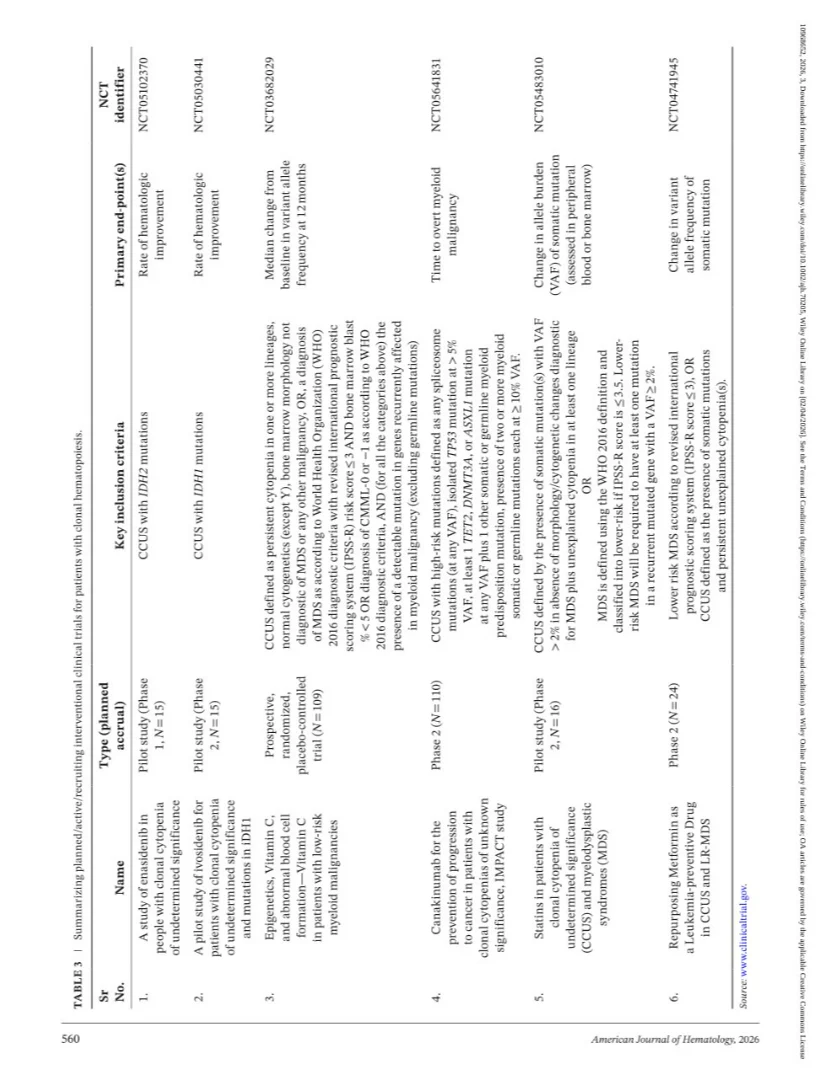
Six interventional trials are already underway. This is momentum worth accelerating.
Pillar 3: Lifestyle as Intervention
Perhaps the most actionable – and underappreciated – lever.
Smoking, dyslipidemia, hypertension, metabolic health – these are not peripheral.
They shape clonal fitness and disease trajectory.
We are already counseling patients. Now we need the trials to prove impact.
Bottom line
CHIP and CCUS are not incidental findings.
They are biological signals – and a window of opportunity.
The field now needs:
- Precursor clinics
- Collaborative science
- Intervention trials
The science is converging.
The time to act is now.”
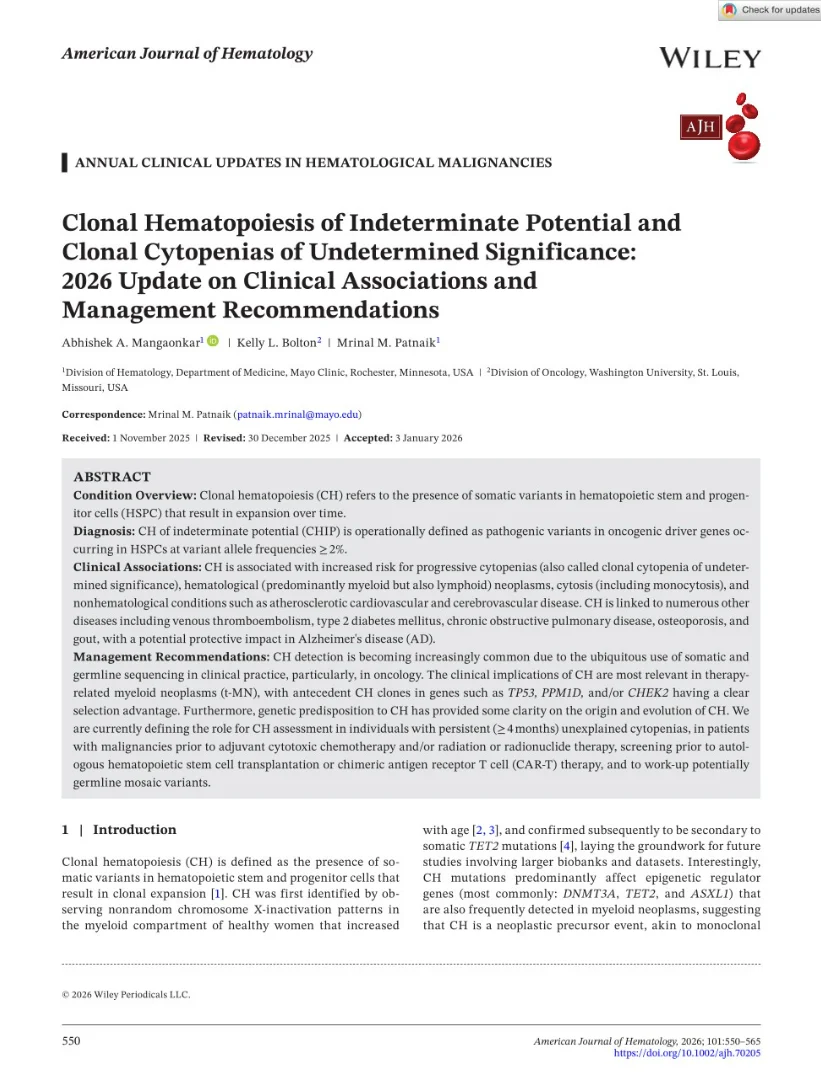
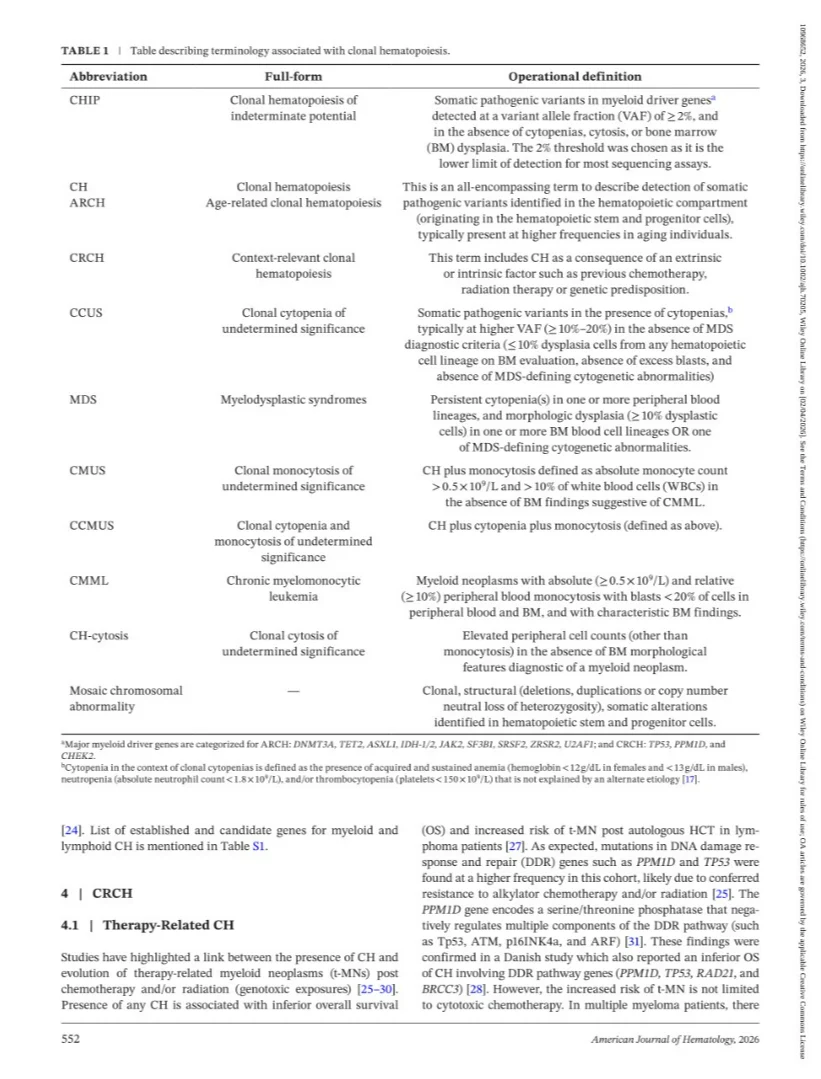
Title: Clonal Hematopoiesis of Indeterminate Potential and Clonal Cytopenias of Undetermined Significance: 2026 Update on Clinical Associations and Management Recommendations
Authors: Abhishek A Mangaonkar, Kelly L Bolton, Mrinal M Patnaik
Stay updated on all scientific advances with Hemostasis Today.
-
Nov 4, 2026, 18:57Connecting Haemophilia Centres, Certifying Treaters, and Improving National Data in Romania – EHC
-
Nov 4, 2026, 18:45Smitirupa Mishra: A Practical Guide to Coagulation Pathway Assessment and Laboratory Interpretation
-
Nov 4, 2026, 15:59Alessandra Bosch: A Successful Patient Day for the Bleeding Disorders Community in Zürich
-
Nov 4, 2026, 15:47Wolfgang Miesbach: Targeting Hepatic Endothelial Cells for Lentiviral Gene Therapy in Haemophilia A
-
Nov 4, 2026, 15:20Augustina Isioma Ikusemoro: Before You Transfuse, Think PBM
-
Nov 4, 2026, 14:23Advancing Hemophilia Care Through Global Research – WFH
-
Nov 4, 2026, 14:12Jean-Jacques Kiladjian: From JAK Inhibitor-Associated Skin Cancers to Laboratory Discovery
-
Nov 4, 2026, 13:59Rita Li: ASH 2026 Abstract Achievement Award for Gut Microbiome Research
-
Nov 4, 2026, 13:38Omid Seidizadeh: Improving Access to von Willebrand Disease Diagnosis and Treatment Across Europe