

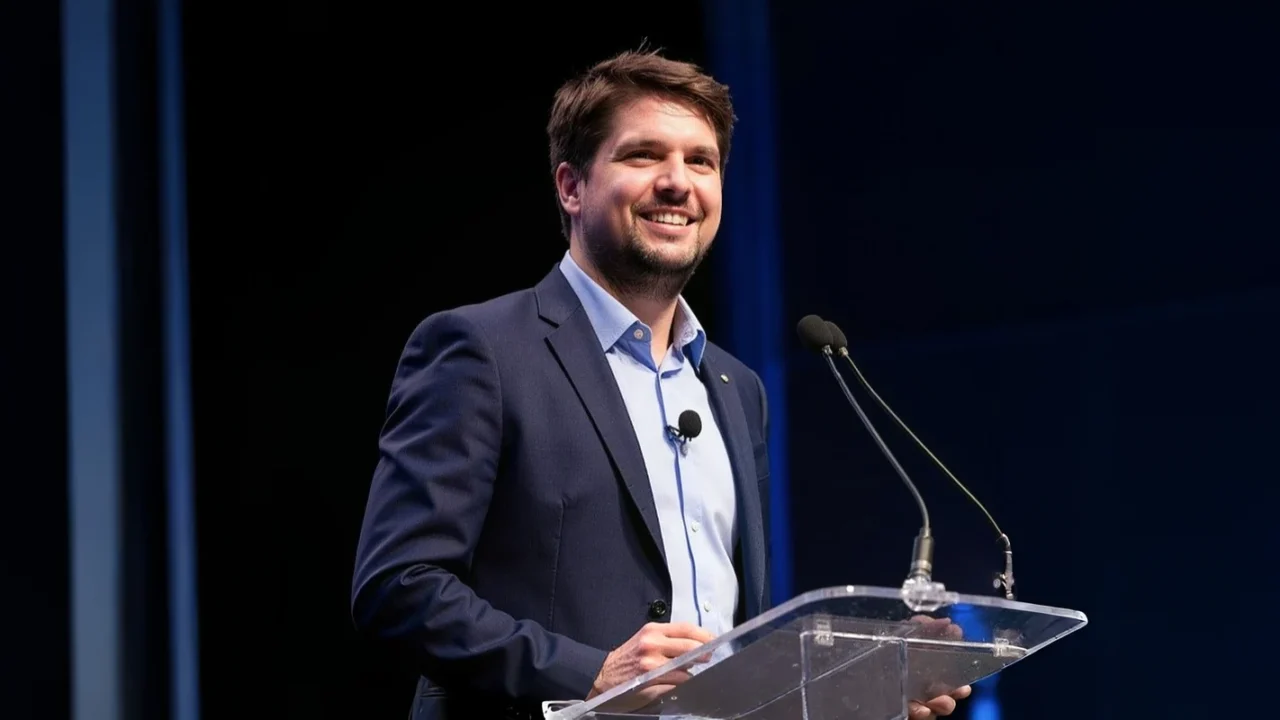
Matthias König: Developing an Open Whole-Body PBPK/PD Digital Twin of Apixaban
Matthias König, Associate Professor of Pharmacoepidemiology and Data Science at University of Southern Denmark, shared a post on LinkedIn about a recent preprint, he and his colleagues co-authored, published in Preprints.org, adding:
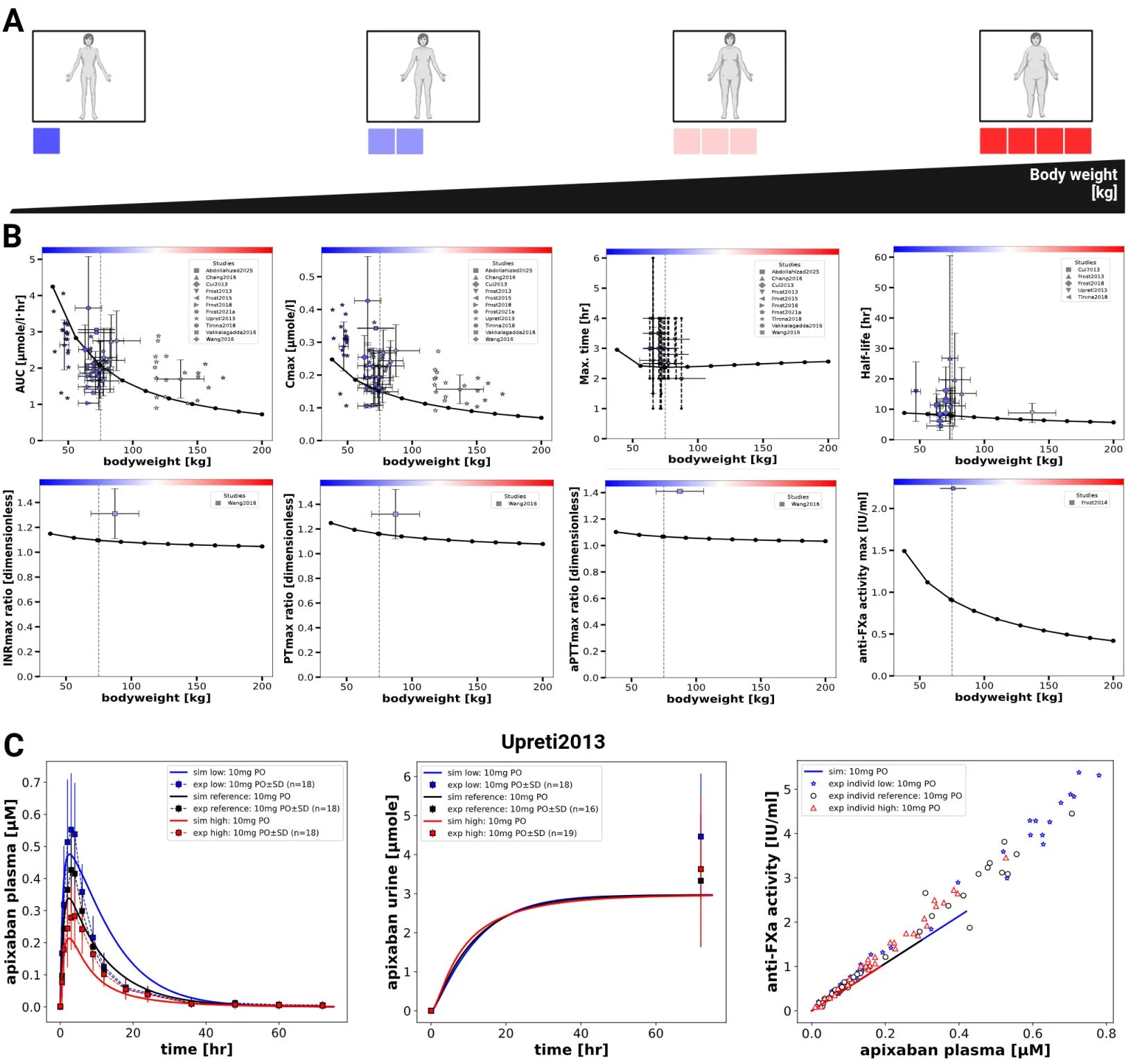
“New preprint: ‘An Open and Reproducible Digital Twin for Personalised Anticoagulant Therapy: Modelling Apixaban Pharmacokinetics and Pharmacodynamics.’
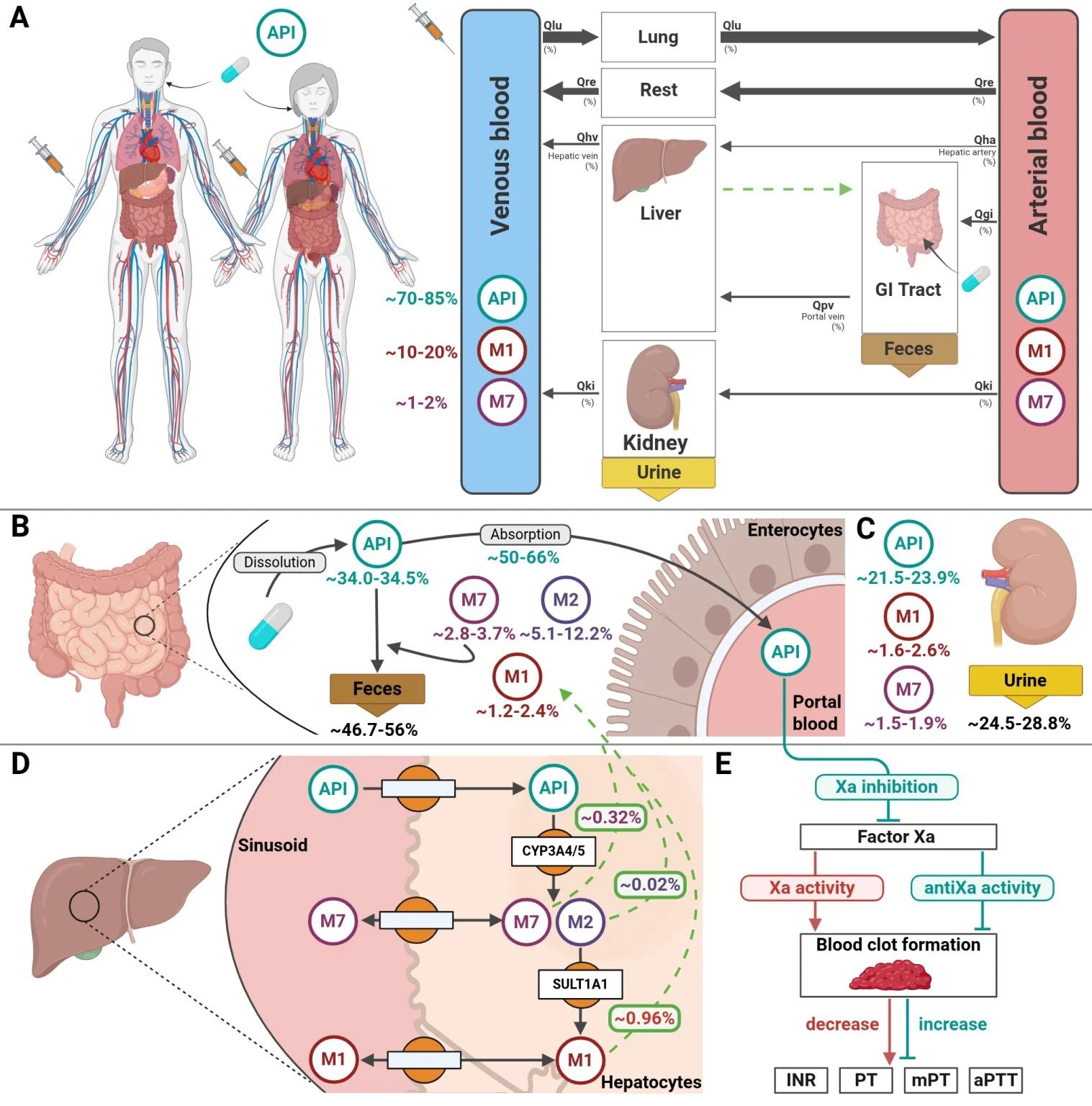
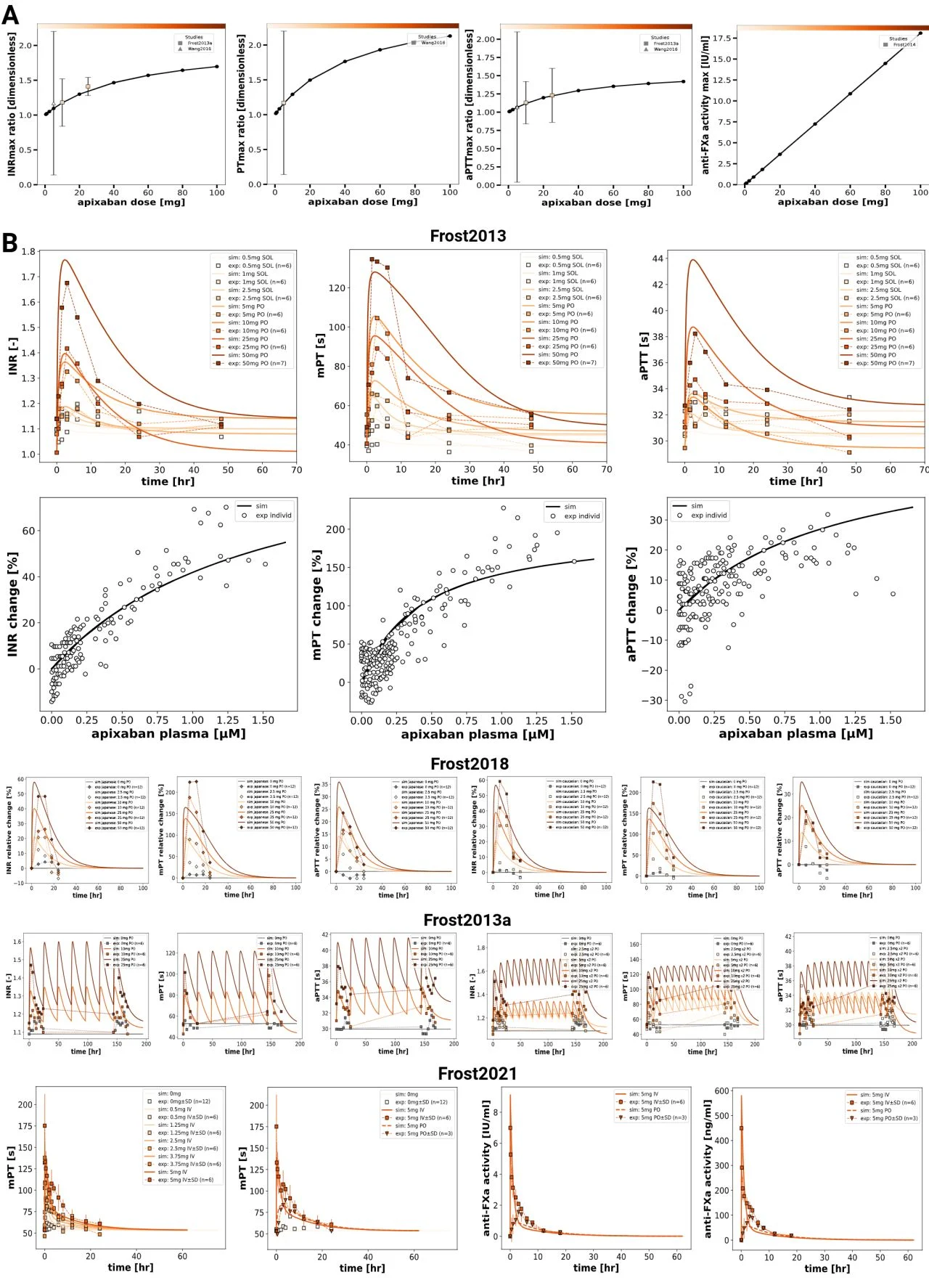
In this work, we developed an open whole-body PBPK/PD digital twin of the direct oral anticoagulant apixaban, linking drug exposure to anticoagulation-related pharmacodynamic endpoints, including INR, PT, mPT, aPTT, and anti-Xa activity.
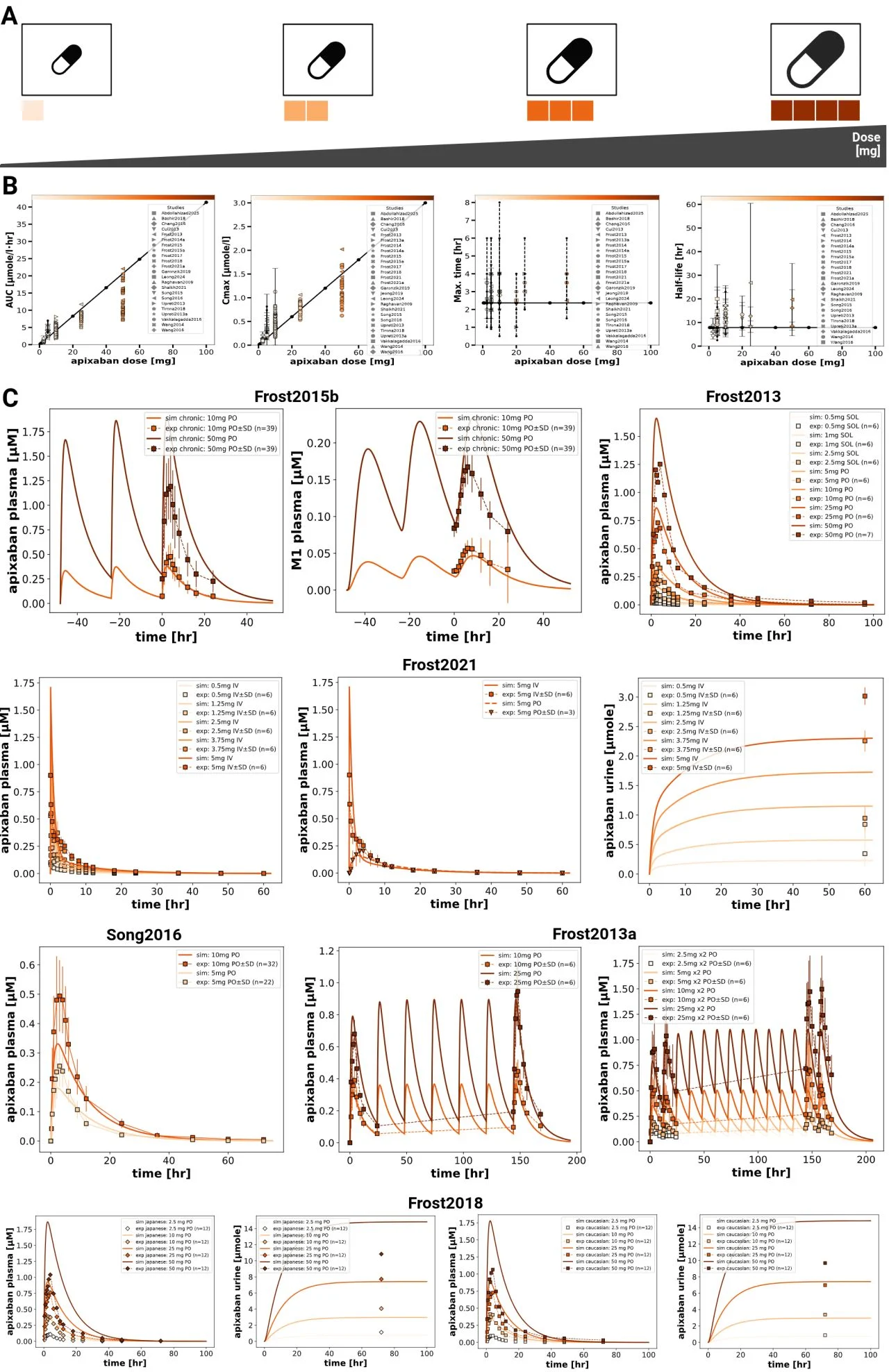
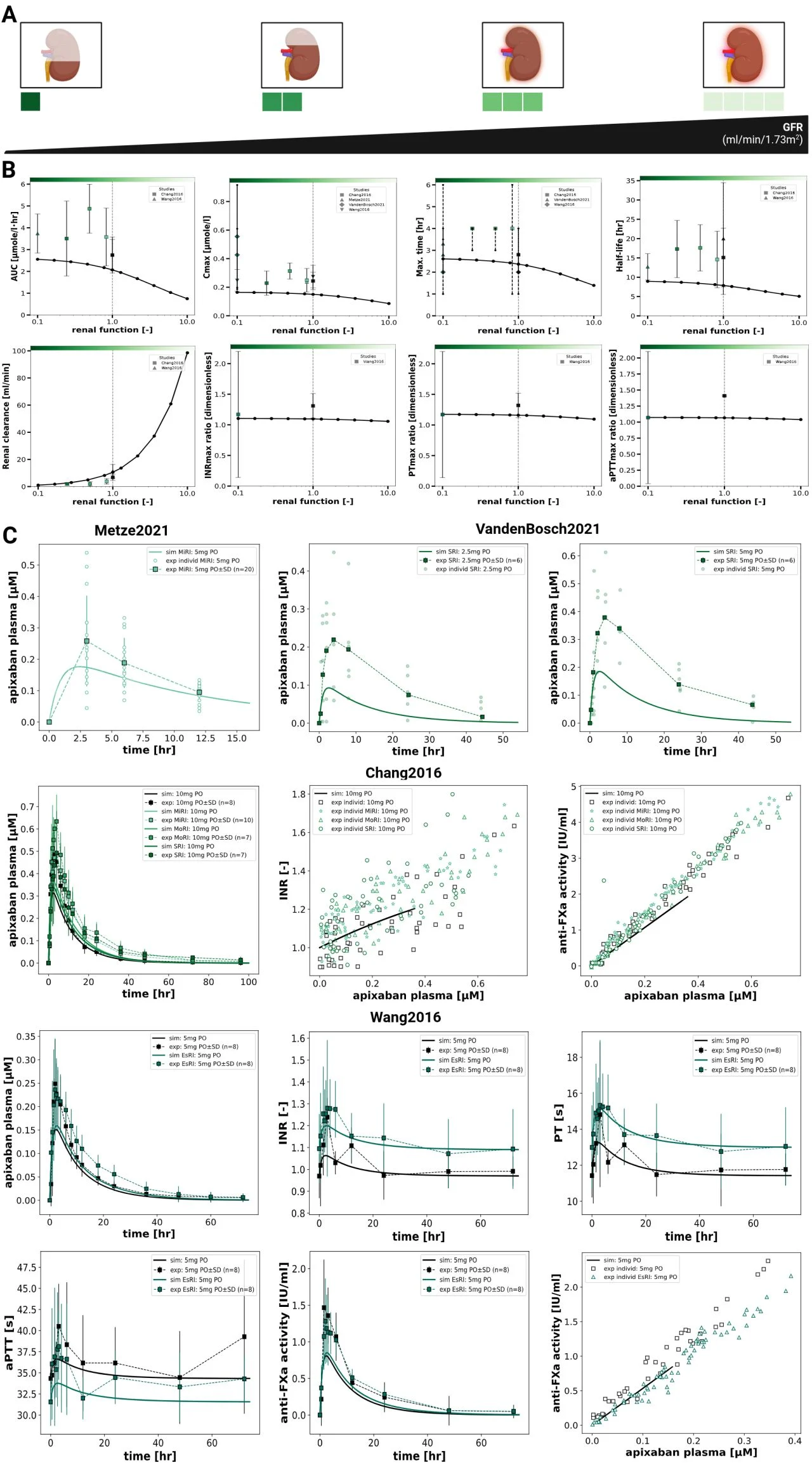
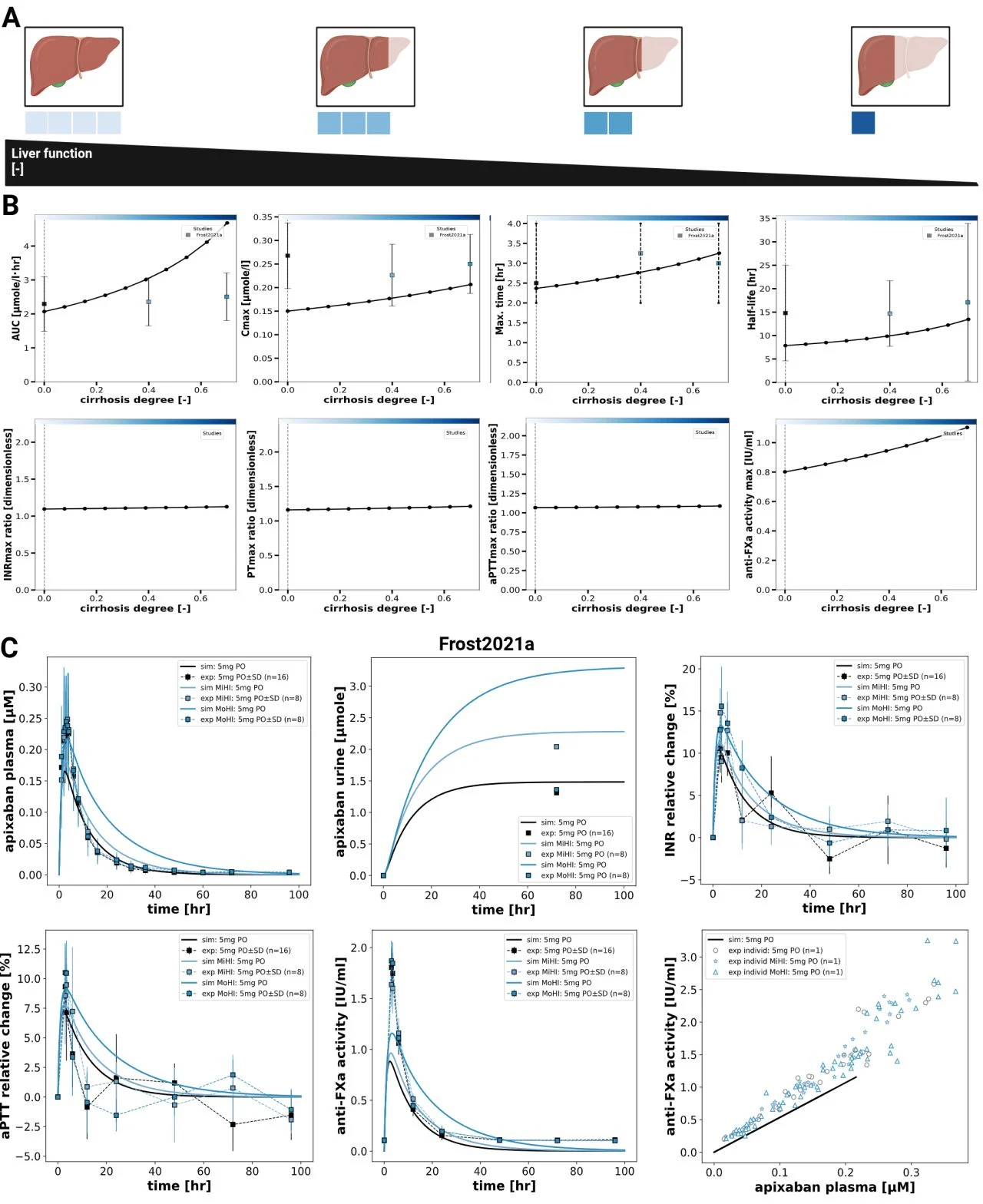
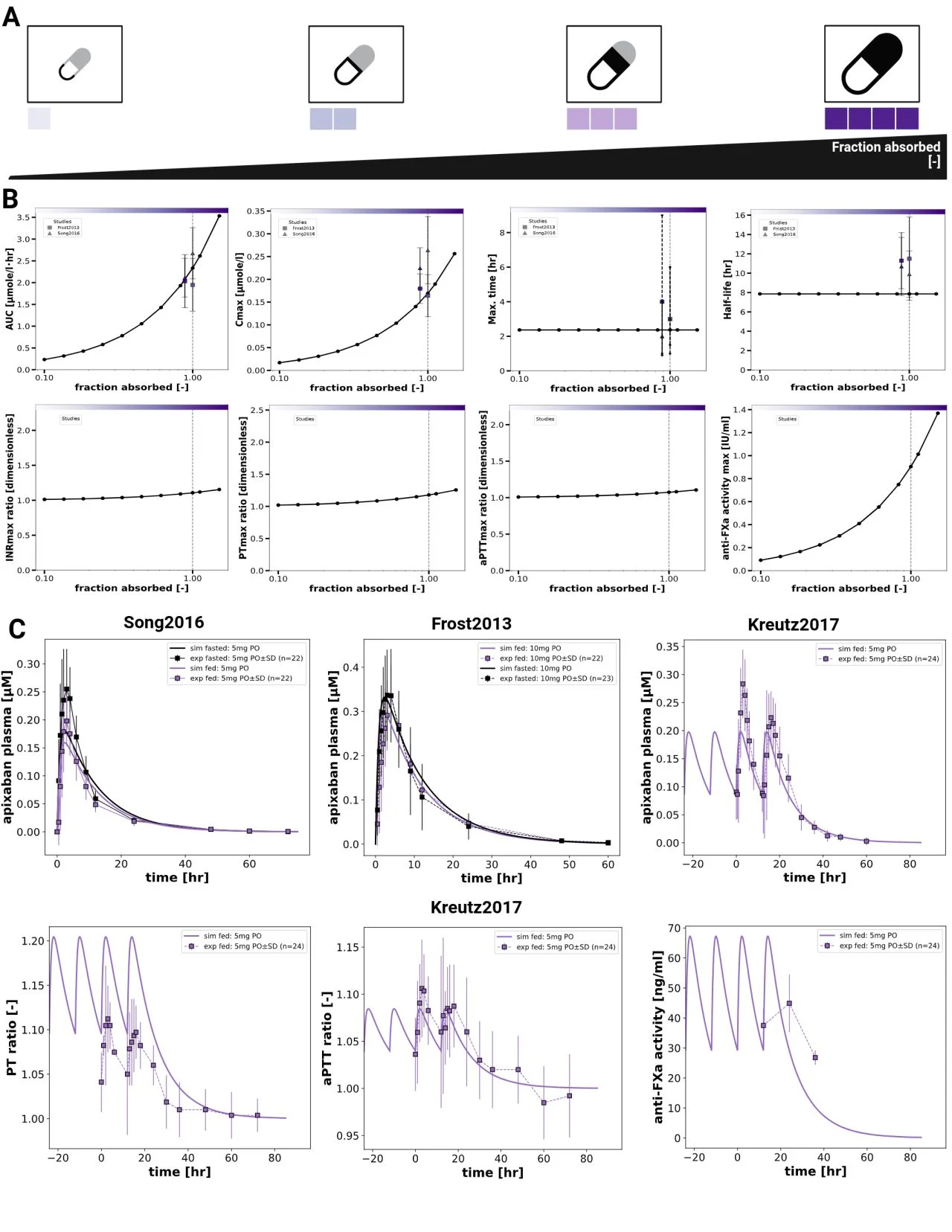
The model was built and evaluated using data from 35 curated clinical PK/PD studies, covering diverse dosing regimens and clinically relevant scenarios, including renal and hepatic impairment, food intake, and body weight effects.
It captures apixaban pharmacokinetics and pharmacodynamics across these populations and provides a reusable framework for personalised anticoagulant therapy.
A key focus was reproducibility and openness: all models, simulation workflows, documentation, and curated datasets are openly available and FAIR-compliant, enabling transparent reuse, independent verification, and future extension.
The work was developed as part of the Berlin University Alliance (BUA) X-Student Research Group ‘Digital Twins in Action:
Optimizing Direct Oral Anticoagulant Use’, funded by the Bundesministerium für Bildung und Forschung (BMBF) and the State of Berlin as part of the Excellence Strategy of the Federal and State Governments.”
Title: An Open and Reproducible Digital Twin for Personalised Anticoagulant Therapy: Modelling Apixaban Pharmacokinetics and Pharmacodynamics
Authors: Mariia Myshkina, Mariia Babaeva, Linh Chang Nguyen, Shelee Bedón, Johannes Metternich, Michelle Elias, Matthias König
Stay updated on all scientific advances with Hemostasis Today.
-
Sep 30, 2026, 01:52Javed Anees: DADA2 – When a Young Stroke Is More Than a Stroke
-
Sep 30, 2026, 01:51How a Venous Thrombus Becomes Revascularized – ISTH
-
Sep 29, 2026, 22:45Victor Agunyego: Paracetamol – The Most Common Drug We Underestimate
-
Sep 29, 2026, 22:42Nova Sinclair: Advancing the Future of Hematology – Meet Our 2027 Organizing Committee
-
Sep 29, 2026, 22:41Lorenz Räber: Intracoronary Imaging in PCI – Why, When, How, and Which Modality?
-
Sep 29, 2026, 22:31Selma Turkovic: Pleased to Deliver the Opening Presentation at Kingston Hospital
-
Sep 29, 2026, 22:31Miguel Teran: Ultrasound and Simulation in Arterial Blood Sampling
-
Sep 29, 2026, 22:28Mohammad Refaei: Navigating Your Career in Hematology From Training to Practice
-
Sep 29, 2026, 22:27Matteo Foschi: 10 Clinical Pearls for Antithrombotic Therapy in Secondary Stroke Prevention