

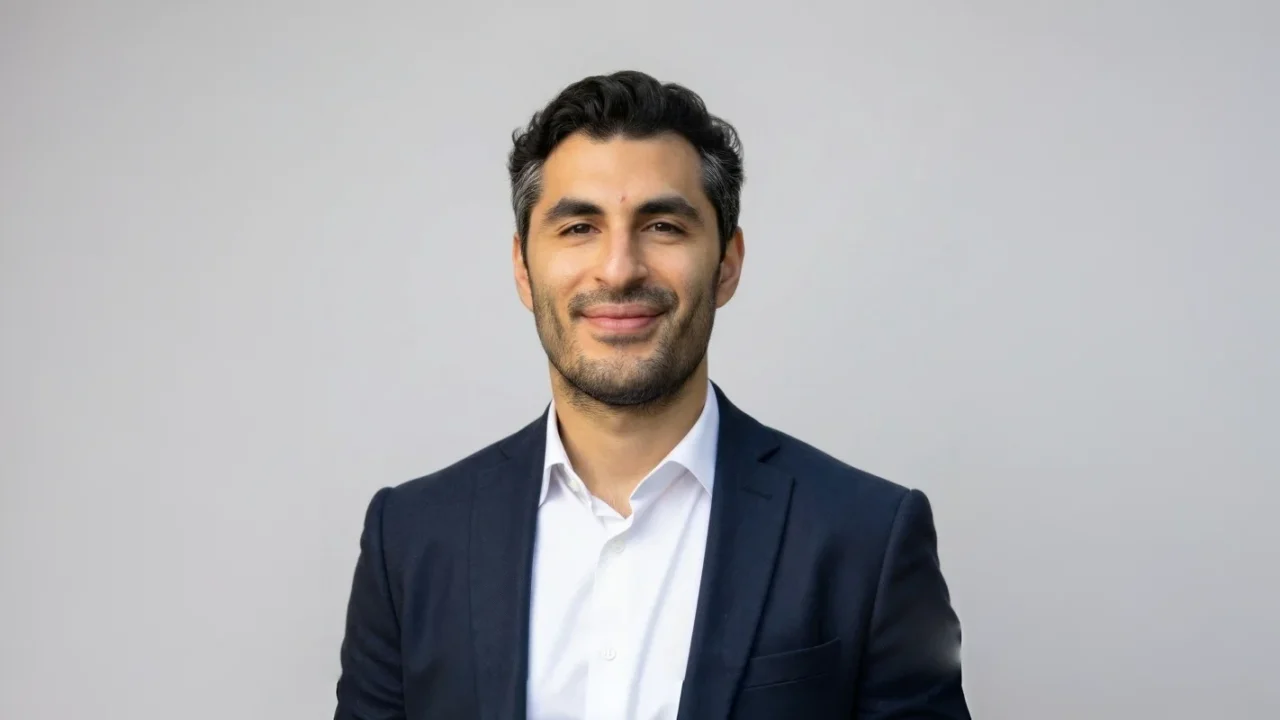
Rami Z. Morsi: Advancing the Full Spectrum of Stroke Care at UCM 2026 3rd Annual Stroke Symposium
Rami Z. Morsi, NIH StrokeNet Fellow at UChicago Medicine, shared a post on LinkedIn:
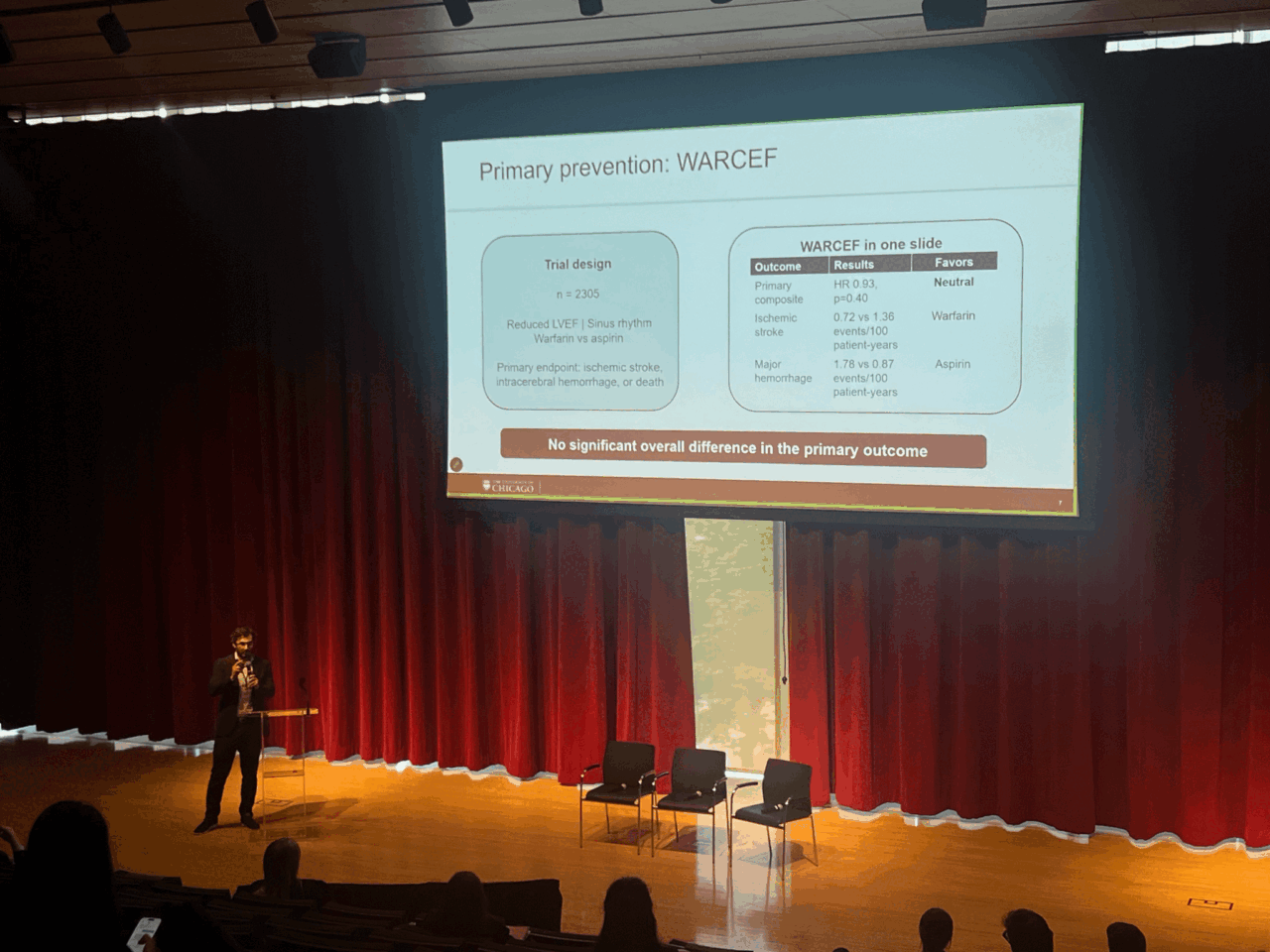
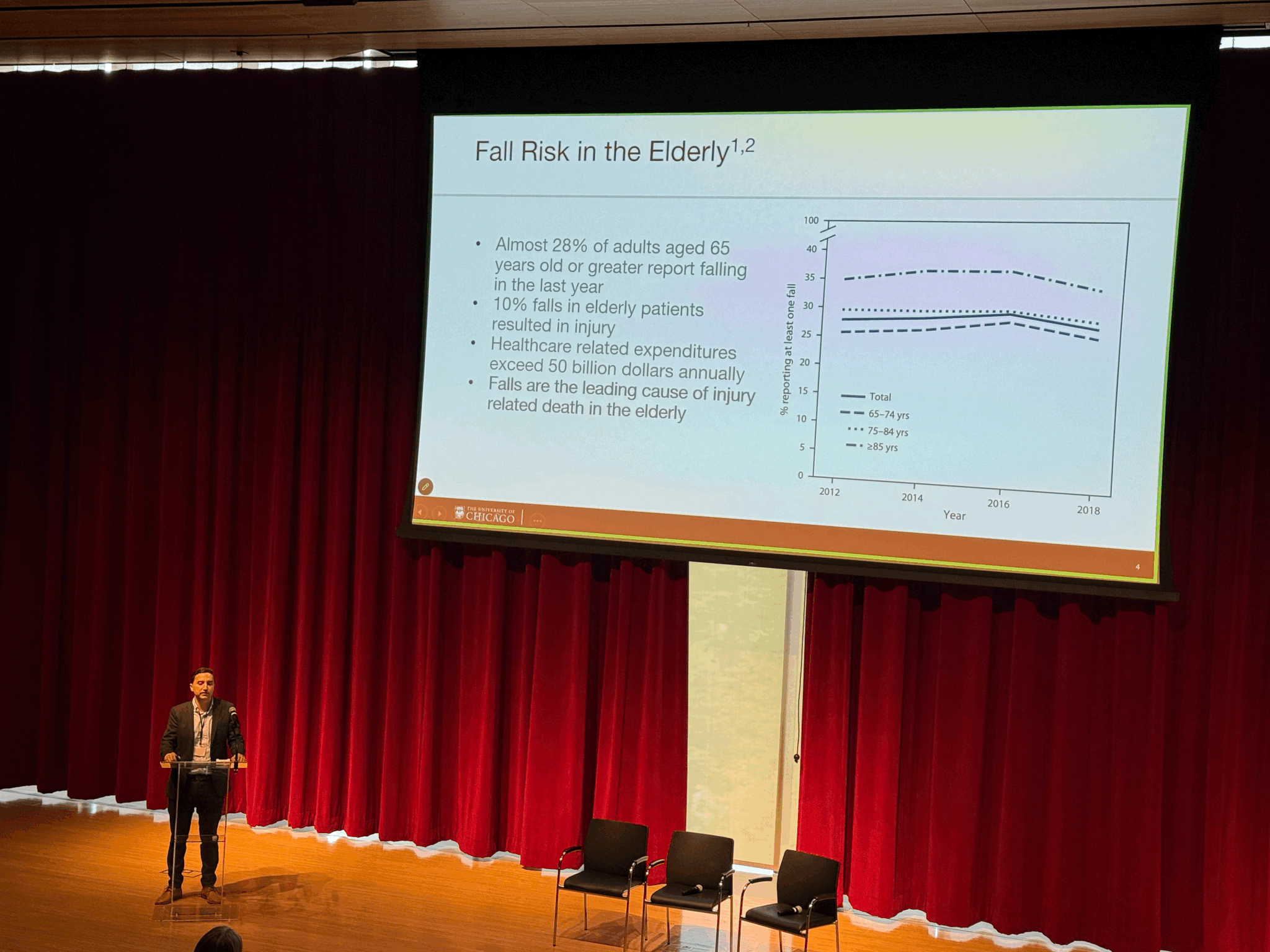
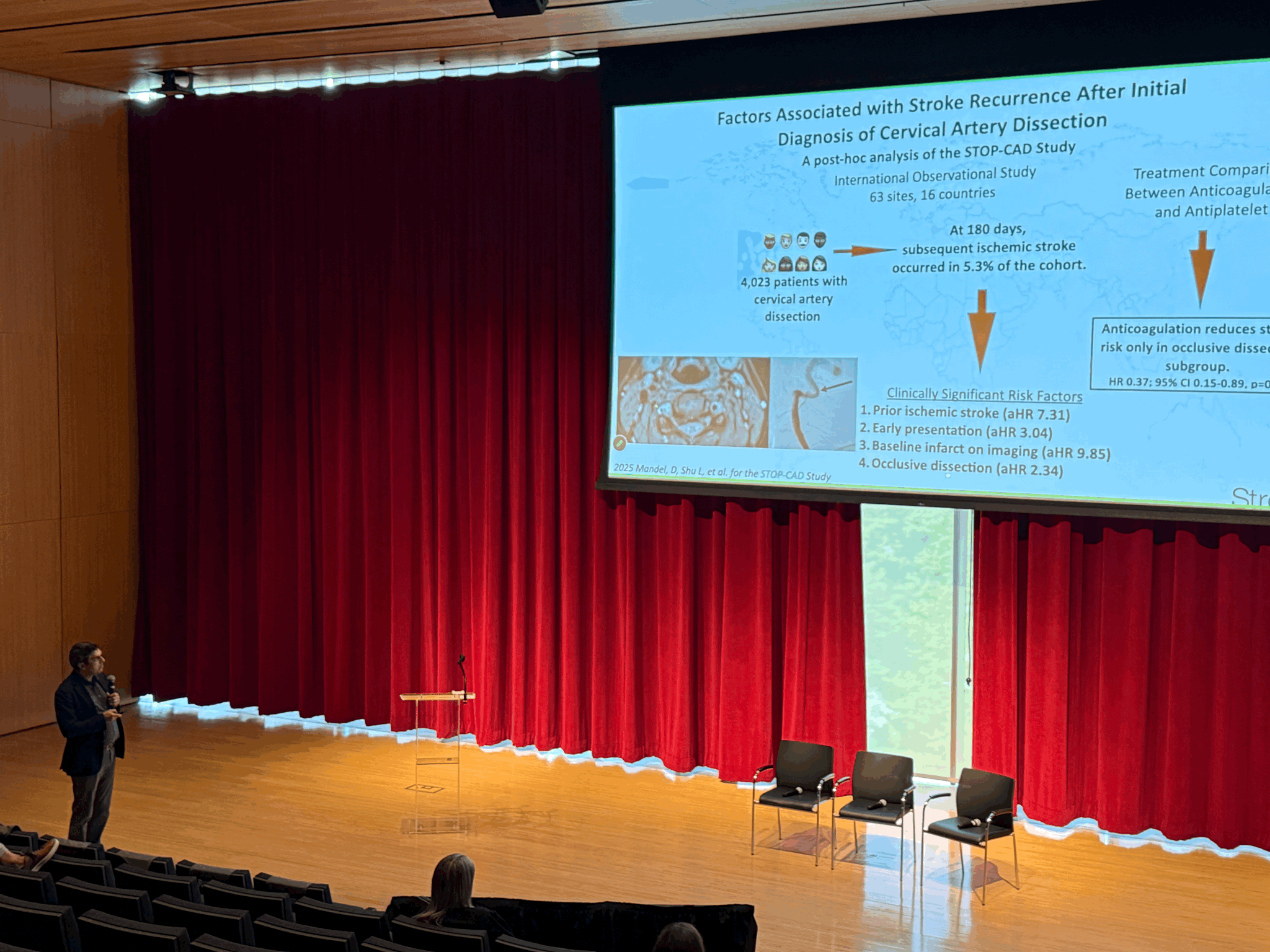
“Honored to take part in the University of Chicago Department of Neurology Neurosurgery UCM 2026 3rd Annual Stroke Symposium, where a packed room of neurologists, neurosurgeons, emergency physicians, and trainees spent the day stress-testing how we diagnose, treat, and prevent stroke.
The program spanned the full continuum of stroke care: acute reperfusion, secondary prevention, hemorrhage management, and systems-level care.
Highlights included:
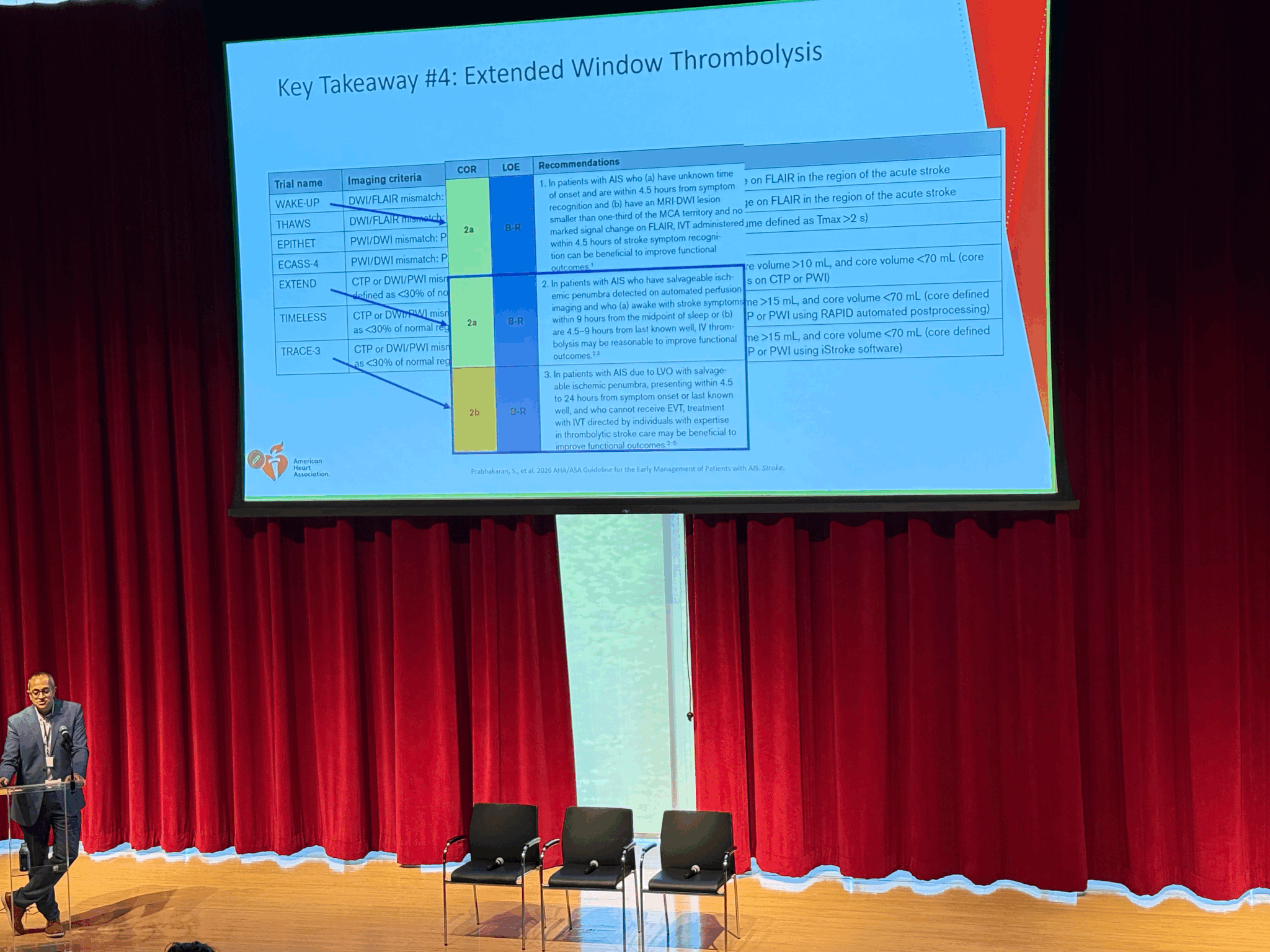
- Dr. Shyam Prabhakaran on translating AHA/ASA acute ischemic stroke guidelines into real-world decision-making
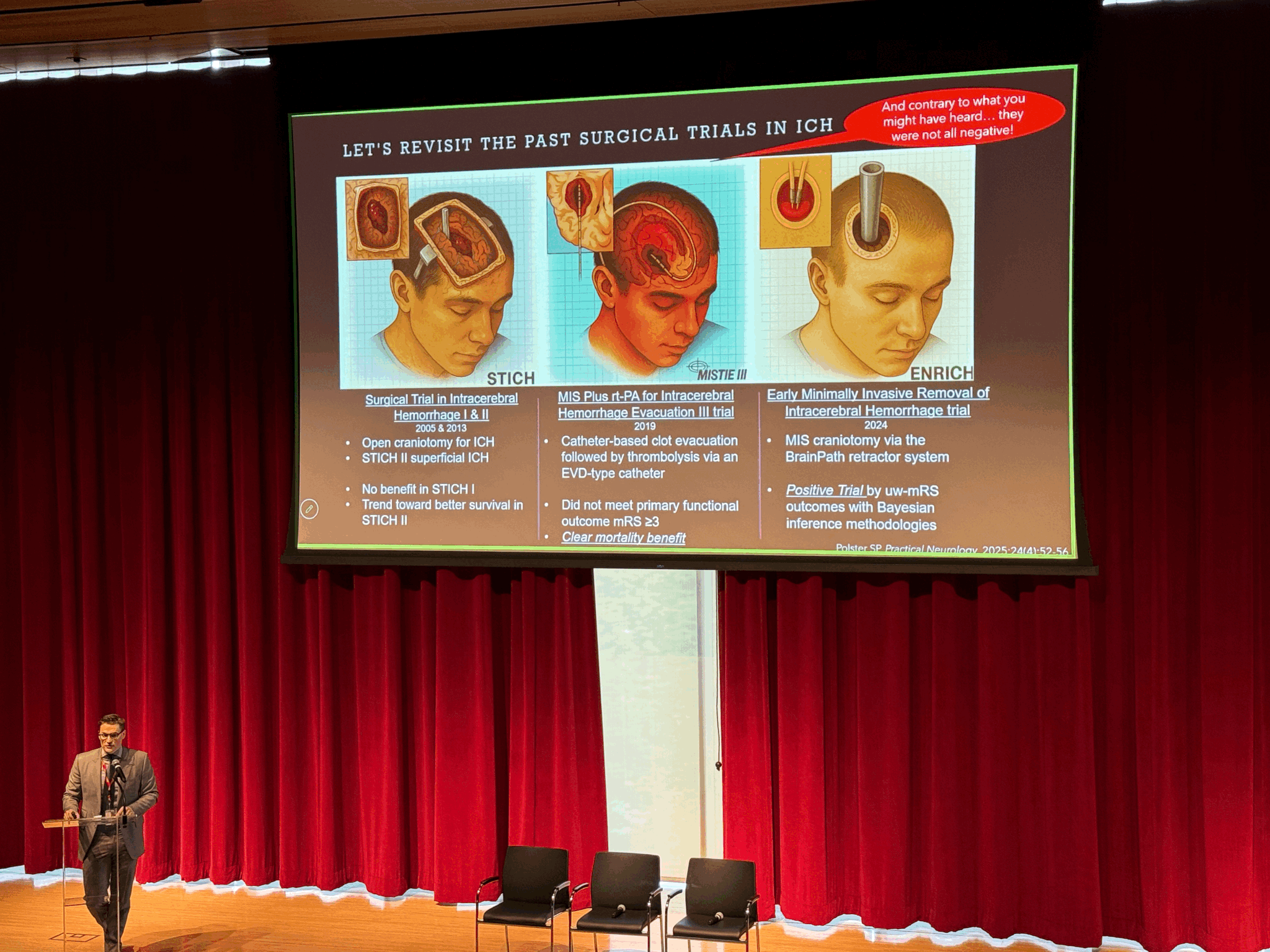
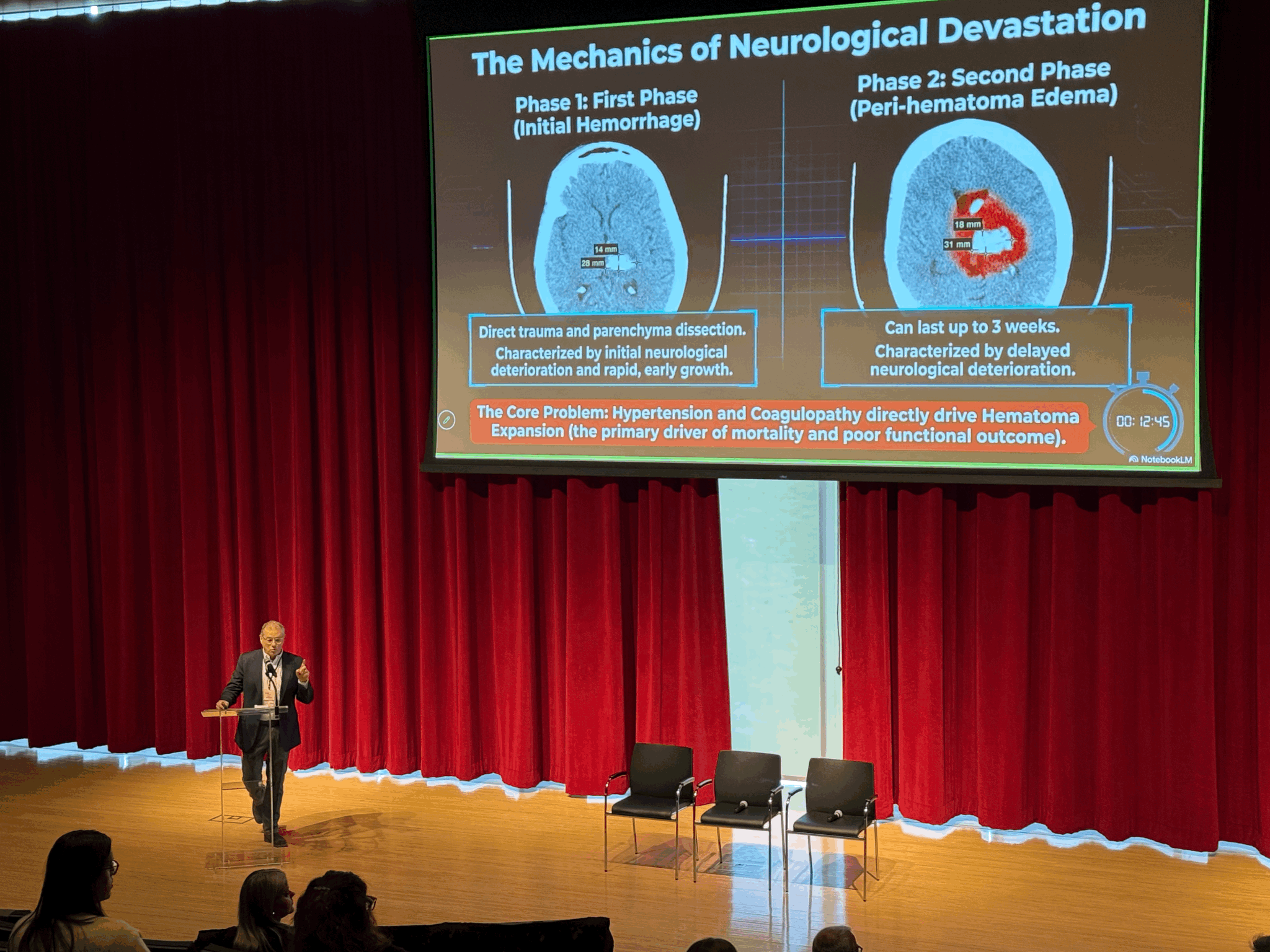
- Dr. Sean Polster on minimally invasive surgery for intracerebral hemorrhage and when it can shift the trajectory for patients
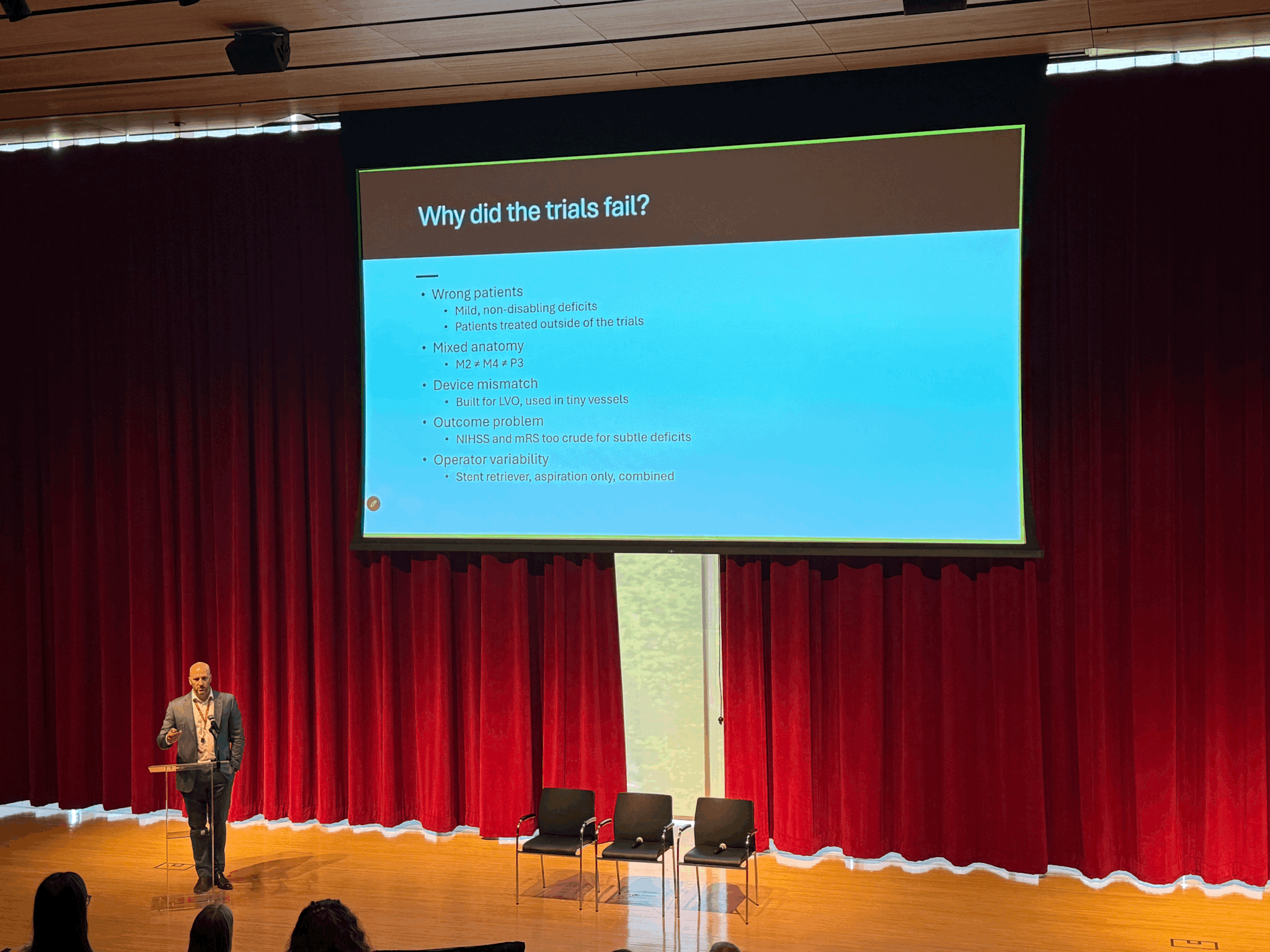
- Dr. Ryan Naylor on endovascular thrombectomy for medium and distal vessel occlusions and how far we can safely push the boundaries
- Dr. Fernando Goldenberg on building and running an effective Code ICH
- Dr. James Siegler on lipid-lowering therapy and what ‘aggressive’ really means in 2026
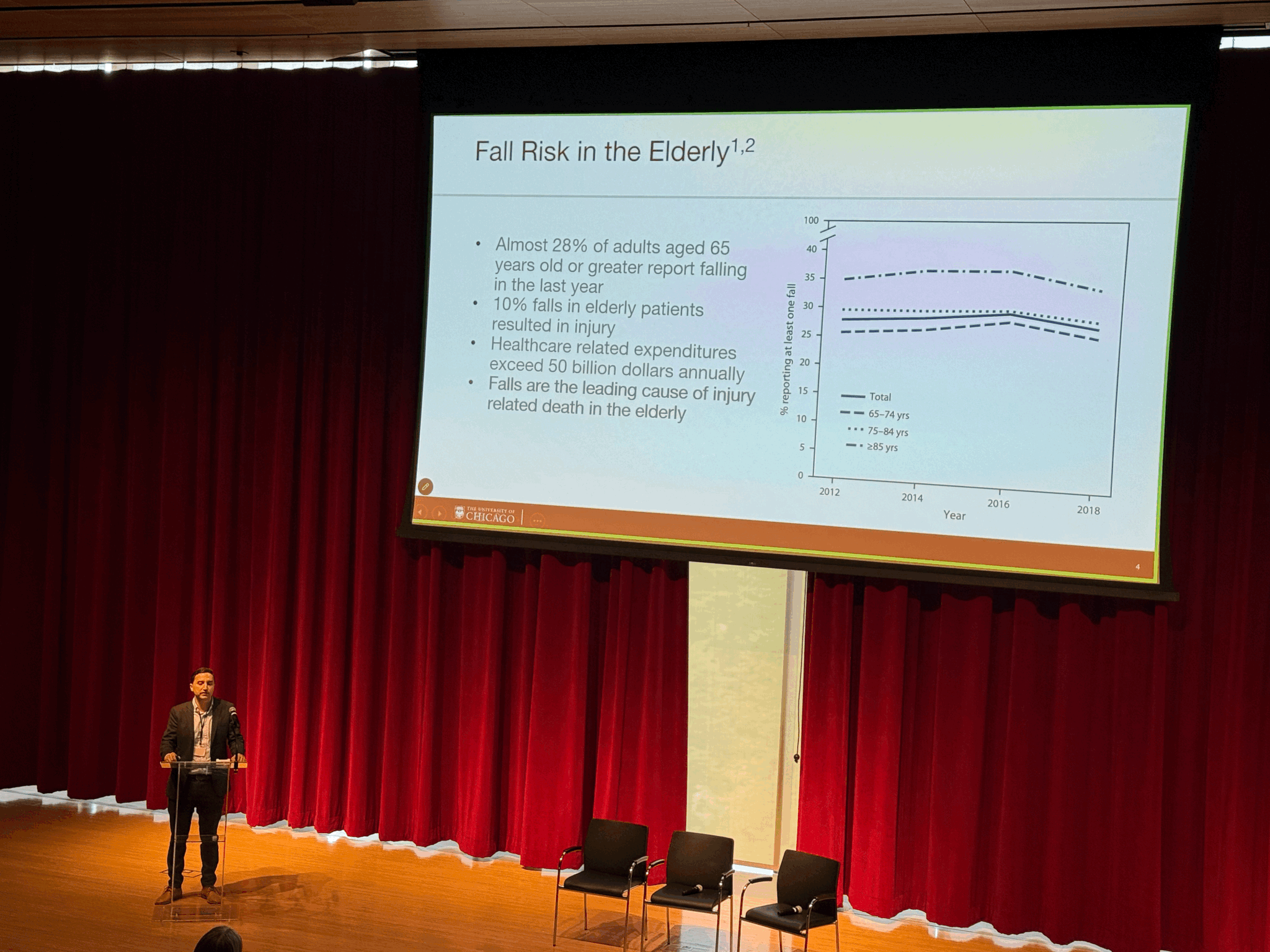
- Dr. Matthew Smith on falls, frailty, and how we think about intracranial bleeding risk in everyday practice
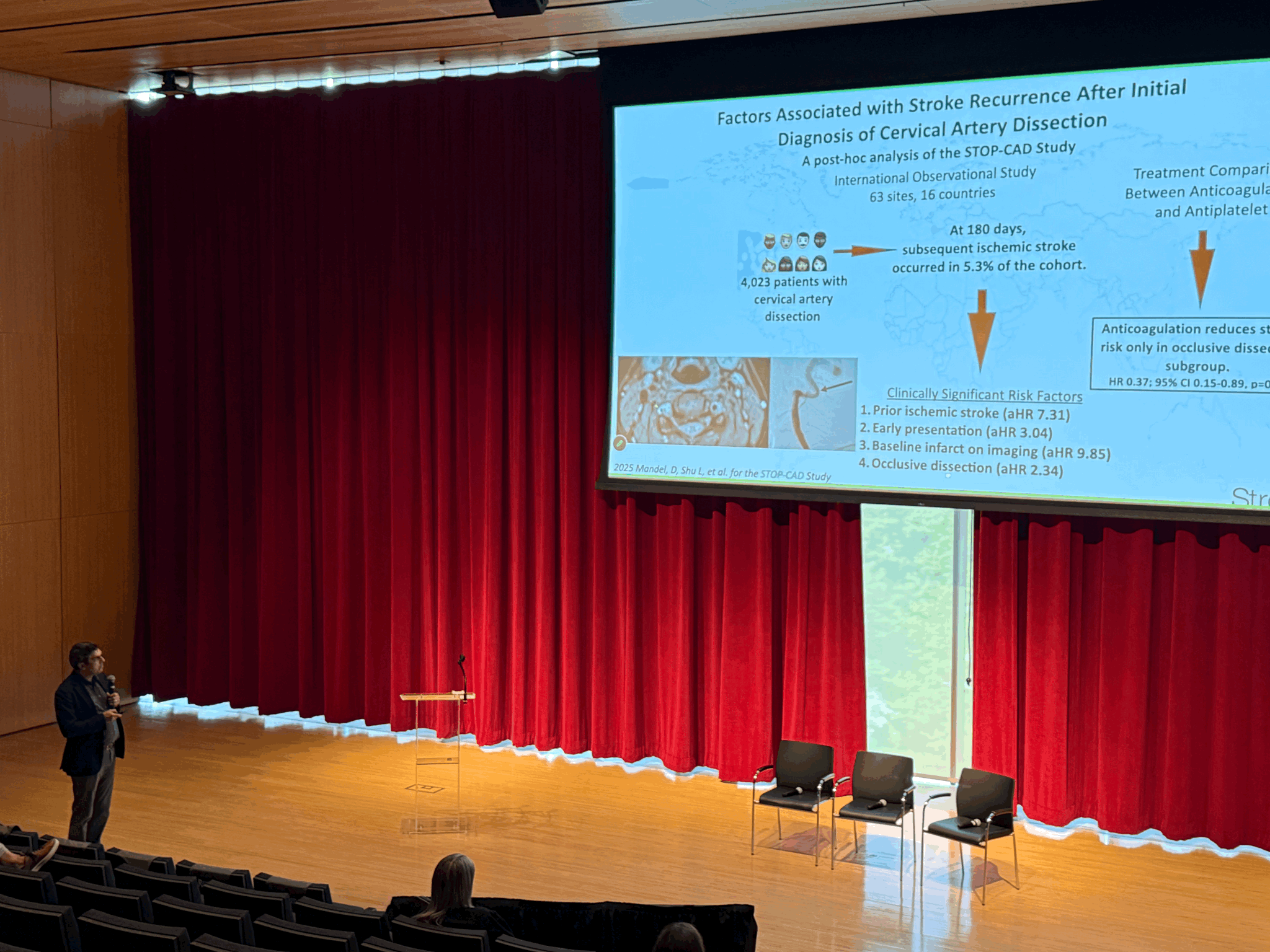
- Dr. Shadi Yaghi on cervical artery dissections and tailoring management to the individual patient
- Dr. Tareq Kass-Hout on intra-arterial stenting and evolving endovascular strategies
- Dr. Michael Hurley on carotid webs, an under-recognized cause of stroke
- A fiery but collegial debate between Dr. Richa Sharma and me on antiplatelet versus anticoagulation for LV dysfunction
And this was just a sample of the discussions.
There were many other high-yield sessions that made the day feel both humbling and energizing.
Grateful to the organizers and course directors for bringing together such a thoughtful, multidisciplinary group and for creating a space where people felt comfortable challenging dogma and focusing on what matters most:
better outcomes for patients and families.”
Stay updated with Hemostasis Today.
-
Sep 30, 2026, 01:52Javed Anees: DADA2 – When a Young Stroke Is More Than a Stroke
-
Sep 30, 2026, 01:51How a Venous Thrombus Becomes Revascularized – ISTH
-
Sep 29, 2026, 22:45Victor Agunyego: Paracetamol – The Most Common Drug We Underestimate
-
Sep 29, 2026, 22:42Nova Sinclair: Advancing the Future of Hematology – Meet Our 2027 Organizing Committee
-
Sep 29, 2026, 22:41Lorenz Räber: Intracoronary Imaging in PCI – Why, When, How, and Which Modality?
-
Sep 29, 2026, 22:31Selma Turkovic: Pleased to Deliver the Opening Presentation at Kingston Hospital
-
Sep 29, 2026, 22:31Miguel Teran: Ultrasound and Simulation in Arterial Blood Sampling
-
Sep 29, 2026, 22:28Mohammad Refaei: Navigating Your Career in Hematology From Training to Practice
-
Sep 29, 2026, 22:27Matteo Foschi: 10 Clinical Pearls for Antithrombotic Therapy in Secondary Stroke Prevention