

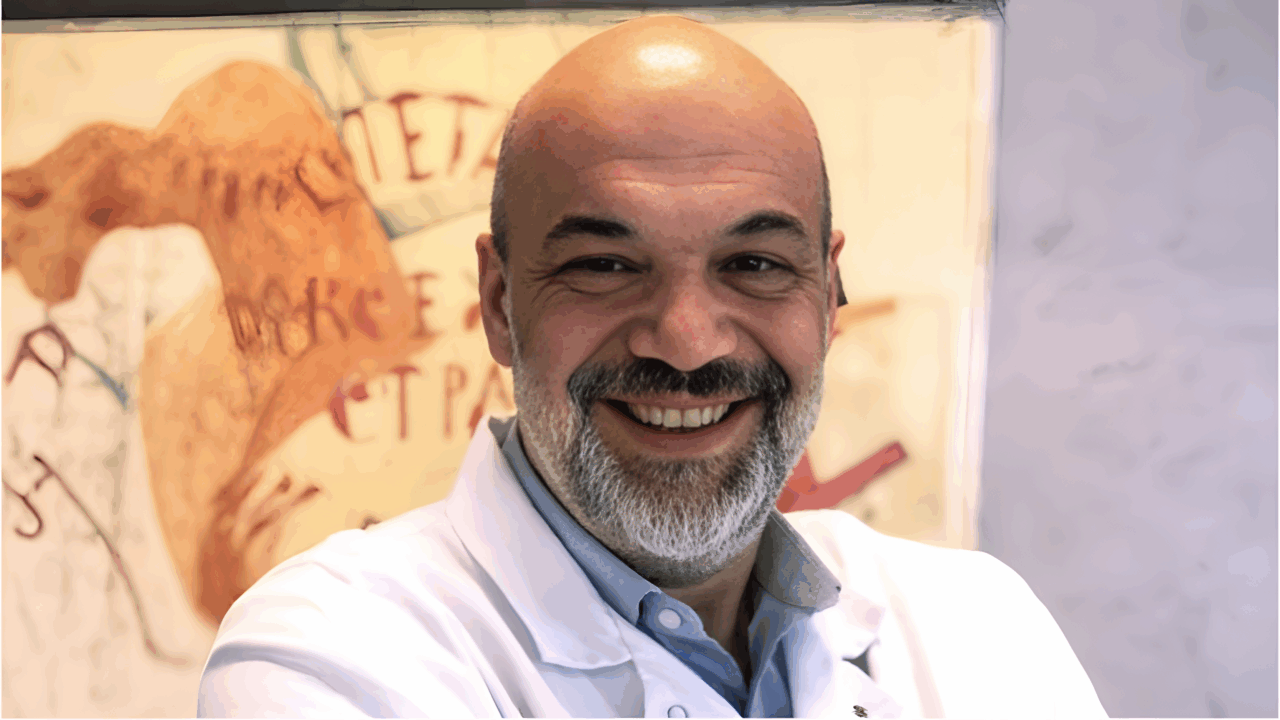
Grigoris Gerotziafas: The Evolving Landscape of Genetic Risk Assessment in VTE
Grigoris Gerotziafas, Director of the Cancer, Vessels, Biology, and Therapeutics (CaVITE) Research Department, Head of the CRSA at Sorbonne University, shared on LinkedIn about a recent article he and his colleagues co-authored, published in Polish Archives of Internal Medicine, adding:
”The VAS Group is pleased to announce the publication of our latest review article in the Polish Archives of Internal Medicine (PAIM):
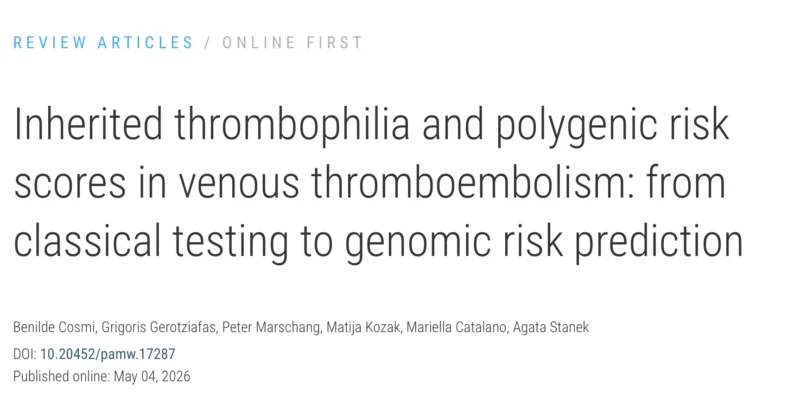
‘Inherited thrombophilia and polygenic risk scores in venous thromboembolism: from classical testing to genomic risk prediction’
This is an updated overview of the evolving landscape of genetic risk assessment in venous thromboembolism (VTE), moving from conventional inherited thrombophilia testing toward next-generation genomic and polygenic risk prediction approaches.
Key messages of the review include:
- The complex interaction between genetic, acquired, and environmental determinants of VTE
- The current and future role of classical thrombophilia testing (Factor V Leiden, Prothrombin G20210A, antithrombin, protein C and protein S deficiencies)
- The emergence of genome-wide association studies (GWAS)-derived polygenic risk scores as innovative tools for individualized VTE risk stratification
- The potential integration of genomic medicine into precision thrombosis prevention and management
- The major scientific and clinical barriers that still limit implementation in routine clinical practice
This publication highlights the growing importance of precision medicine and translational vascular science in the management of thrombotic disease.
Congratulations and sincere thanks to all co-authors and collaborators for this excellent international collaborative work.”
Title: Inherited thrombophilia and polygenic risk scores in venous thromboembolism: from classical testing to genomic risk prediction
Authors: Benilde Cosmi, Grigoris Gerotziafas, Peter Marschang, Matija Kozak, Mariella Catalano, Agata Stanek
Stay updated on all scientific advances with Hemostasis Today.
-
Sep 29, 2026, 03:53Nahrwan Masaoodi: Iron Deficiency Can Exist Without Anemia
-
Sep 29, 2026, 03:38Muhammad Yousaf: Iron Deficiency Beyond Diet
-
Sep 29, 2026, 03:21Parvez Ahmed Chowdhury: Synthesizing Aspirin in the Organic Chemistry Lab
-
Sep 29, 2026, 03:12Ahmed Hamandi: Building the Future of Hematopoietic Transplantation in Iraq
-
Sep 29, 2026, 03:09M V Chandrakanth: Aspirin in CRC – Old Drug, New Precision Oncology?
-
Sep 29, 2026, 03:07Caroline Pothet: Advancing Treatment Development in Sickle Cell Disease and Thalassaemia
-
Sep 29, 2026, 02:53Astha Jain: Thalassemia Care Through a Public Health Lens
-
Sep 29, 2026, 02:50Emma Groarke: Starting a New Career Path in Homeland
-
Sep 28, 2026, 19:14Aditya Sharma: An Outstanding Start to the Final Day of VSS 2026!