


Taeun Kang: Beyond Traditional ‘Blood Thinners’ – Cardiovascular and Thrombosis Therapeutics
Taeun Kang, Founder and Chief Growth Officer of Manhattan Signal, shared a post on LinkedIn:
“Pause and Note – Cardiovascular and Thrombosis Therapeutics
As shared previously, I have been spending more time independently researching cardiovascular therapeutics, thrombosis prevention, and emerging RNA-based medicines simply out of personal interest and curiosity around where the biotech and pharmaceutical industries may be heading.
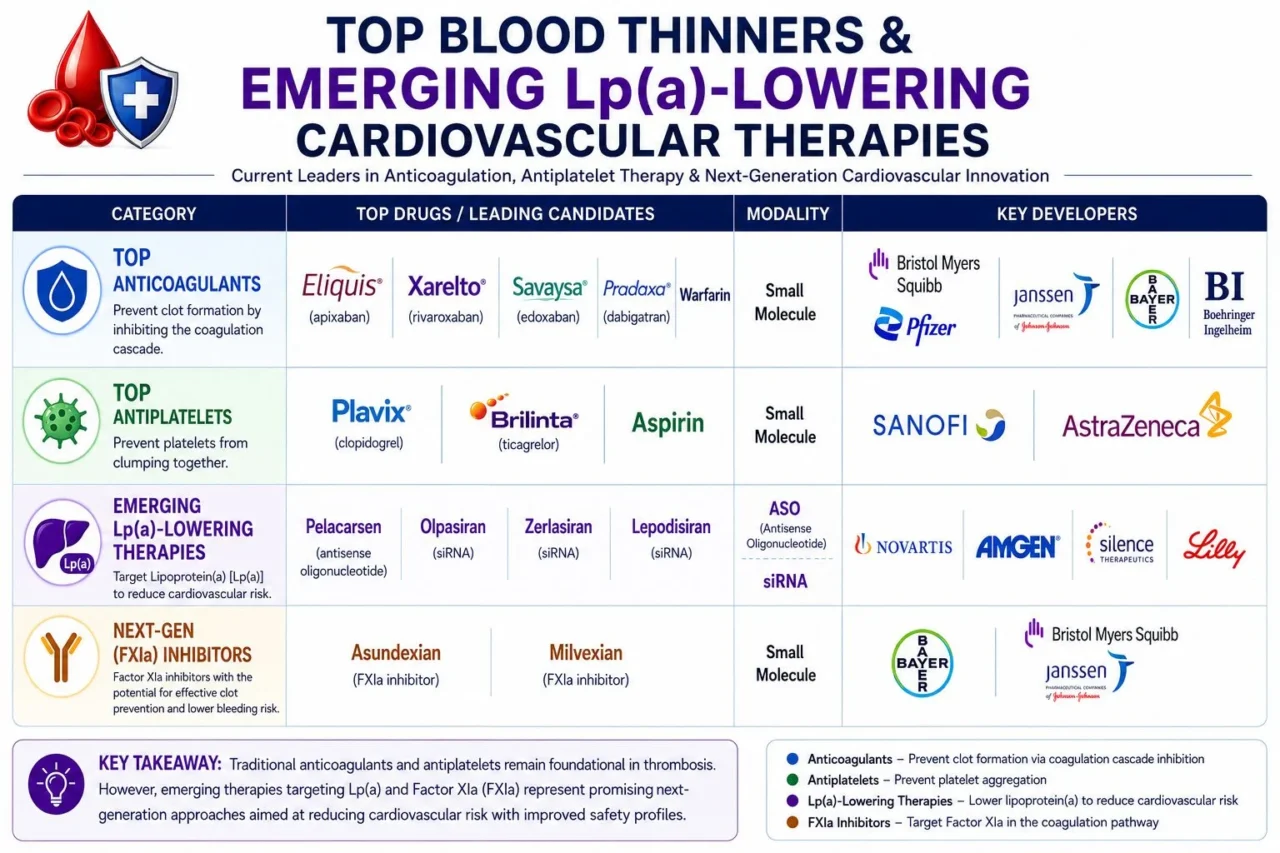
Based on my research, below is a high-level market snapshot that I thought some people in biotech/pharma – and especially families impacted by cardiovascular conditions – may also find interesting.
It appears that the landscape is evolving beyond traditional ‘blood thinners’ into much more targeted next-generation cardiovascular approaches.
Current leaders still include major anticoagulants and antiplatelet therapies such as:
- Eliquis
- Xarelto
- Pradaxa
- Plavix
- Brilinta
At the same time, increasing attention appears to be shifting toward:
- Lp(a)-lowering therapies
- FXIa inhibitors
- RNA-based cardiovascular medicines
- Precision thrombosis prevention
Particularly interesting is the growing focus around Lipoprotein(a) [Lp(a)], which continues drawing attention in cardiovascular risk and thrombosis research.
Some major programs currently being watched across the industry include:
- Pelacarsen – Novartis
- Olpasiran – Amgen
- Zerlasiran – Silence Therapeutics
- Lepodisiran – Eli Lilly
I also found it fascinating how multiple modalities are emerging simultaneously, including:
- siRNA
- Antisense oligonucleotides (ASO)
- FXIa inhibition pathways
The intersection of RNA therapeutics, cardiovascular medicine, and preventative care may become one of the more important biotech themes of the next decade.
Question: How can we speed up these new emerging therapies?
To be continued”
Stay updated with Hemostasis Today.
-
Sep 30, 2026, 01:52Javed Anees: DADA2 – When a Young Stroke Is More Than a Stroke
-
Sep 30, 2026, 01:51How a Venous Thrombus Becomes Revascularized – ISTH
-
Sep 29, 2026, 22:45Victor Agunyego: Paracetamol – The Most Common Drug We Underestimate
-
Sep 29, 2026, 22:42Nova Sinclair: Advancing the Future of Hematology – Meet Our 2027 Organizing Committee
-
Sep 29, 2026, 22:41Lorenz Räber: Intracoronary Imaging in PCI – Why, When, How, and Which Modality?
-
Sep 29, 2026, 22:31Selma Turkovic: Pleased to Deliver the Opening Presentation at Kingston Hospital
-
Sep 29, 2026, 22:31Miguel Teran: Ultrasound and Simulation in Arterial Blood Sampling
-
Sep 29, 2026, 22:28Mohammad Refaei: Navigating Your Career in Hematology From Training to Practice
-
Sep 29, 2026, 22:27Matteo Foschi: 10 Clinical Pearls for Antithrombotic Therapy in Secondary Stroke Prevention