

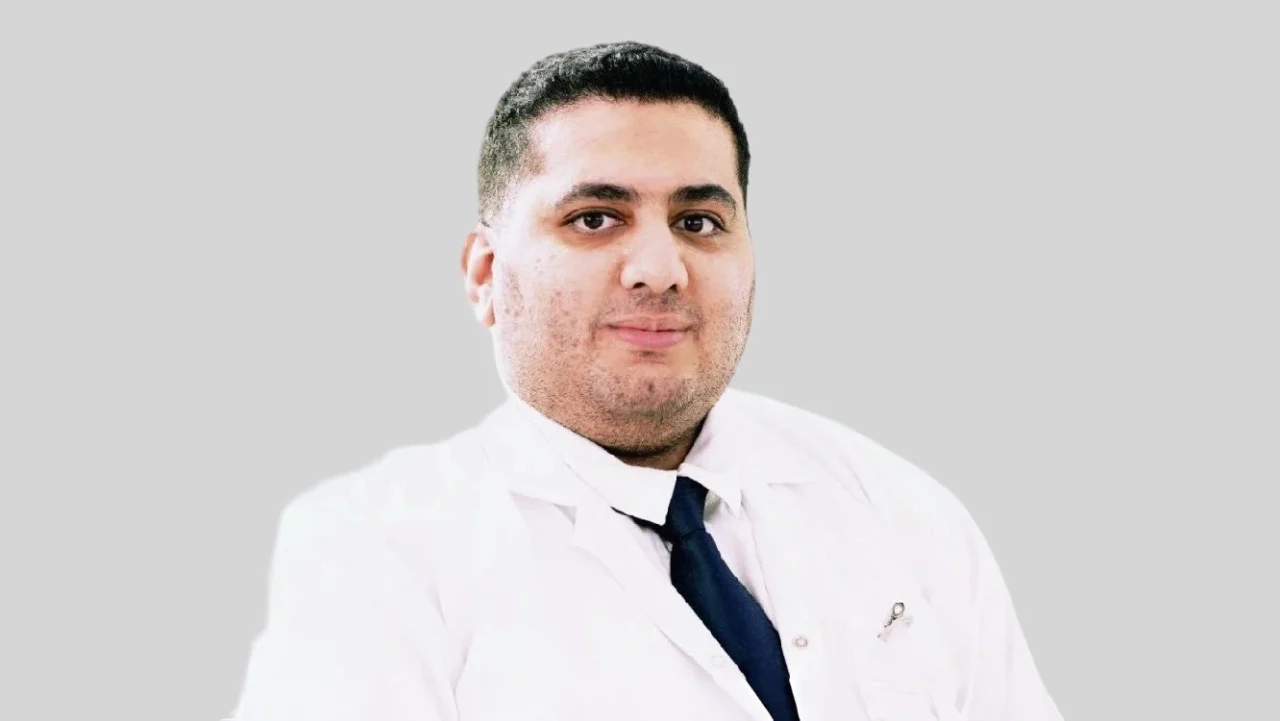
Abdulrahman Nasiri: How AI and Deep Learning May Help Reshape the Future of Thalassaemia Care
Abdulrahman Nasiri, Assistant Professor at Imam Muhammad ibn Saud Islamic University, shared a post on LinkedIn about a recent article he and his colleagues co-authored, published in Hemoglobin Journal, adding:
“Some publications feel more personal than others.
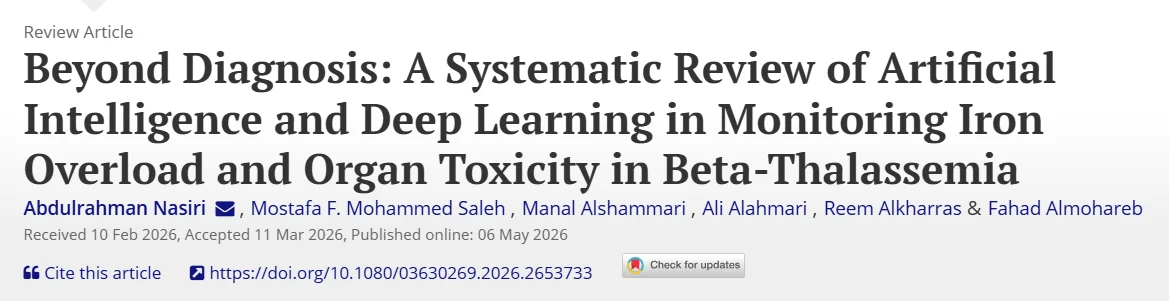
Honored to see our article, ‘Beyond Diagnosis: A Systematic Review of Artificial Intelligence and Deep Learning in Monitoring Iron Overload and Organ Toxicity in Beta-Thalassemia,’ published in Hemoglobin Journal alongside International Thalassaemia Day.
Thalassaemia is not defined only by transfusions or laboratory values.
Behind every MRI, ferritin level, and clinic visit is a patient navigating a lifelong journey that demands resilience, consistency, and hope.
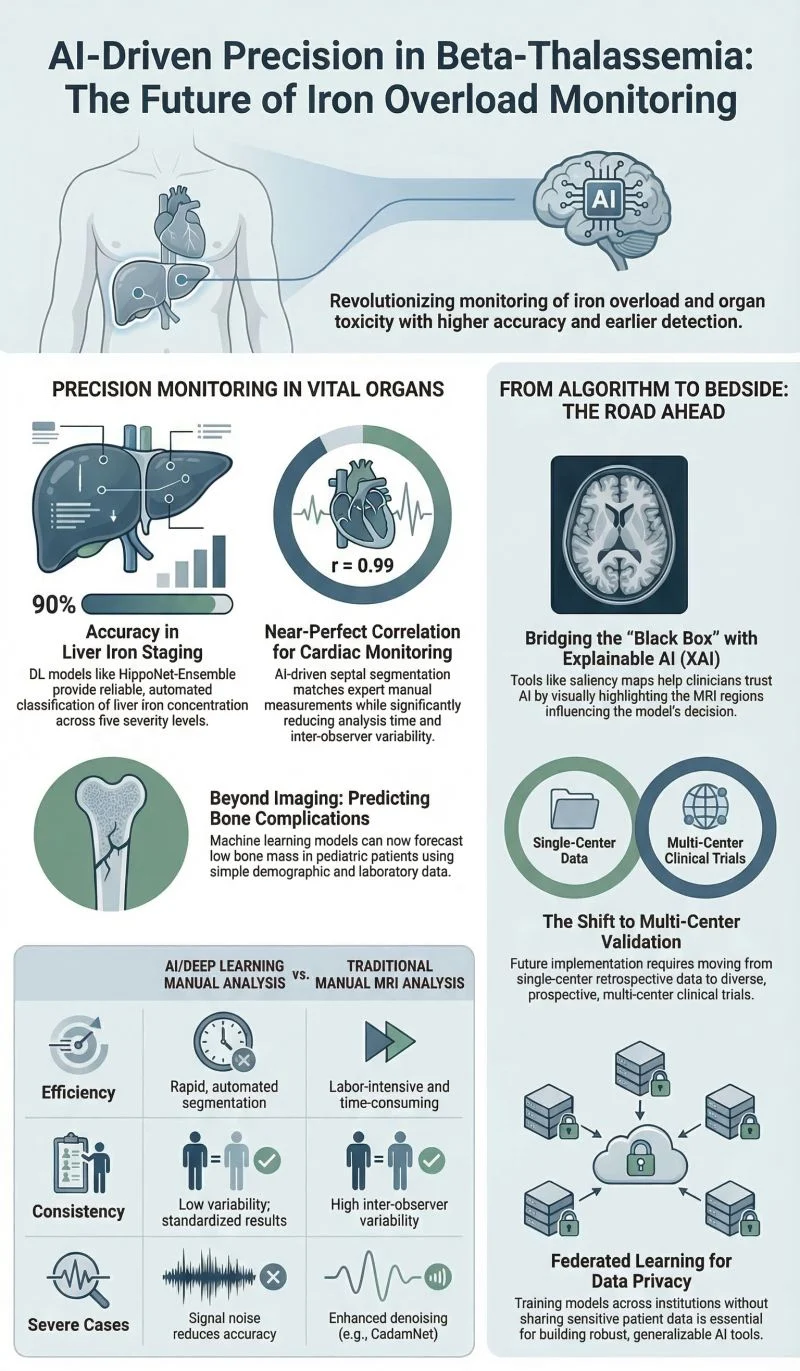
This review explored how artificial intelligence and deep learning may help reshape the future of thalassaemia care through:
- Smarter MRI interpretation
- Earlier recognition of cardiac and hepatic toxicity
- More precise monitoring of iron overload
- Better support for personalized clinical decisions
What makes this field exciting is not the technology itself, but what it can mean for patients.
Earlier intervention. Better protection of organs. More informed decisions. Better quality of life.
At the same time, medicine must approach AI responsibly. Innovation without validation has no place in patient care.
The future requires rigorous science, transparency, and collaboration between clinicians, researchers, and data scientists.
Proud to have collaborated on this work with: Dr. Mostafa Faisal Mohammed Saleh, Dr. Manal Alshammari, Dr. Ali Alahmari, Dr. Reem Alkharras, and Prof. Fahad Almohareb and Grateful to everyone worldwide advancing thalassaemia care and research.
Bringing Thal to Light.”
Title: Beyond Diagnosis: A Systematic Review of Artificial Intelligence and Deep Learning in Monitoring Iron Overload and Organ Toxicity in Beta-Thalassemia
Authors: Abdulrahman Nasiri, Mostafa F. Mohammed Saleh, Manal Alshammari, Ali Alahmari, Reem Alkharras, Fahad Almohareb
More posts featuring Abdulrahman Nasiri on Hemostasis Today.
-
Sep 25, 2026, 10:49Shefina S: From Presenting to Hosting at TRANSCON 2026
-
Sep 25, 2026, 10:37Michelle Leona Cecil: Hemophilia Advocacy and the Power of Community
-
Sep 25, 2026, 10:13Michael Baria: Platelet Concentration and PRP Outcomes in Partial Rotator Cuff Tears
-
Sep 25, 2026, 09:49Haley Coleman: Volunteering to Support Hemophilia Awareness
-
Sep 25, 2026, 08:55Hitarth Mehta: BHMS Students Gain Practical Exposure to Haemophilia Diagnosis
-
Sep 25, 2026, 07:25Varun Capoor: How Therapeutic Apheresis and Transfusion Medicine Can Complement Clinical Management in SCD
-
Sep 25, 2026, 07:14Manshi Kesharwani: SAK-GQDs Modulate Thrombus Burden and Endothelial Function in Deep Vein Thrombosis
-
Sep 25, 2026, 06:20Farjah Hassan Algahtani: How Can We Better Identify Patients at Risk of Blood Clots after Metabolic and Bariatric Surgery?
-
Sep 25, 2026, 05:59Carla Lewis: Kids Conquering Sickle Disease Joins Nemours Children’s Hospital for 2nd Annual Awareness Event