

Saeed Ahmed Memon: Can Hydralazine Stop Aggressive Brain Cancer Cells?
Saeed Ahmed Memon, Psychiatrist at Health Department Govt of SINDH Pakistan, shared a post on LinkedIn:
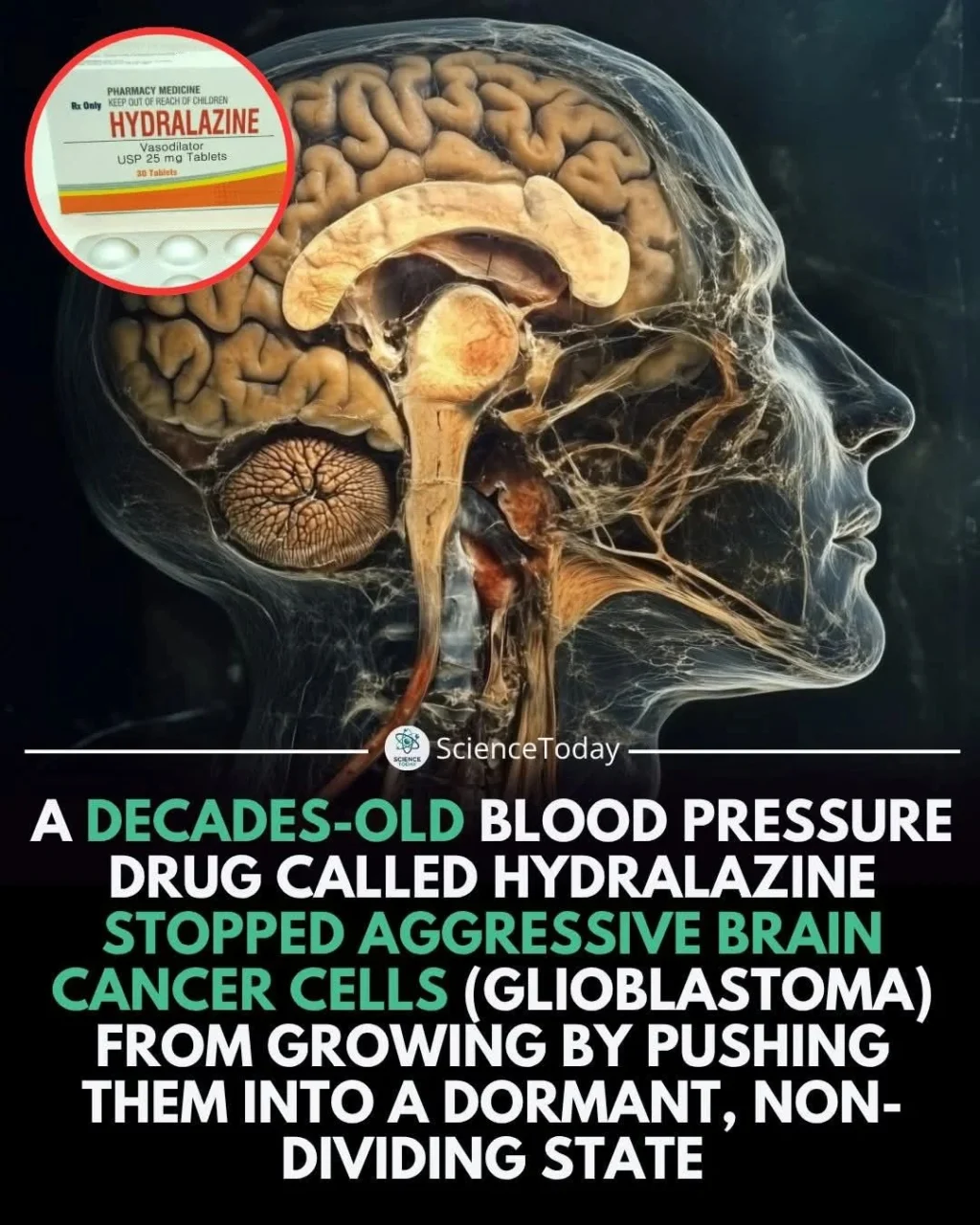
“Medical researchers at the University of Pennsylvania have recently unlocked the precise molecular secrets of Hydralazine, a cardiovascular medication that has been utilized globally for decades.
Scientists discovered that this established drug fundamentally works by blocking a specific oxygen-sensing enzyme known as ADO, which typically signals blood vessels to severely constrict when oxygen levels drop.
By actively shutting down this specific enzyme, the medication stabilizes cellular proteins and forces blood vessels to relax.
However, while mapping this exact cardiovascular mechanism, researchers stumbled upon an incredible secondary application regarding one of the most notoriously aggressive forms of brain cancer.
The exact oxygen-sensing pathway that constricts blood vessels is identically utilized by Glioblastoma tumors to survive and thrive in low-oxygen environments.
When scientists applied Hydralazine to these malignant cells, the medication did not kill them directly, but instead trapped the cancer in a dormant, non-dividing state known as senescence, abruptly halting the tumor’s growth.
This remarkable scientific breakthrough highlights the massive, untapped potential of repurposing established, safety-tested pharmaceutical compounds to combat highly complex oncological challenges.”
Stay updated with Hemostasis Today.
-
Nov 18, 2026, 01:34Zeeshan Ahmed Khattak: Treatment of Fever and Neutropenia in Hematology/Oncology and Hematopoietic Cell Transplant Patients
-
Nov 17, 2026, 23:45Cajetan Reichardt: LAAO vs. OAC in AF – Balancing Nonprocedural Bleeding and Ischemic Stroke Risk
-
Nov 17, 2026, 23:42Brian Tegtmeyer: Expanding Pre-Hospital Administration of Low-Titer O Positive Whole Blood
-
Nov 17, 2026, 23:41Mansi Kala: Advancing Hematology – From Evidence to Clinical Excellence
-
Nov 17, 2026, 23:40Nathan Connell: Registered for the WFH Comprehensive Care Summit 2027 in Prague
-
Nov 17, 2026, 23:38Yaariv Khaykin: Does Reducing AF Burden After Ablation Change the Need for Anticoagulation?
-
Nov 17, 2026, 23:38Amos Gitonga Mbaabu: Strengthening Care and Advocacy for Haemophilia and SCD across Southern Africa
-
Nov 17, 2026, 23:35Muhammad Sameed Altaf: A Decade of Working Together for Thalassemia Awareness and Patient Support
-
Nov 17, 2026, 23:34Ahmed Bennis: Is Aspirin Therapy Enough for VTE Prevention After Arthroplasty?