


ISBT: The Universal Language of Safe Blood Transfusion – Ali AlBahar
Ali AlBahar, Transfusion Medicine Specialist, Hematology and Blood Transfusion Researcher (MSc) at Ministry of Health Saudi Arabia, shared a post on LinkedIn:
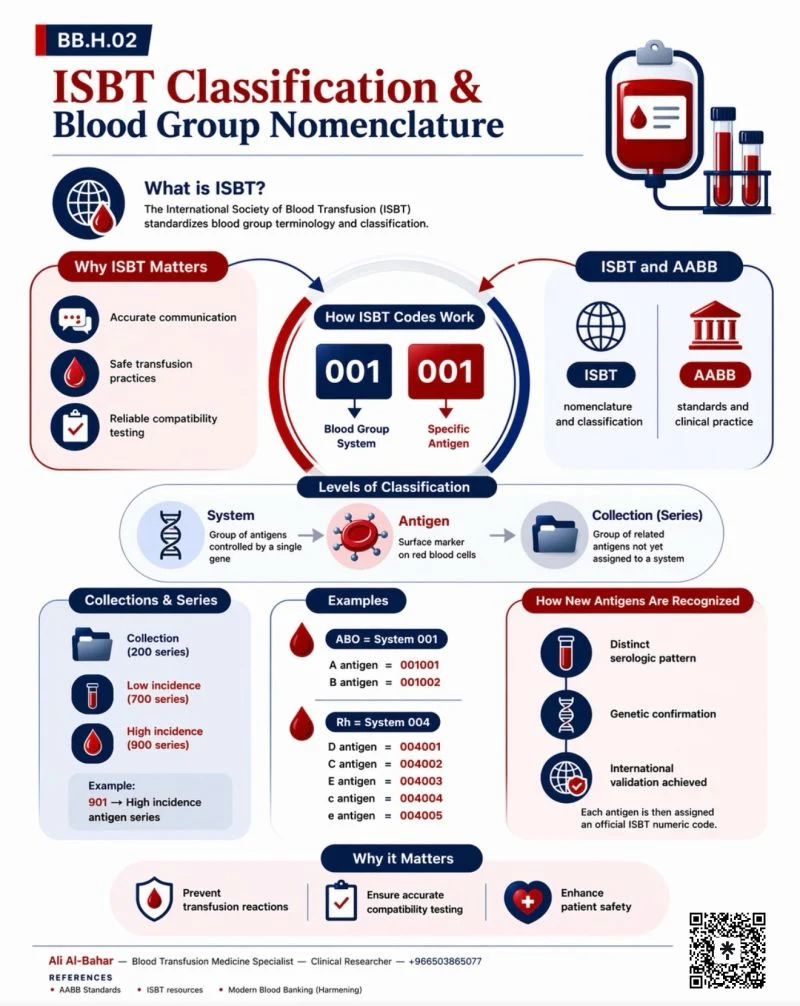
”In blood transfusion, it’s not just about matching types… it’s about speaking the same global language.
That language is ISBT.
The ISBT classification system standardizes how we define blood group systems and antigens—ensuring clear communication, accurate testing, and safer transfusions.
Blood Group System – a set of antigens encoded by a single gene or closely linked genes at one genetic locus
Antigen – a specific molecular structure (usually a protein or carbohydrate) on the red cell membrane capable of being recognized by antibodies
Why does this matter?
- Reduces laboratory miscommunication
- Improves compatibility testing accuracy
- Enhances patient safety in every transfusion
Each antigen is rigorously defined and internationally validated before being assigned an ISBT code.
Small details make a big difference in transfusion medicine.”
Stay updated with Hemostasis Today.
-
Oct 20, 2026, 16:51Suzan Nakasendwa: A Growing Stroke Challenge in Uganda
-
Oct 20, 2026, 16:38Steve Moon: How Does Smoking Cessation Duration Affect Ischemic Stroke Risk
-
Oct 20, 2026, 16:25Cedrice Mentor: Reducing Platelet Wastage Through Cold Storage
-
Oct 20, 2026, 16:09Thirunavukkarasu Angappan: Can a Purified Fibrinogen Concentrate Replace Cryoprecipitate
-
Oct 20, 2026, 16:01Kalyan Roy: Platelet Conservation Through Evidence-Based Transfusion Practice
-
Oct 20, 2026, 15:28Stacy E. Croteau: 33 Countries, One Mission – Better Bleeding Disorder Care
-
Oct 20, 2026, 15:19Teresa Barnes: What Does a Pulmonary Embolism Mean for Jalen Hurts?
-
Oct 20, 2026, 15:04Laura S.: Could Speaking Up Prevent Maternal Deaths from Thrombosis?
-
Oct 20, 2026, 14:44Pete Stibbs: VTE in Professional Athletes – When Fitness Is Not Enough