

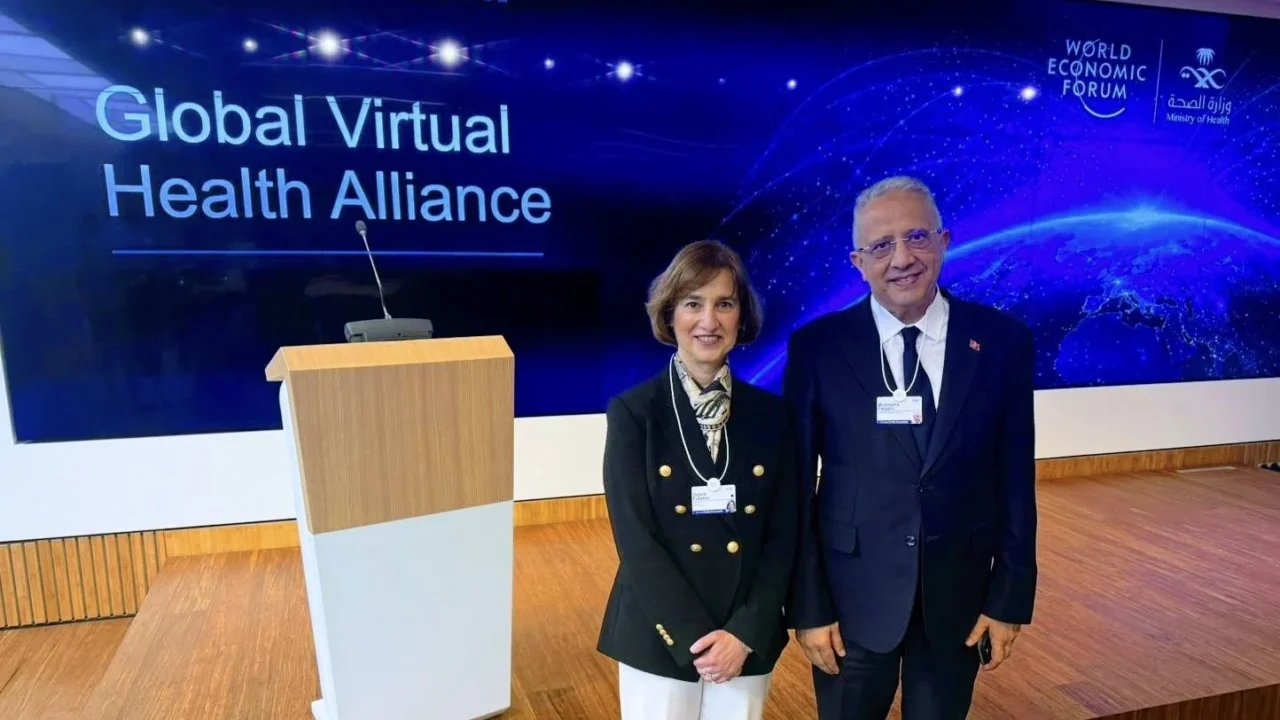
Ozlem Fidanci: Reflections From WHA79 on the Future of Stroke Care
Ozlem Fidanci, Chief of International Region at Philips, Member of Executive Committee, shared on LinkedIn:
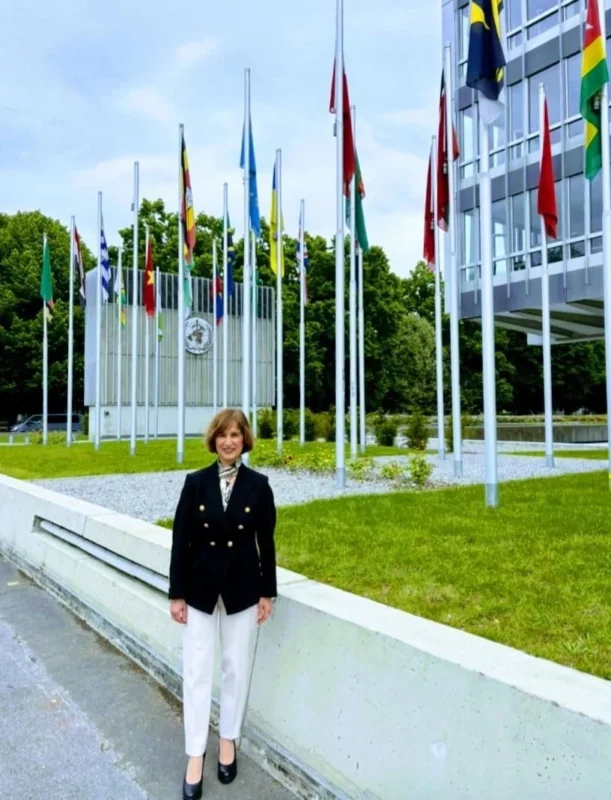
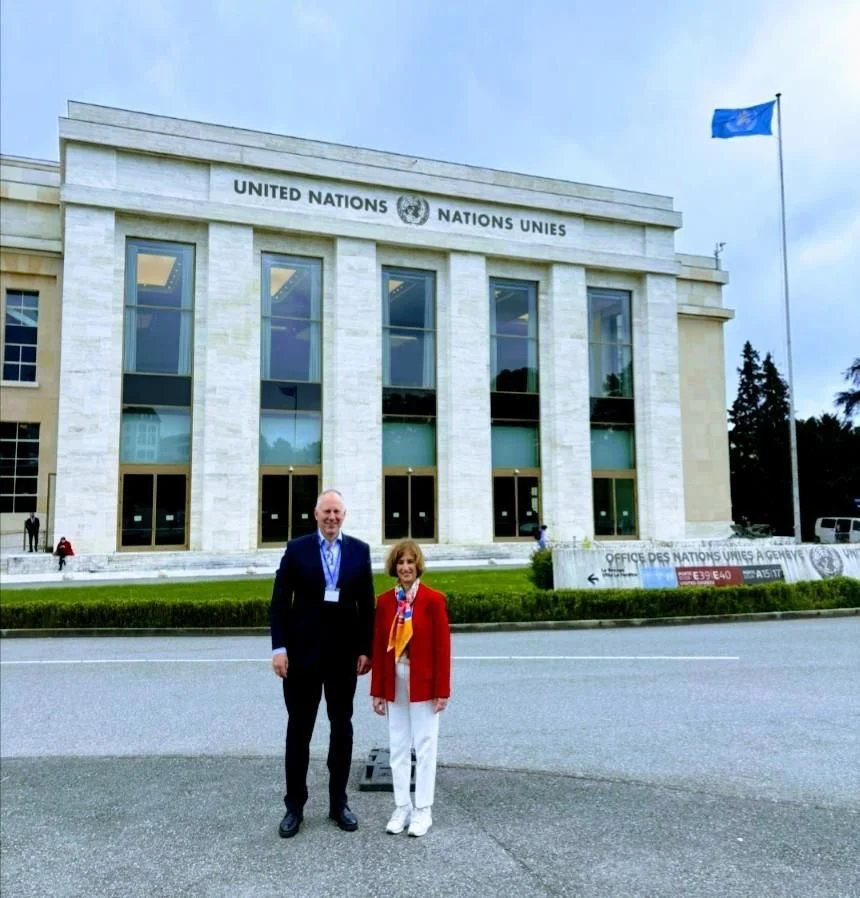
”It’s been a packed and energizing week at WHA79 in Geneva, and so encouraging to see how strongly the global health conversation is shifting toward prevention, earlier diagnosis, AI-enabled care, and more resilient healthcare systems.
Over the past few days, I had the opportunity to engage with Ministers of Health, policymakers, and partners from across many of our markets on key priorities: improving access to care, strengthening health system resilience, and scaling innovation through AI and digital health.
A major milestone was the adoption of WHA resolutions on Stroke Care and Diagnostic Imaging through Teleradiology, two important areas where Philips was proud to help convene discussions and co-organize events alongside partners and governments.
For stroke care, the focus is clear: improving access to early diagnosis, timely treatment, and post-stroke care, while advancing technologies such as Mechanical Thrombectomy that can significantly improve patient outcomes.
On diagnostic imaging and teleradiology, momentum is growing around scalable digital and AI-supported solutions that can expand access to imaging, improve diagnostic confidence and speed, and enable earlier detection of disease particularly in underserved communities.
Early diagnosis remains one of the most powerful ways to improve outcomes and reduce pressure on health systems.
Another important topic was raising awareness around global helium supply volatility and the potential impact on continuity of MRI services.
Advancing helium-free and low-helium MRI solutions will be critical to building more resilient and sustainable imaging infrastructure.
I also appreciated the opportunity to join discussions at the World Economic Forum dinner on AI, digital health, pandemic preparedness, and NCDs, reinforcing the importance of collaboration across governments, industry, and global health partners.
Thank you so much to all partners and colleagues for the conversations and continued collaboration throughout the week and beyond!”
Stay updated with Hemostasis Today.
-
Oct 6, 2026, 22:43Alessandra Bosch: Pediatric GTH Opens with Regional Experts Convening on Pediatric Hemostasis and Thrombosis
-
Oct 6, 2026, 22:39Managing Thrombotic Risk in Pregnancy: How the Lab May Help – Sysmex Europe
-
Oct 6, 2026, 22:33Ahmet Davut Aksu: A Multi-Objective Approach to Enhance Fibrinolysis, Selectivity, and Inhibition Resistance
-
Oct 6, 2026, 22:29Muhammad Abubakar: New Study on Iron Biology to Be Presented at ASH 2026 and Published in Blood
-
Oct 6, 2026, 22:24David McIntosh: Calling On Decision-Makers to Prioritize Donors and Clinical Access During IPAW 2026
-
Oct 6, 2026, 22:21Zoltan Nagy: With All Eyes on Optogenetics Today, What Can It Do in Megakaryocytes and Platelets?
-
Oct 6, 2026, 22:13Khalid A. Fakhro: Sidra Medicine Hosts RAPID 2026 Advancing Diagnostics and Treatments for Inborn Errors of Immunity
-
Oct 6, 2026, 22:04Denis Oduor: Preparedness for Postpartum Haemorrhage Must Include Preparedness for Blood
-
Oct 6, 2026, 21:57Farhad Moradpour: Health Equity and Public Health – What Drives Anemia Disparities in Ethnic Minority Populations?