

Chidinma Favour։ Welcome to Day 25 of My 31-Day Stroke Awareness Series
Chidinma Favour, Pharmacy Student, Aspiring Researcher in Cancer, shared a post on LinkedIn:
”Welcome to Day 25 of My 31-Day Stroke Awareness Series
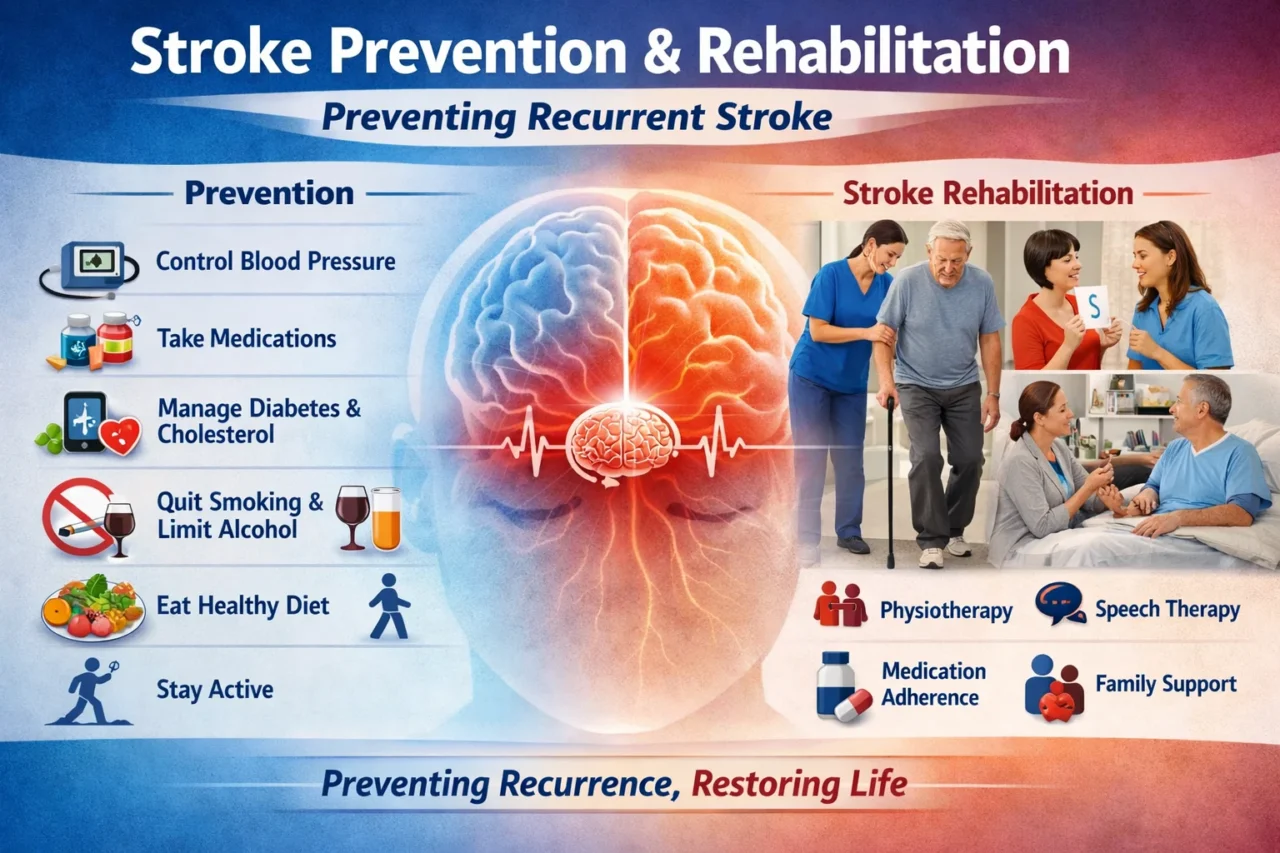
Stroke Prevention And Rehabilitation: Preventing Reccurent Stroke
Surviving a stroke is only the beginning of the recovery journey. Unfortunately, stroke survivors remain at increased risk of experiencing another stroke, often with more severe complications and long-term disability.
Research shows that recurrent strokes are associated with higher mortality rates, greater neurological impairment, and reduced quality of life compared to first-time strokes.
The good news is that many recurrent strokes can be prevented through effective secondary prevention strategies.
Key measures for preventing recurrent stroke include:
- Strict blood pressure control hypertension remains the leading modifiable risk factor for recurrent stroke.
- Adherence to prescribed medications such as antiplatelets, anticoagulants, statins, and antihypertensives.
- Effective management of diabetes, high cholesterol, and cardiovascular diseases to reduce further vascular damage.
- Smoking cessation and limiting alcohol intake, both of which contribute to increased stroke risk and vascular inflammation.
- Regular physical activity and a heart-healthy diet rich in fruits, vegetables, whole grains, and healthy fats.
- Early detection and management of conditions such as atrial fibrillation, which can increase the risk of clot formation and ischemic stroke.
According to the World Stroke Organization and the American Heart Association, comprehensive secondary prevention strategies can substantially reduce the likelihood of recurrent stroke and improve long-term outcomes for survivors.
Rehabilitation and prevention must go hand in hand.
Recovery does not stop after discharge from the hospital. Continuous follow-up care, patient education, physiotherapy, speech therapy, medication adherence, and family support all play essential roles in helping stroke survivors regain independence while reducing the risk of recurrence.
Every healthy choice, every rehabilitation session, and every preventive measure taken is another step toward protecting the brain and improving quality of life.՛՛
Stay updated with Hemostasis Today.
-
Oct 20, 2026, 16:51Suzan Nakasendwa: A Growing Stroke Challenge in Uganda
-
Oct 20, 2026, 16:38Steve Moon: How Does Smoking Cessation Duration Affect Ischemic Stroke Risk
-
Oct 20, 2026, 16:25Cedrice Mentor: Reducing Platelet Wastage Through Cold Storage
-
Oct 20, 2026, 16:09Thirunavukkarasu Angappan: Can a Purified Fibrinogen Concentrate Replace Cryoprecipitate
-
Oct 20, 2026, 16:01Kalyan Roy: Platelet Conservation Through Evidence-Based Transfusion Practice
-
Oct 20, 2026, 15:28Stacy E. Croteau: 33 Countries, One Mission – Better Bleeding Disorder Care
-
Oct 20, 2026, 15:19Teresa Barnes: What Does a Pulmonary Embolism Mean for Jalen Hurts?
-
Oct 20, 2026, 15:04Laura S.: Could Speaking Up Prevent Maternal Deaths from Thrombosis?
-
Oct 20, 2026, 14:44Pete Stibbs: VTE in Professional Athletes – When Fitness Is Not Enough