

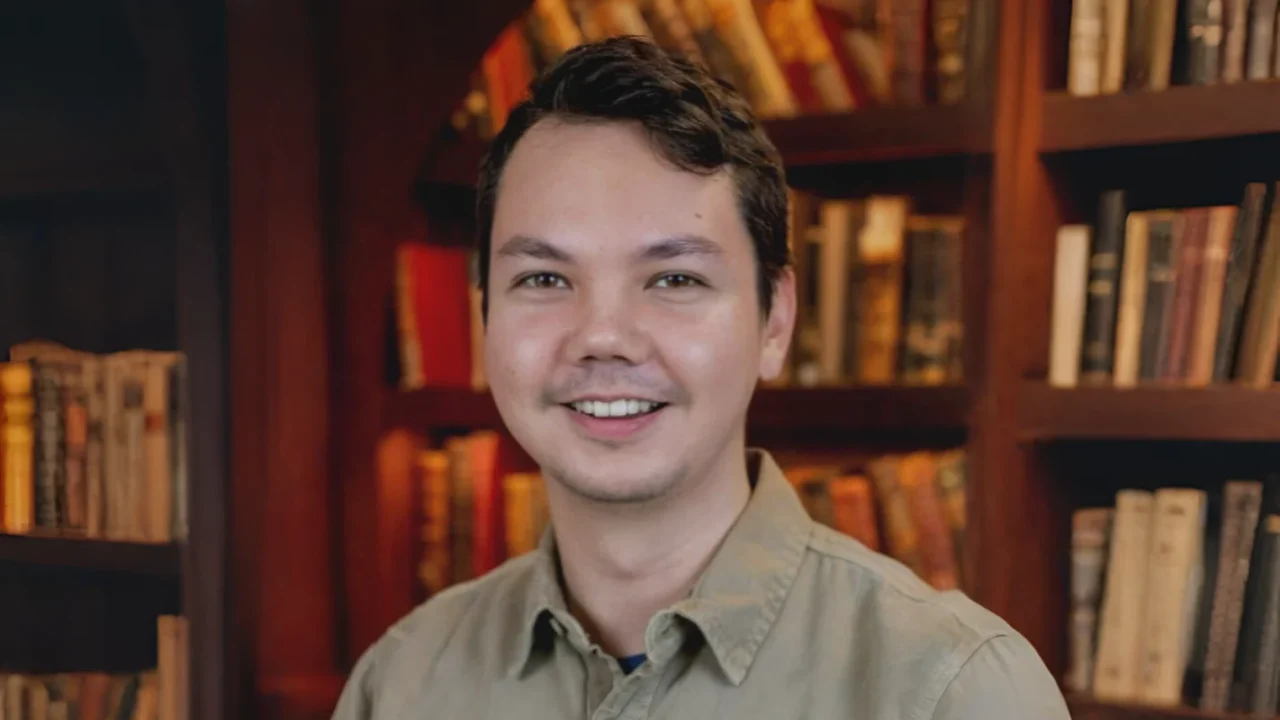
James Farrell: The Power of Linked Electronic Health Records for Understanding Real Patient Journeys
James Farrell, Data Engineer at Our Future Health UK, shared on LinkedIn about a recent article he and his colleagues co-authored, published in BMJ Open, adding:
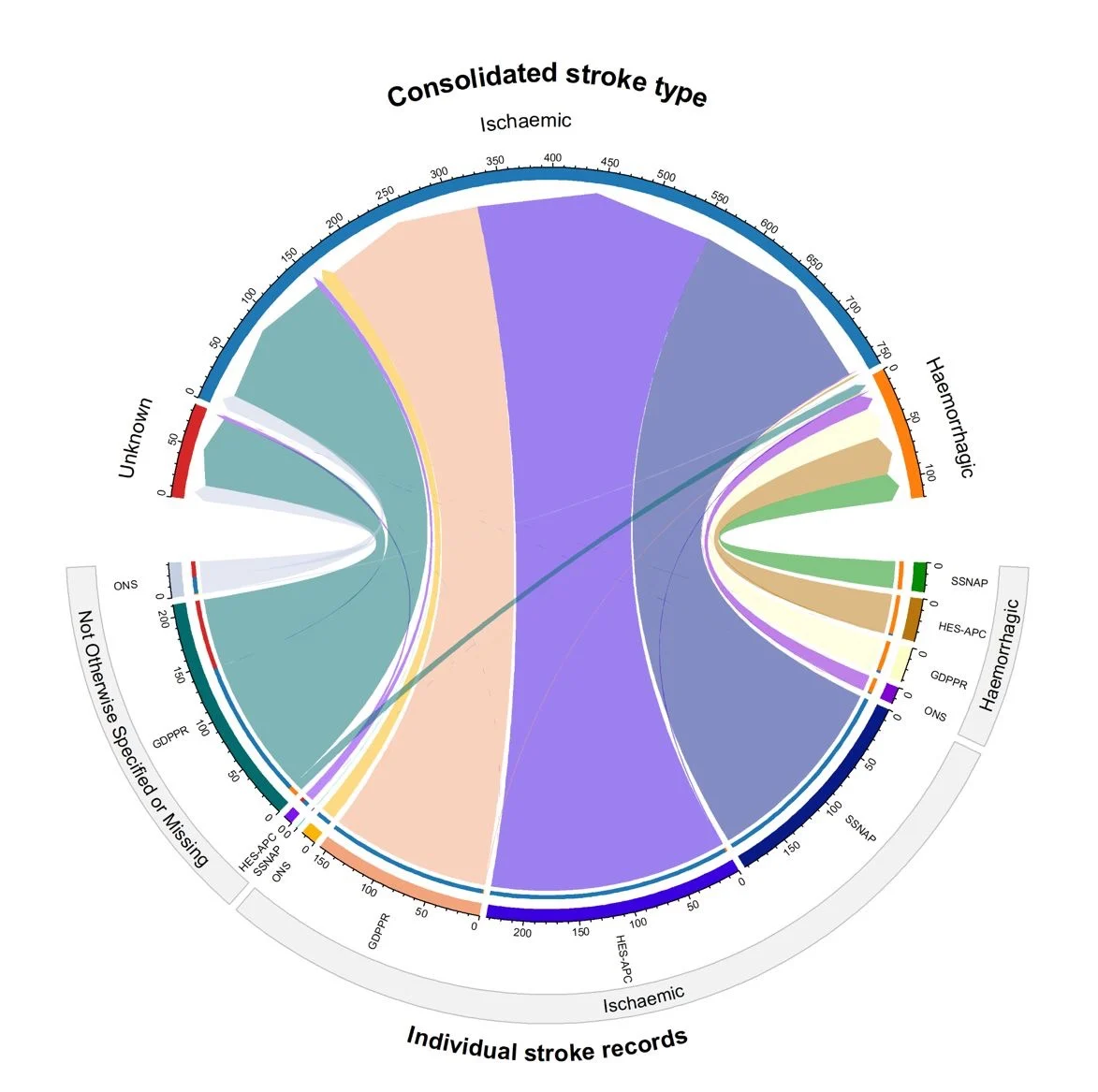
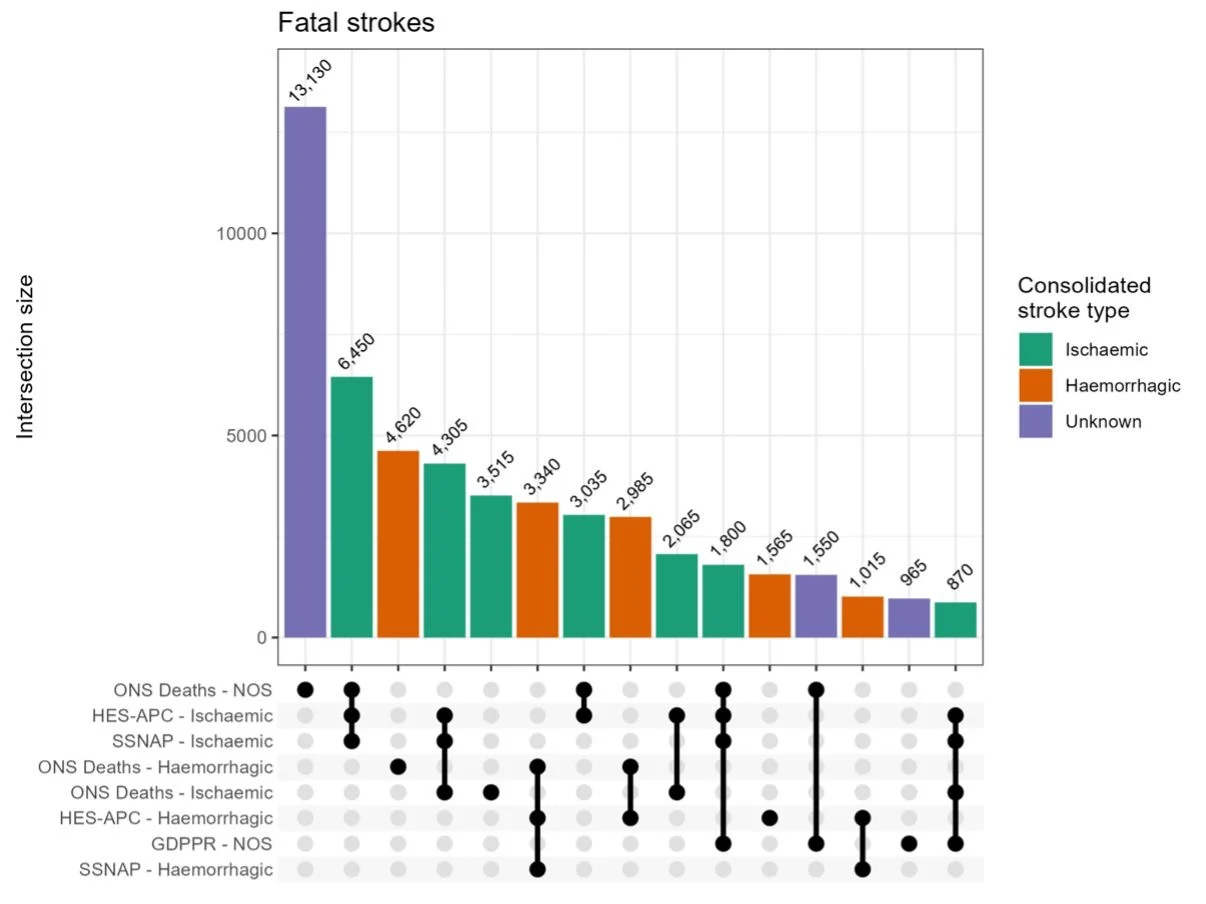
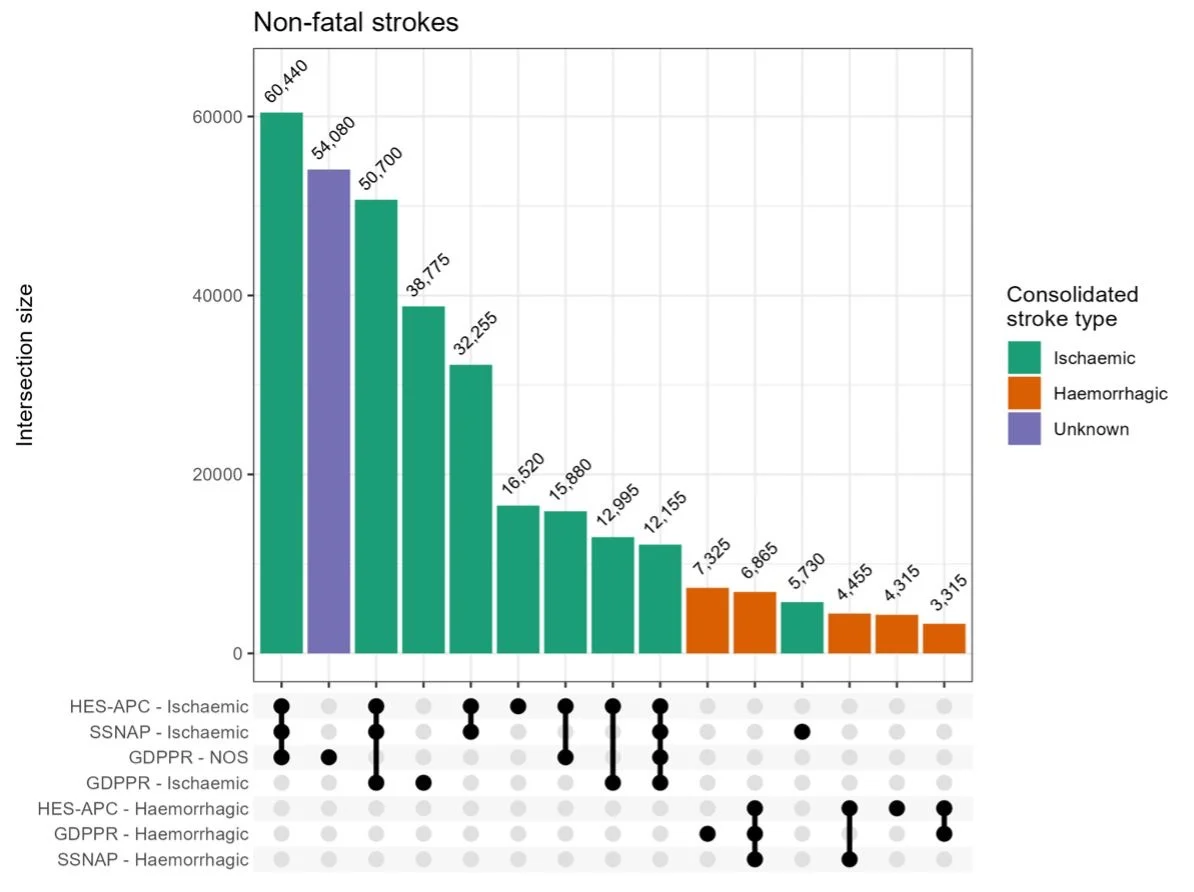
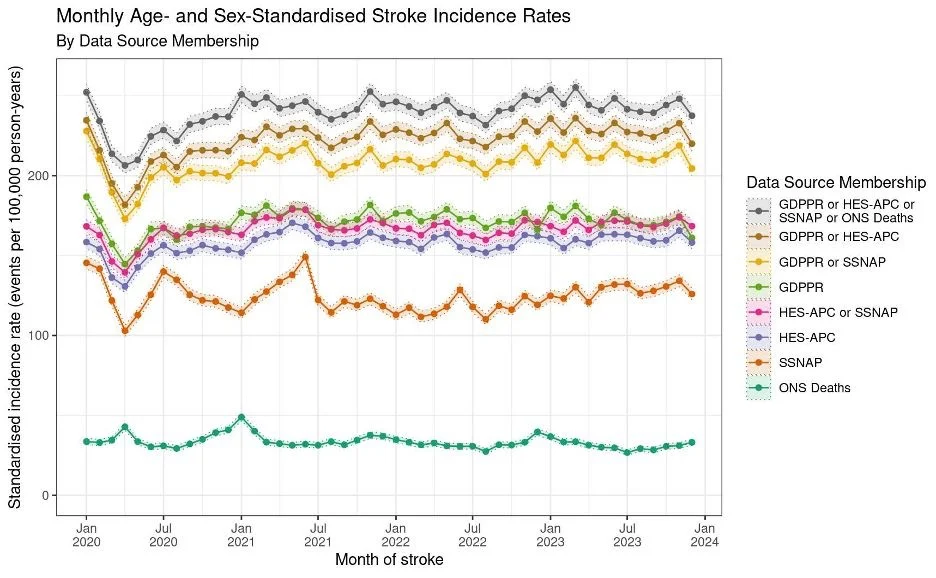
”Excited to share our new paper in BMJ Open, where we linked hospital admissions, SSNAP stroke audit data, death records, and GP records to get a much fuller picture of stroke events and outcomes across the COVID-19 pandemic.
One of the biggest challenges in stroke research is that no single dataset tells the complete story.
By linking multiple sources, we can see exactly how much is missed when we rely on them in isolation.
Key findings that stood out:
- Linked data dramatically improved stroke case ascertainment and gave us more accurate incidence estimates.
- SSNAP provided rich clinical detail (stroke type and severity) that routine hospital data lacks.
- GP records identified a substantial number of strokes not captured in hospitals, highlighting that stroke is not always an inpatient event.
- We could measure important outcomes rarely seen in routine data, like medication use after stroke and “home-time” (days alive and out of hospital).
This work demonstrates the power of linked electronic health records for understanding real patient journeys.
This was an enjoyable and rewarding project to work on.
Huge thanks to the British Heart Foundation (BHF) Data Science Centre, Health Data Research UK (HDR UK), Stroke Association and all co-authors for their collaboration and expertise.”
Title: Measurement of quality of stroke care with national electronic health records: a prospective cohort study during and after the COVID-19 pandemic
Authors: James Farrell, John Nolan, Roger Lambert, Ana Torralbo, Steffen E Petersen, Mevhibe Hocaoglu, Chris Tomlinson, Reecha Sofat, Qi Huang, Evan Kontopantelis, Martin James, Sarah Lessels, Jacqueline A L MacArthur, Angela M Wood, William N Whiteley, Spiros Denaxas
Stay updated on all scientific advances with Hemostasis Today.
-
Oct 11, 2026, 22:40Bahram Alamdary Badlou: Platelets as First Responders in Hemostasis, Immunity, and Inflammation
-
Oct 11, 2026, 22:22Vipin Singh: New Publication on Hippo-YAP Signaling and Platelet Activation
-
Oct 11, 2026, 22:21Trygve Berge: New AFNOR Paper on AF-related Stroke in Norway
-
Oct 11, 2026, 22:09Omar Alomari: Our New Publication on Apixaban vs Rivaroxaban for VTE
-
Oct 11, 2026, 21:22Shayan Roshan: Happy to Share Two Research Milestones in Trauma Care and Pancreatic Cancer
-
Oct 11, 2026, 21:16Chokri Ben Lamine: Anemia in Myelofibrosis – Multiple Mechanisms, Limited Responses
-
Oct 11, 2026, 21:03Carmela Walker: Supporting Warriors Living With SCD Through Dental Care and Advocacy
-
Oct 11, 2026, 21:00Rishdha Roshad: Intraoperative Cell Salvage – Turning Blood Loss into an Opportunity for Recovery
-
Oct 11, 2026, 20:59Anthony R. Sloan: Honored to Share Our Work at the 20th Midwest Platelet Conference