

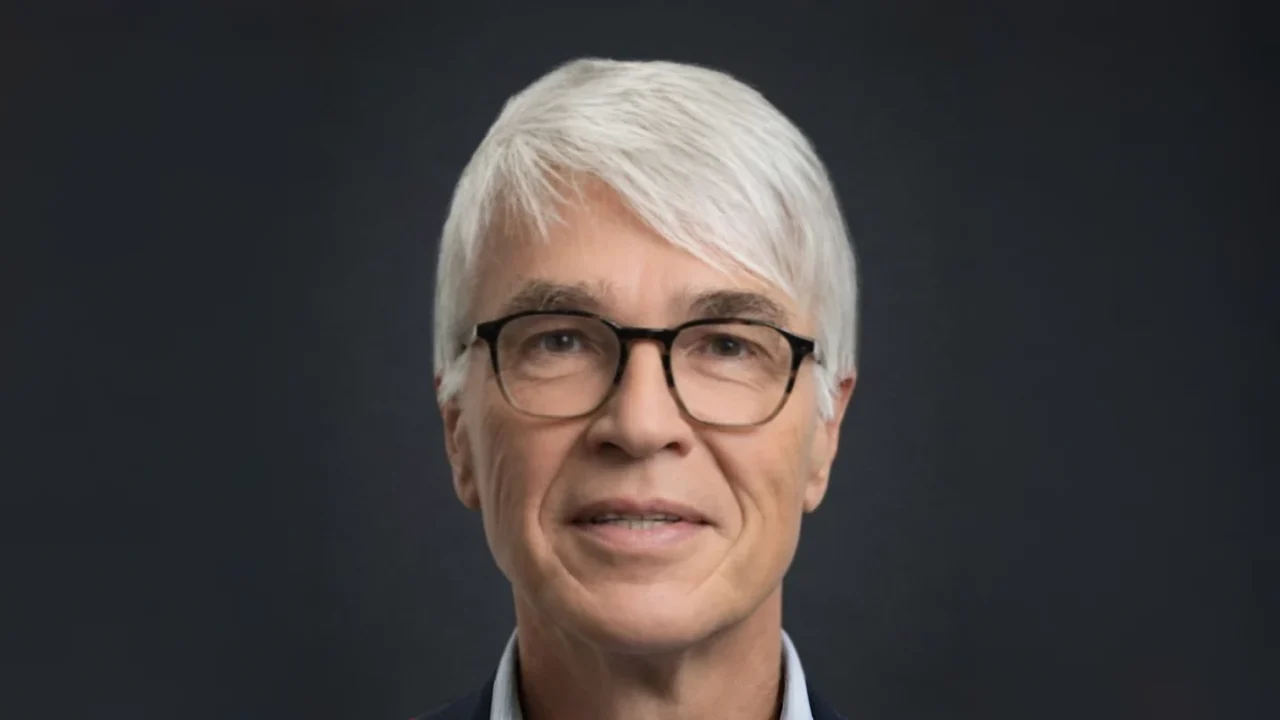
Wolfgang Miesbach: Attitudes Towards Gene Therapy for Severe Haemophilia in Germany
Wolfgang Miesbach, Professor of Medicine at Frankfurt University Hospital, shared a post on LinkedIn about a recent article he and his colleagues co-authored, published in Therapeutic Advances in Hematology, adding:
”Delighted to share our new paper on attitudes towards gene therapy in people with severe haemophilia in Germany.
Using a questionnaire originally developed and applied in an Italian haemophilia population, we surveyed 69 men with severe haemophilia A or B in Germany to assess knowledge, attitudes, risk tolerance, and decision-making preferences regarding gene therapy.
- Attitudes: Most participants were satisfied with their current prophylaxis, and accordingly 59% expressed a predominantly rejective attitude towards gene therapy. This underlines that, for many, gene therapy is perceived as an optional intervention.
- Knowledge and expectations: About half of participants could not answer more than half of the knowledge questions correctly, showing limited and often superficial knowledge about gene therapy.
- Safety: Long-term safety concerns, particularly fear of cancer and liver toxicity, were a major driver of negative attitudes.
- Bleed burden: People with an annual bleeding rate ≥1 were significantly more willing to consider or accept gene therapy, suggesting that ongoing bleed burden shifts the perceived risk–benefit balance.
Together with the earlier Italian survey, these data show that patient acceptance of gene therapy cannot be taken for granted, even in high-income countries, and underline the need for clear, balanced, and culturally adapted education to support truly shared decision-making in haemophilia care.
Many thanks to the co-authors and to all participating patients, whose time and openness made this study possible.”
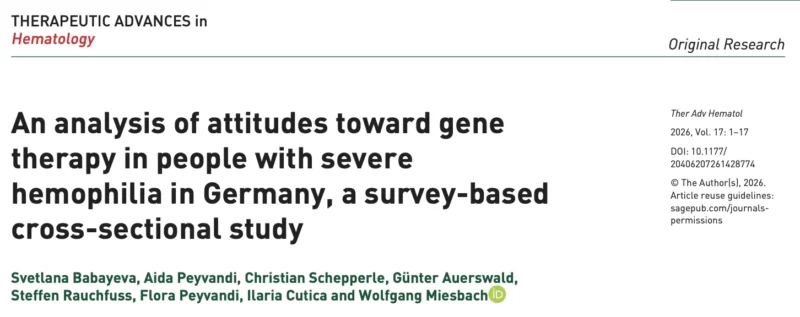
Title: An analysis of attitudes toward gene therapy in people with severe hemophilia in Germany, a survey-based cross-sectional study
Authors: Svetlana Babayeva, Aida Peyvandi, Christian Schepperle, Günter Auerswald, Steffen Rauchfuss, Flora Peyvandi, Ilaria Cutica, Wolfgang Miesbach
Stay updated on all scientific advances with Hemostasis Today.
-
Oct 20, 2026, 16:51Suzan Nakasendwa: A Growing Stroke Challenge in Uganda
-
Oct 20, 2026, 16:38Steve Moon: How Does Smoking Cessation Duration Affect Ischemic Stroke Risk
-
Oct 20, 2026, 16:25Cedrice Mentor: Reducing Platelet Wastage Through Cold Storage
-
Oct 20, 2026, 16:09Thirunavukkarasu Angappan: Can a Purified Fibrinogen Concentrate Replace Cryoprecipitate
-
Oct 20, 2026, 16:01Kalyan Roy: Platelet Conservation Through Evidence-Based Transfusion Practice
-
Oct 20, 2026, 15:28Stacy E. Croteau: 33 Countries, One Mission – Better Bleeding Disorder Care
-
Oct 20, 2026, 15:19Teresa Barnes: What Does a Pulmonary Embolism Mean for Jalen Hurts?
-
Oct 20, 2026, 15:04Laura S.: Could Speaking Up Prevent Maternal Deaths from Thrombosis?
-
Oct 20, 2026, 14:44Pete Stibbs: VTE in Professional Athletes – When Fitness Is Not Enough