


Arun V. J: The Most Racist Cell In The Human Body is The Red Blood Cell
Arun V. J, The Leader of Transfusion Medicine at Malabar Medical College, posted on LinkedIn:
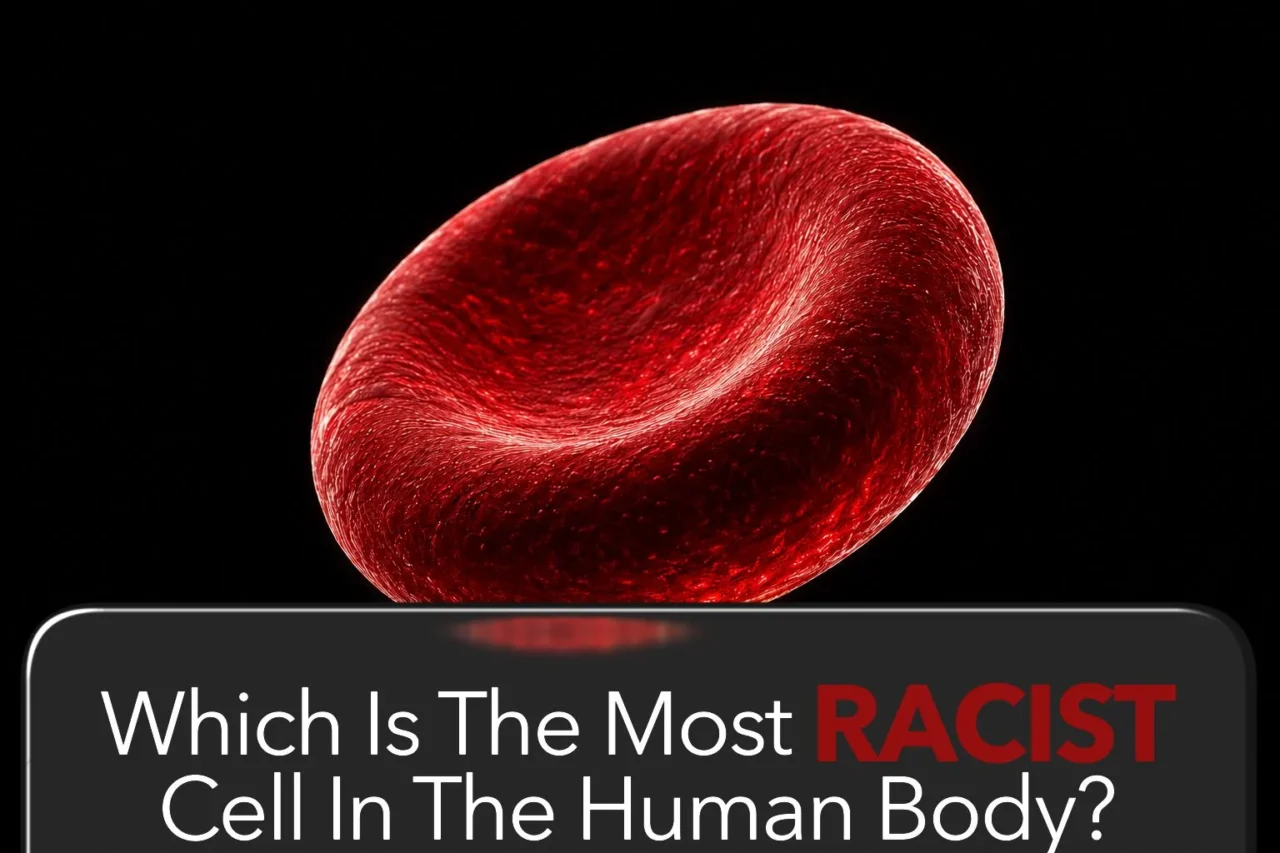
“The Most Racist Cell In The Human Body Is The Red Blood Cell.
I said what I said.
I Have Proof.
During maturation, the RBC literally ejects its own nucleus.
Destroys its mitochondria.
Dismantles its ribosomes.
Every organelle that gives a cell identity, memory, and the ability to adapt — gone. On purpose.
It even loses the ability to repair itself.
In return, it gets one thing:
- More space for haemoglobin.
- More oxygen per cell.
- Maximum efficiency for a single task.
120 days. 250 million haemoglobin molecules per cell. 700 times around the body.
Then it dies, unreplaced by itself, because it has no nucleus left to divide.
But it does a good job too
- Oxygen transport
- CO2 transport
- Buffering blood pH
- Nitric oxide transport
- Blood viscosity and rheology
- Immune modulation
- Band 3 protein and the cytoskeleton
Brilliant design.
Terrible leadership model.
Because some teams are built exactly this way.
Difference is removed early.
Conformity is rewarded.
Anyone who questions the system, thinks sideways, or carries a different kind of knowledge gets quietly squeezed out.
What remains is fast, uniform, and completely unable to respond when conditions change.
The RBC survives because the bone marrow keeps making new ones.
Most organisations don’t have that luxury.
In transfusion medicine we understand this instinctively.
A single blood group cannot serve every patient.
Compatibility matters.
Diversity isn’t a philosophy here — it’s a clinical requirement.
We just forget to apply it to the people we hire.”
Stay updated with Hemostasis Today.
-
Sep 20, 2026, 12:11Giacomo Buso: Silent Atherosclerosis Begins Earlier Than Expected
-
Sep 20, 2026, 12:0310 Posts Not to Miss This Week
-
Sep 20, 2026, 11:27Edward Lee Carter: Prasugrel Dosing Matters in P2Y12 Inhibitor Comparisons After PCI
-
Sep 20, 2026, 09:51Ceasovschih Alexandr: A Closer Look at Lipid Disorders in CKM Syndrome
-
Sep 20, 2026, 09:05World Stroke Academy: Can Adjunct IAT Improve Tissue Reperfusion?
-
Sep 20, 2026, 06:46Neeraj Songara: From Donated Blood to Engineered Therapeutics
-
Sep 20, 2026, 06:24Louise St. Germain Bannon: Improving Awareness and Care for Women Across the Lifespan
-
Sep 20, 2026, 05:17Maxime Dely: When ABO Compatibility Isn’t Enough for Safe Transfusion
-
Sep 20, 2026, 04:54William Aird: What Does a Complete History and Physical Really Mean?