

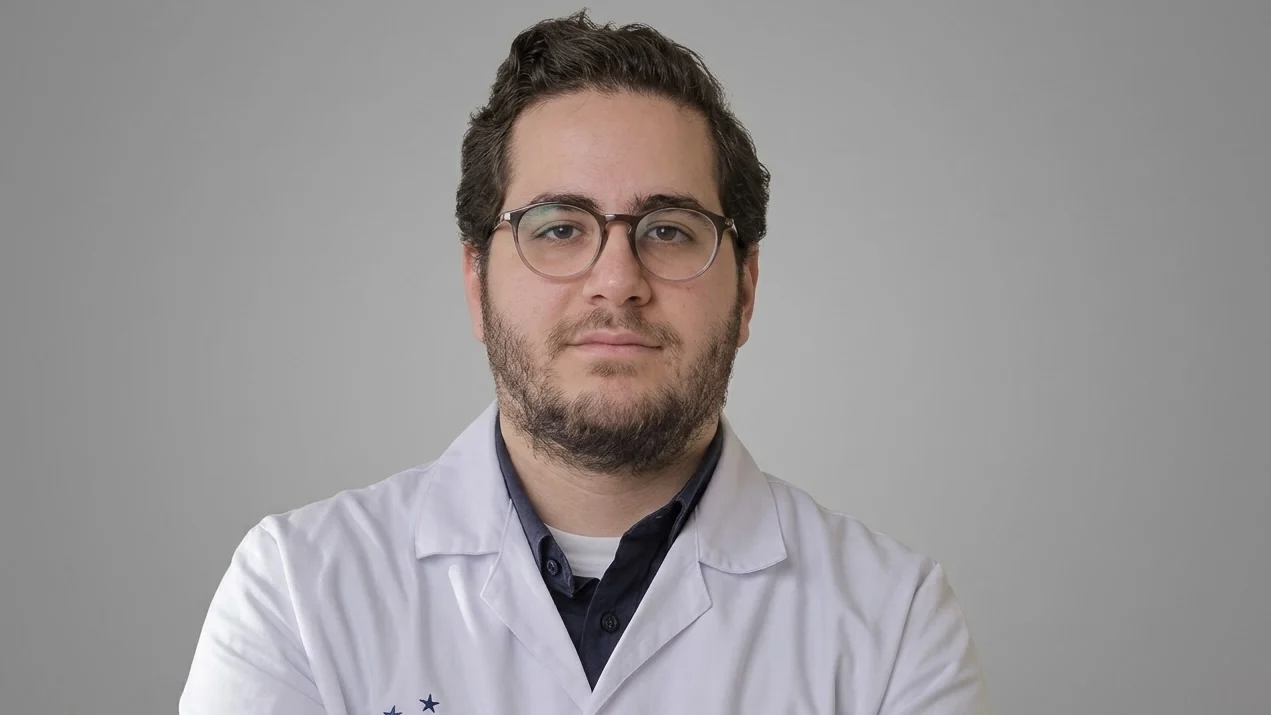
Youssef Afifi: The Thrombocytosis–Bleeding Paradox
Youssef Afifi, Consultant of Hematology and Internal Medicine at Cleopatra Hospitals Group, Consultant of Hematology and BMT at Police Academy, shared a post on LinkedIn:
“The thrombocytosis/bleeding paradox
More platelets mean more blood clots, right?
Actually, no. In hematology, we have a fascinating phenomenon where having ‘too many’ platelets dramatically increases the risk of bleeding.
This phenomenon perfectly illustrates why hematology is not always straight forward.
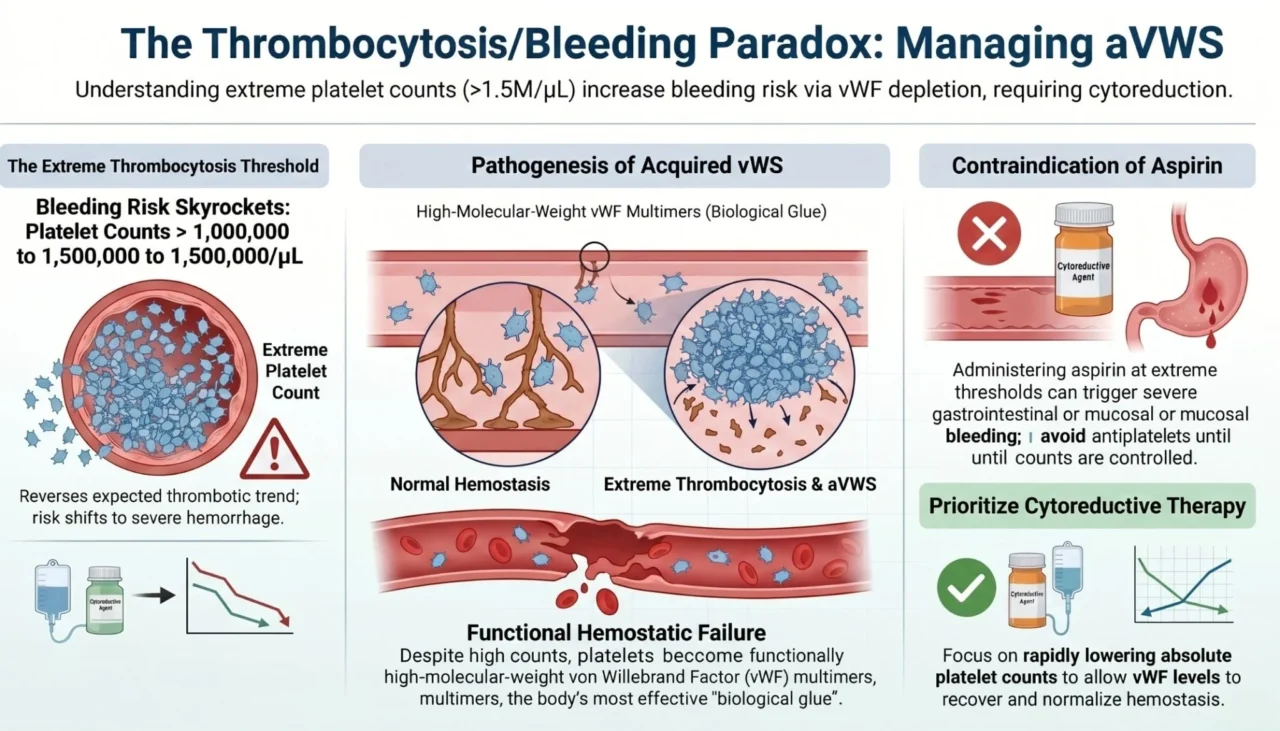
In myeloproliferative neoplasms like Essential Thrombocythemia (ET), a moderate increase in platelets predictably raises the risk of thrombosis. But once that platelet count crosses an extreme threshold – typically more than 1,000,000 or 1,500,000/μL—the script flips.
The patient’s bleeding risk skyrockets.
Why does this happen?
It comes down to ‘Acquired von Willebrand Syndrome (aVWS)‘
Normally, von Willebrand Factor (vWF) acts like the biological glue that helps platelets stick to damaged blood vessels and to each other. The largest vWF molecules (high-molecular-weight multimers) are the stickiest and most effective.
When a patient has a massive overproduction of platelets, these millions of circulating platelets rapidly bind to and clear out those crucial vWF multimers.
Essentially, the sheer volume of platelets exhausts the body’s supply of its best clotting glue.
The result? A lot of functionally useless because they can’t stick together.
This is why managing extreme thrombocytosis requires nuance.
Automatically giving aspirin to a patient with a platelet count of 1.5 million to “prevent clots” can actually trigger severe gastrointestinal or mucosal bleeding.
Instead, the focus often shifts to cytoreductive therapy to bring the absolute count down, which allows the vWF levels to recover and normalizes hemostasis.”
Stay updated with Hemostasis Today.
-
Sep 21, 2026, 15:56Anita Zaidi: Why Only 2% of Health Research and Development Goes to Women’s Conditions
-
Sep 21, 2026, 15:49Omid Khalafi: Gating Strategy and How Do We Decide Which Cells to Analyze
-
Sep 21, 2026, 15:44Levacetylleucine: A New Therapeutic Approach to Ataxia Telangiectasia
-
Sep 21, 2026, 15:40Andreas Tridimas: The Diagnostic Traps of Lipaemic Blood – Why a Normal Amylase Can Mislead You
-
Sep 21, 2026, 15:33Arsene Mekinian: Exploring Cardiac Involvement in Behçet’s Disease
-
Sep 21, 2026, 15:23Anis Mahjoubi: MRI Findings of Krukenberg Tumors
-
Sep 21, 2026, 15:08Fikreab Tesfaye Tefera: 10 Practical Take-Home Points for Diagnosing Iron Deficiency Anemia
-
Sep 21, 2026, 14:10Aswin K Mohan: Lessons from TRANSCON 2026 – Building Resilient Blood Supply Systems Before Crisis Hits
-
Sep 21, 2026, 14:00Vincent Lu: Beyond PT and aPTT – How Hemostasis Evolves Across a Lifetime