


Daniel Pereira Monteiro: Why Is Beta Thalassaemia Major so Severe?
Daniel Pereira Monteiro, Founder and Education Lead of Haemopaedia, Screening Professional Scientific Advisor at NHS England, shared a post on LinkedIn:
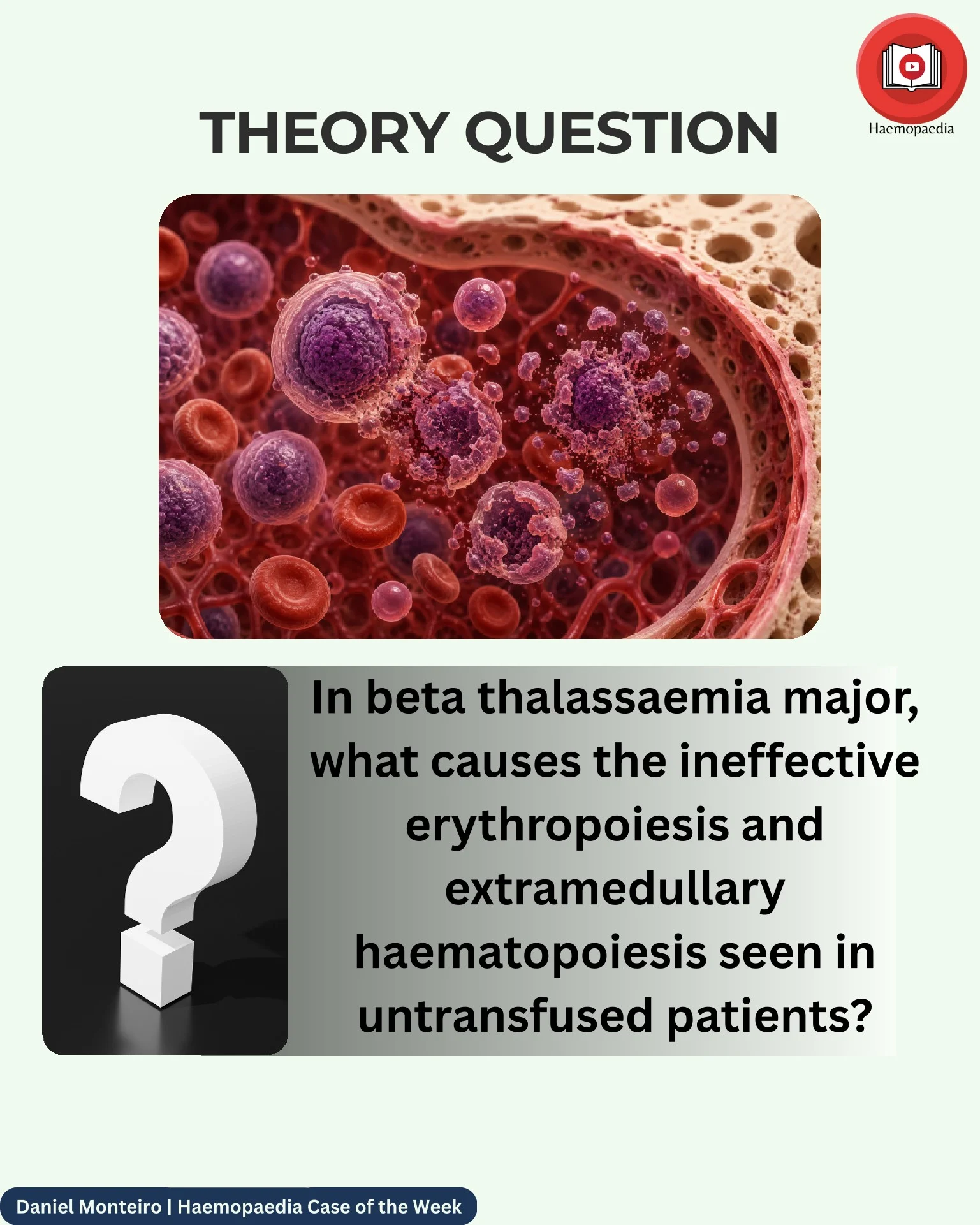
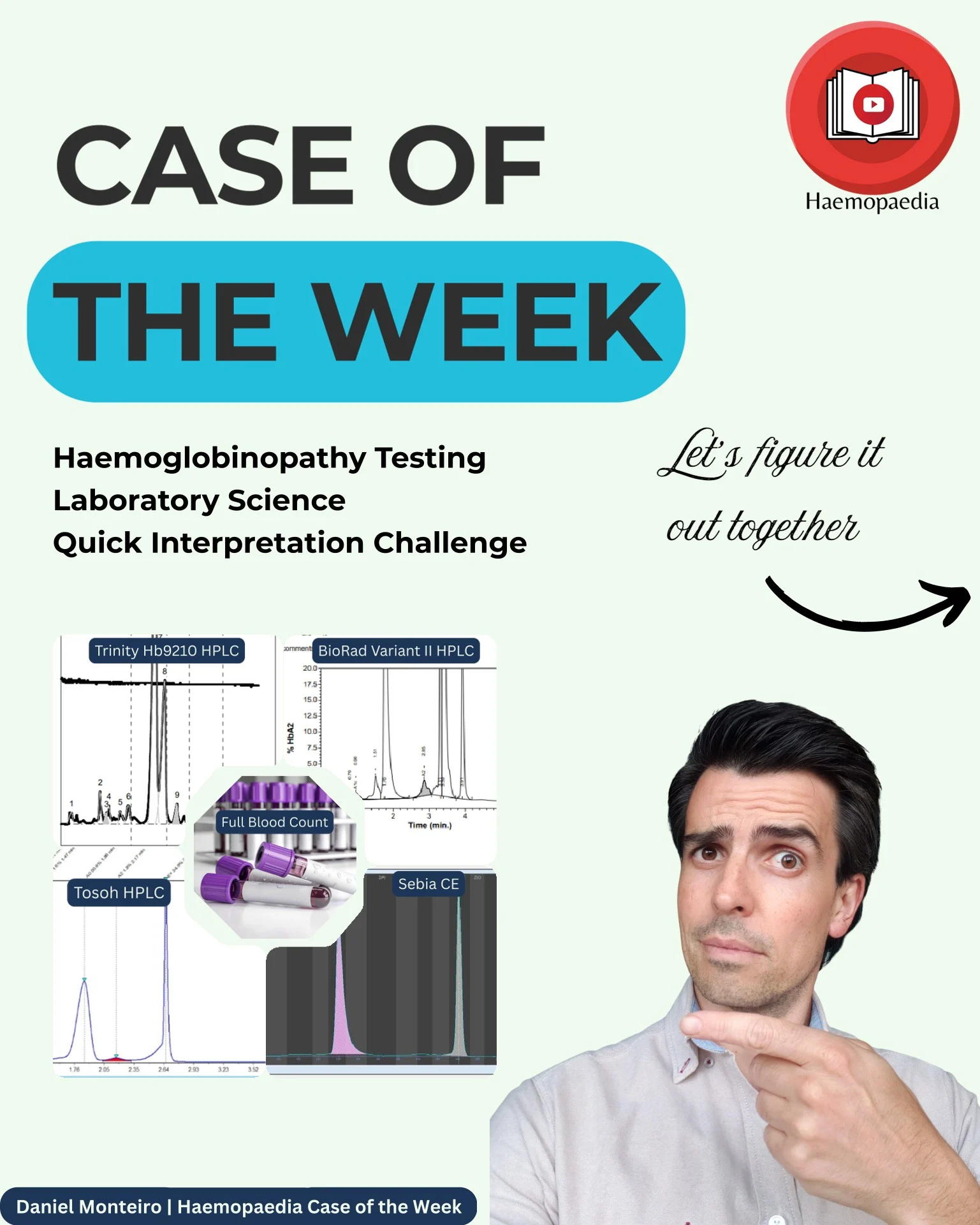
“We know that beta thalassaemia major is a severe condition… but do you know why?
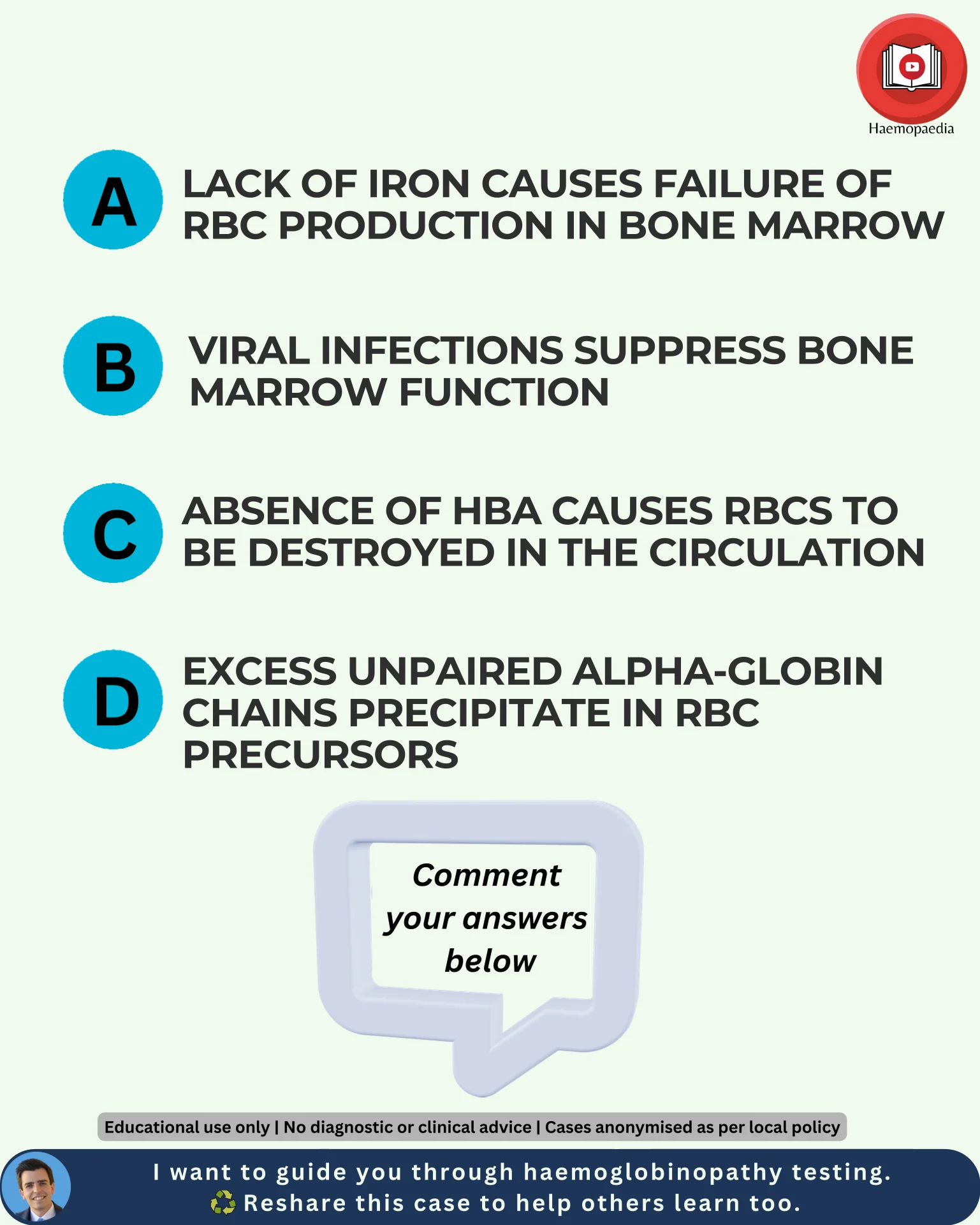
Let’s test your haemoglobinopathy interpretation skills
Would you like to know:
- What is beta thalassaemia major?
- What causes it?
- What happens physiologically to try to compensate?
- How would you spot it in the laboratory?
Welcome to Haemopaedia Case of the Week
This case counts towards your monthly CPD Certificate!
You are free to participate, here is how:
- Submit your answer via the Haemopaedia form available in the comment section
- Drop your interpretation also in the comments below
Both steps are required for CPD recognition
Want to know about upcoming training sessions, webinars and case-based learning every week, straight to your email?
Signing up to Haemopaedia’s LabLines Newsletter.
But you are free to unsubscribe at any time.
Have a case you’d like featured?
DM me to share an anonymised example for future posts.
I’m Daniel Monteiro.
I help students and healthcare professionals, including biomedical scientists, nurses, and doctors, to master the complexities of hemoglobinopathy screening and diagnosis through evidence-based guidance and real-world case studies.
I founded Haemopaedia to provide scientifically rigorous training material for everyone, from laboratory scientists to clinicians looking to deepen their understanding of hemoglobinopathies or who simply like to have a diagnostic challenge
Disclaimer:
All cases shared in these series are for educational purposes only and do not constitute clinical or diagnostic advice.
Contributors are reminded to make sure all examples are fully anonymised and shared in accordance with their local governance and confidentiality policies.”
Other posts featuring Daniel Pereira Monteiro on Hemostasis Today.
-
Sep 25, 2026, 13:32Gevorg Yaghjyan: Low Drug Levels, Higher Cardiovascular Risk in Lupus
-
Sep 25, 2026, 12:53Bastu Odoka: What Happened to Blood Donation?
-
Sep 25, 2026, 12:43Thomas Dayspring: Reshaping the Biology of Atherosclerotic Plaques with New Therapies
-
Sep 25, 2026, 12:14Garima Sharma: Community Clinical Linkages for Better Postpartum Cardiovascular Care
-
Sep 25, 2026, 10:49Shefina S: From Presenting to Hosting at TRANSCON 2026
-
Sep 25, 2026, 10:37Michelle Leona Cecil: Hemophilia Advocacy and the Power of Community
-
Sep 25, 2026, 10:13Michael Baria: Platelet Concentration and PRP Outcomes in Partial Rotator Cuff Tears
-
Sep 25, 2026, 08:55Hitarth Mehta: BHMS Students Gain Practical Exposure to Haemophilia Diagnosis
-
Sep 25, 2026, 07:25Varun Capoor: How Therapeutic Apheresis and Transfusion Medicine Can Complement Clinical Management in SCD