

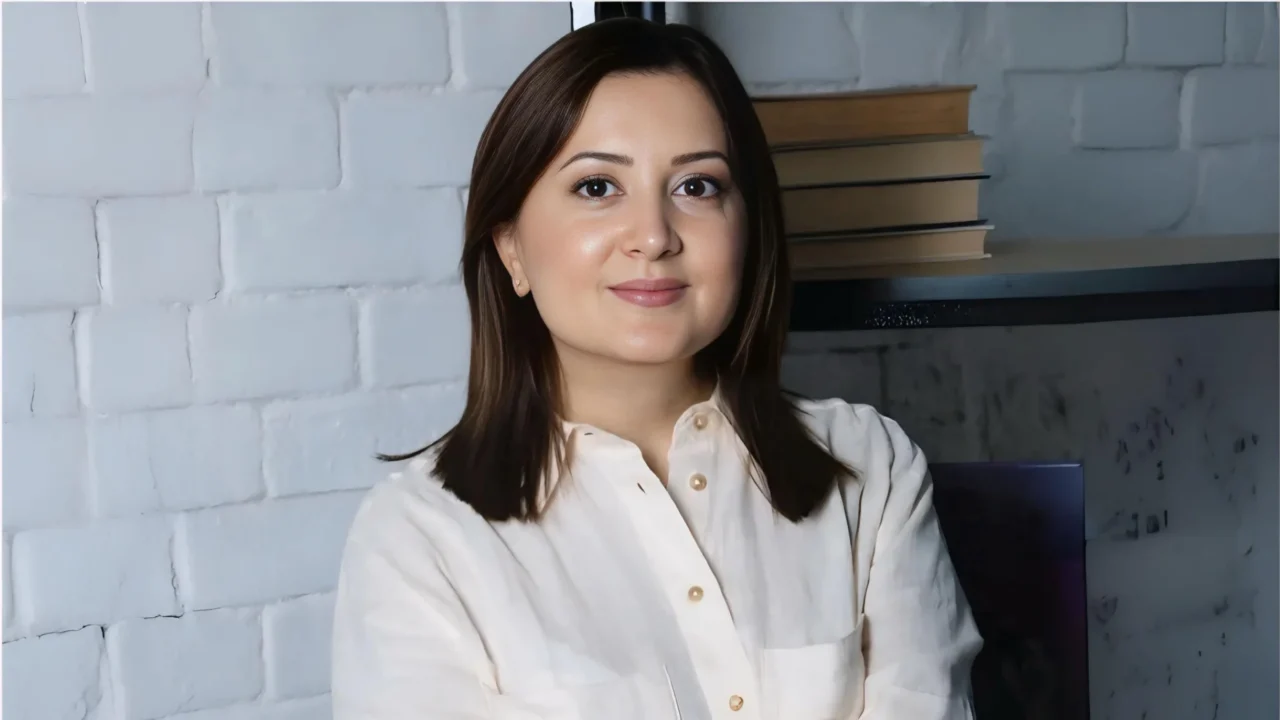
Heghine Khachatryan: Hemostasis at the Crossroads of Thrombosis and Bleeding
Heghine Khachatryan, Editor-in-Chief of Hemostasis Today, Head of Hemophilia and Thrombosis Center at Yeolyan Hematology and Oncology Center, shared Haemophilia Foundation Australia’s post on LinkedIn, adding:
“Hemostasis is far more than the cessation of bleeding – it is a finely regulated biological equilibrium between procoagulant and anticoagulant mechanisms.
Disruption of this balance may manifest as either hemorrhagic complications or thrombotic disease, emphasizing the complexity of modern hemostasis.
Contemporary research increasingly highlights the intimate interplay between coagulation, inflammation, endothelial function, and immune responses, giving rise to the concept of immunothrombosis and reinforcing the multidisciplinary nature of thrombosis research.
These advances continue to reshape diagnostic algorithms, risk stratification, and therapeutic strategies across numerous clinical disciplines.
Continuous scientific collaboration, evidence-based practice, and translational research remain fundamental to improving outcomes for patients with bleeding and thrombotic disorders.”
Haemophilia Foundation Australia shared a post on LinkedIn:
“Currently most gene therapy for haemophilia uses gene transfer.
This involves delivering a functional gene into the body using a vector that carries it into the target cells.
This vector is often a modified virus called adeno-associated virus (AAV) made safe to use.
Once inside the body, the working gene gives instructions to liver cells to produce the missing clotting factor, which may reduce or stop bleeding episodes (‘bleeds’).
Learn more in the new Gene Therapy fact sheet.
Gene therapy is currently only available in Australia through clinical trials.
Gene therapy for haemophilia B is currently being evaluated by the Australian Government for funding to become available for Australians and we look forward to the outcome.”

Other posts featuring Heghine Khachatryan on Hemostasis Today.
-
Sep 29, 2026, 17:31Rajnikant Patel: Bridging Ayurvedic Concepts and Modern Toxin-Mediated Disease
-
Sep 29, 2026, 17:13Nicholas Lang։ A Meaningful Case of Immune Thrombocytopenia
-
Sep 29, 2026, 16:55Ayatullah Gamal Wahab: When the CBC Lies
-
Sep 29, 2026, 16:35Jonathan Douxfils: Navigating the VTE Risk Continuum in Reproductive Medicine
-
Sep 29, 2026, 16:35Chaima Rajeh: Types of Anemia and Their Laboratory Features
-
Sep 29, 2026, 16:27Scott Isaacs: How GLP-1 RAs Target Systemic Inflammation to Drive Cardio, Autoimmune, and Gut Health
-
Sep 29, 2026, 16:21Yitshak Kreiss: From Treating Patients to Defining the Standard of Knowledge
-
Sep 29, 2026, 16:18Edward Lee Carter: Why Periprocedural DOAC Guidance Needs a Common Output Standard
-
Sep 29, 2026, 16:07Yasmine Laraba: Deep Vein Thrombosis Causes, Signs and Management