

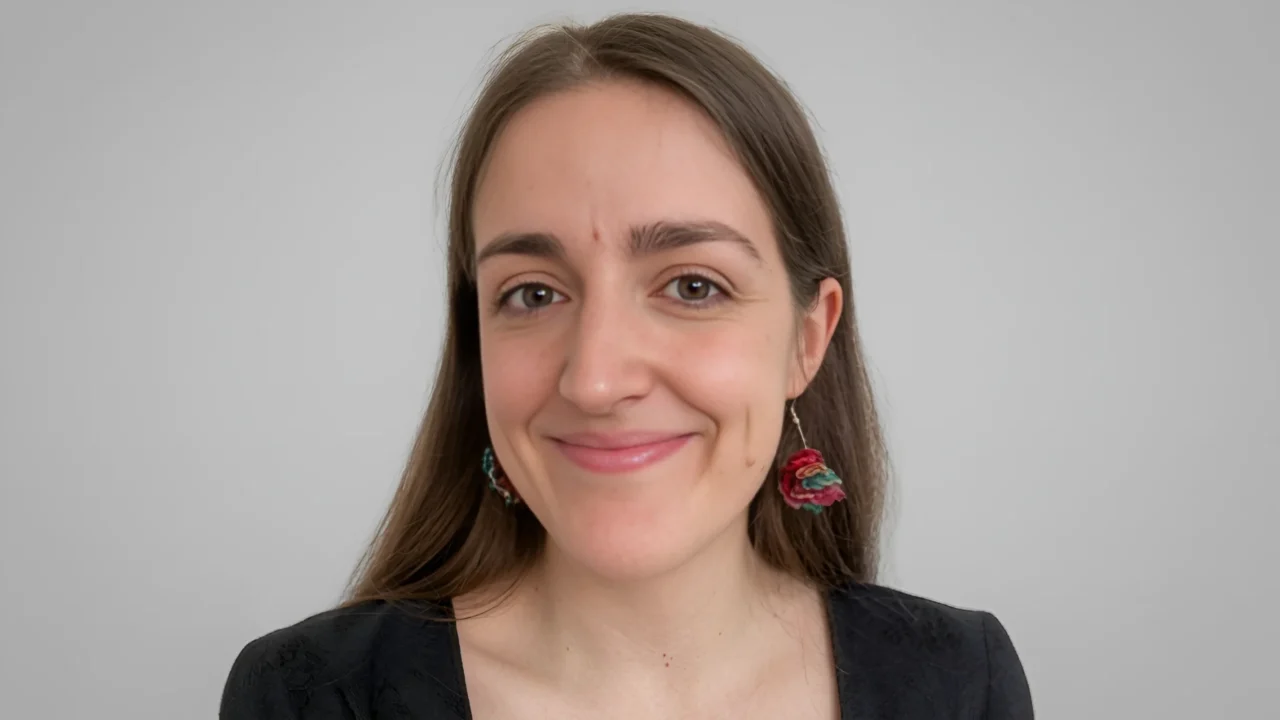
Julia Castillo González: Role of Cortistatin During the Acute and Subacute Phases of Ischemic Stroke
Julia Castillo González, Early-career Researcher at CHUV, shared a post on LinkedIn about a recent article she and her colleagues co-authored, published in Journal of Biomedical Science, adding:
“We are thrilled to share our latest paper, just published in the Journal of Biomedical Science!
Ischemic stroke remains a leading cause of death and disability worldwide.
Neuroinflammation and blood-brain barrier disruption play a critical role in neuronal damage.
Therefore, understanding which endogenous factors control these processes is vital for developing new therapies.
In our study, we explored the role of cortistatin, a neuropeptide with potent immunomodulatory actions, during the acute and subacute phases of ischemic stroke.
What are our key findings?
Without cortistatin, the damage worsens:
We demonstrate for the first time that a deficiency in this neuropeptide amplifies neuroinflammation, worsens glial and neurovascular dysfunction, and even accelerates aging-associated pathological features.
Therapeutic potential:
Conversely, administering cortistatin improves neuronal survival, mitigates immune dysfunction, and preserves both myelin and vascular integrity.
These results highlight cortistatin not only as an essential neuroimmune regulator but also as a highly promising multimodal therapeutic agent for improving short- and long-term stroke outcomes.
None of this would have been possible without the incredible work and dedication of the entire team and my co-authors.
Thank you all for the hard work!
On a very personal note, this work represents the third and final chapter of my PhD thesis.
I am incredibly happy and proud to close this cycle!”
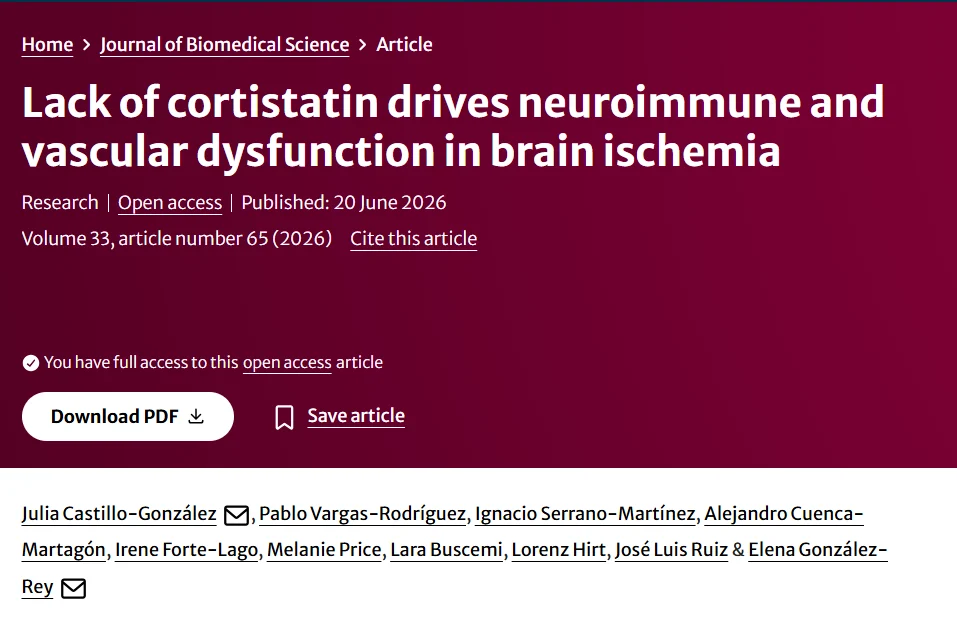
Title: Lack of cortistatin drives neuroimmune and vascular dysfunction in brain ischemia
Authors: Julia Castillo-González, Pablo Vargas-Rodríguez, Ignacio Serrano-Martínez, Alejandro Cuenca-Martagón, Irene Forte-Lago, Melanie Price, Lara Buscemi, Lorenz Hirt, José Luis Ruiz, Elena González-Rey
Stay updated on all scientific advances with Hemostasis Today.
-
Sep 29, 2026, 17:31Rajnikant Patel: Bridging Ayurvedic Concepts and Modern Toxin-Mediated Disease
-
Sep 29, 2026, 17:13Nicholas Lang։ A Meaningful Case of Immune Thrombocytopenia
-
Sep 29, 2026, 16:55Ayatullah Gamal Wahab: When the CBC Lies
-
Sep 29, 2026, 16:35Jonathan Douxfils: Navigating the VTE Risk Continuum in Reproductive Medicine
-
Sep 29, 2026, 16:35Chaima Rajeh: Types of Anemia and Their Laboratory Features
-
Sep 29, 2026, 16:27Scott Isaacs: How GLP-1 RAs Target Systemic Inflammation to Drive Cardio, Autoimmune, and Gut Health
-
Sep 29, 2026, 16:21Yitshak Kreiss: From Treating Patients to Defining the Standard of Knowledge
-
Sep 29, 2026, 16:18Edward Lee Carter: Why Periprocedural DOAC Guidance Needs a Common Output Standard
-
Sep 29, 2026, 16:07Yasmine Laraba: Deep Vein Thrombosis Causes, Signs and Management