


Acute DVT Management and the Role of Interventions Beyond Anticoagulation: Insights From ISTH 2026
Mandy Lauw, Internist-Hematologist at Erasmus MC, discussed evolving strategies in deep vein thrombosis (DVT) management, anticoagulation decisions and the future role of personalized treatment approaches at ISTH 2026.
The presentation reviewed the current evidence on acute DVT management, focusing on treatment goals, anticoagulation strategies, treatment duration and the ongoing debate about which patients may benefit from interventions beyond standard medical therapy.
Although anticoagulation remains the cornerstone of venous thromboembolism (VTE) treatment, the field is increasingly moving toward a personalized approach.
The main challenge is identifying which patients may benefit from more intensive treatment strategies while balancing potential clinical benefits with bleeding risk, patient preferences, healthcare resources and long-term outcomes.
Acute DVT and VTE: Defining the Goals of Treatment
Venous thromboembolism, including deep vein thrombosis (DVT) and pulmonary embolism (PE), represents a spectrum of interconnected diseases rather than two completely separate conditions. Although DVT and PE are often considered distinct clinical entities, they frequently coexist, reflecting different manifestations of the same thrombotic process.
The primary goals of acute DVT treatment are preventing thrombus extension and progression, reducing the risk of embolization and pulmonary embolism, decreasing mortality associated with thrombotic complications, and preventing long-term consequences such as recurrent VTE and post-thrombotic syndrome (PTS).
Anticoagulation remains the foundation of treatment, aiming to prevent further clot formation while allowing natural thrombus resolution.
Treatment Strategies Across the DVT Care Pathway
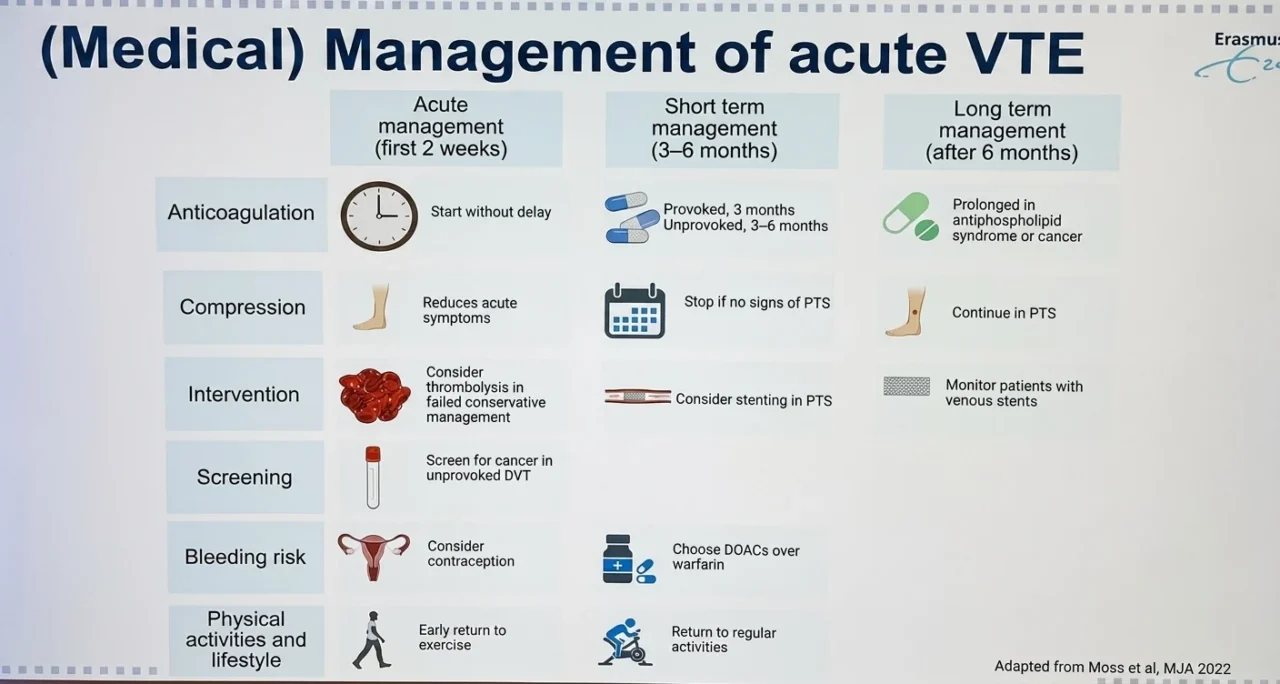
Management of acute deep vein thrombosis (DVT) requires individualized decision-making throughout the different phases of care.
The initial treatment period generally covers the first 3–6 months after diagnosis, during which anticoagulation aims to prevent thrombus progression and early complications. After this period, clinicians must reassess whether therapy can be discontinued or whether extended anticoagulation is required for secondary prevention.
Direct oral anticoagulants (DOACs) have become the preferred treatment option for many patients with venous thromboembolism (VTE) because of their efficacy, favorable safety profile, and ease of use compared with traditional anticoagulant approaches.
Among the available DOACs, apixaban and rivaroxaban can be initiated immediately without a heparin lead-in, using an initial higher-dose phase followed by maintenance therapy. In contrast, dabigatran and edoxaban require initial treatment with parenteral anticoagulation before transitioning to oral therapy.
Recent observational data suggest that apixaban may be associated with a lower risk of bleeding than rivaroxaban, leading many clinicians to preferentially select apixaban when DOAC therapy is appropriate.
Selecting the Right Anticoagulant: An Individualized Decision
Choosing the most appropriate anticoagulant requires careful consideration of each patient’s clinical profile and personal circumstances.
Important factors include age, body weight, renal function, bleeding risk, the ability to take oral medication, patient preferences, and potential drug interactions. Additional considerations include active cancer, gastrointestinal disease, inflammatory or autoimmune disorders, and exposure to hormonal therapy or estrogen.
Certain clinical situations, such as pregnancy, limit the use of direct oral anticoagulants (DOACs) and require alternative anticoagulation strategies.
The overall objective is to balance effective prevention of recurrent thrombosis with minimizing the risk of bleeding.
Deciding How Long Anticoagulation Should Continue
After completing the initial treatment phase, one of the key clinical decisions is whether anticoagulation can be safely discontinued or should be extended.
This decision is primarily guided by the patient’s risk of recurrent venous thromboembolism (VTE) and whether the event was provoked or unprovoked.
Patients with provoked VTE resulting from transient risk factors—such as surgery, trauma, immobilization, or hormonal therapy—generally have a lower recurrence risk once the provoking factor has resolved. For these patients, anticoagulation is typically limited to 3–6 months.
In contrast, patients with unprovoked VTE have a substantially higher risk of recurrence and may benefit from extended anticoagulation, depending on their individual bleeding risk.
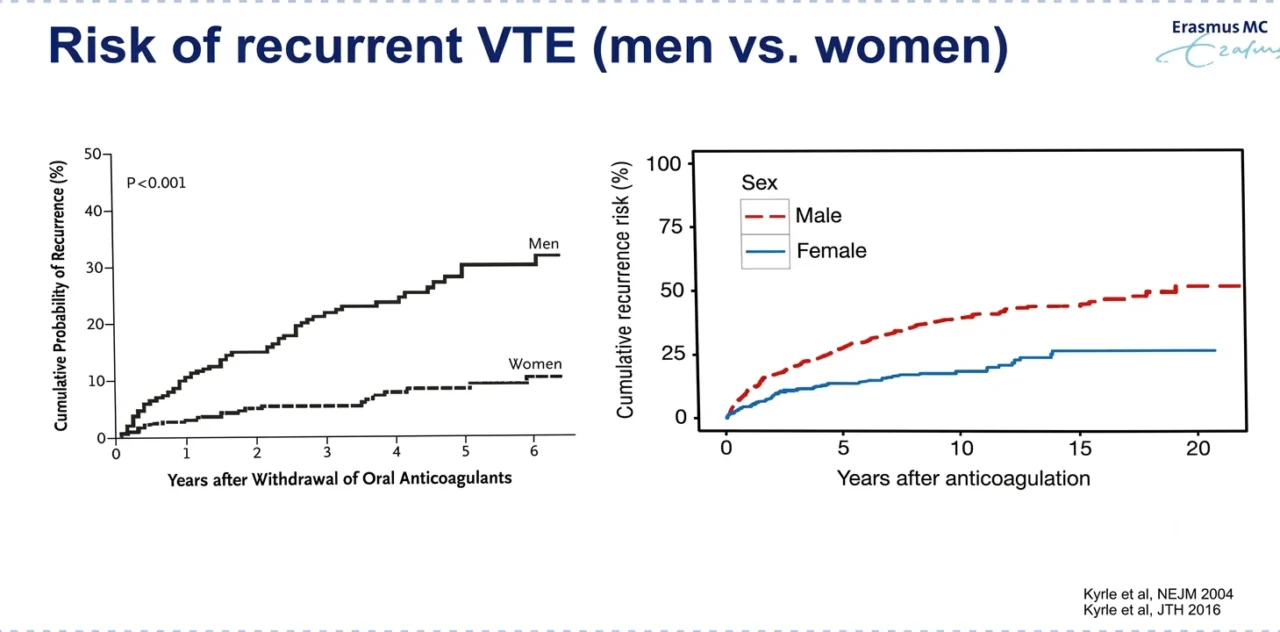
Sex also influences recurrence risk. Men generally have a higher risk of recurrent VTE following an unprovoked event than women. In women, hormone-associated thrombosis, including oral contraceptive-related VTE, often represents a transient risk factor, and recurrence risk may decrease once hormonal exposure has ended.
Persistent risk factors—including active cancer and chronic inflammatory or autoimmune diseases—may warrant prolonged anticoagulation. Patients with recurrent VTE generally require indefinite treatment, with regular reassessment of bleeding risk.
Evidence from extended-treatment studies has also shown that reduced-dose DOAC regimens, including apixaban and rivaroxaban, may continue to protect against recurrent VTE while lowering bleeding risk during long-term secondary prevention.
When Is Anticoagulation Alone Not Enough?
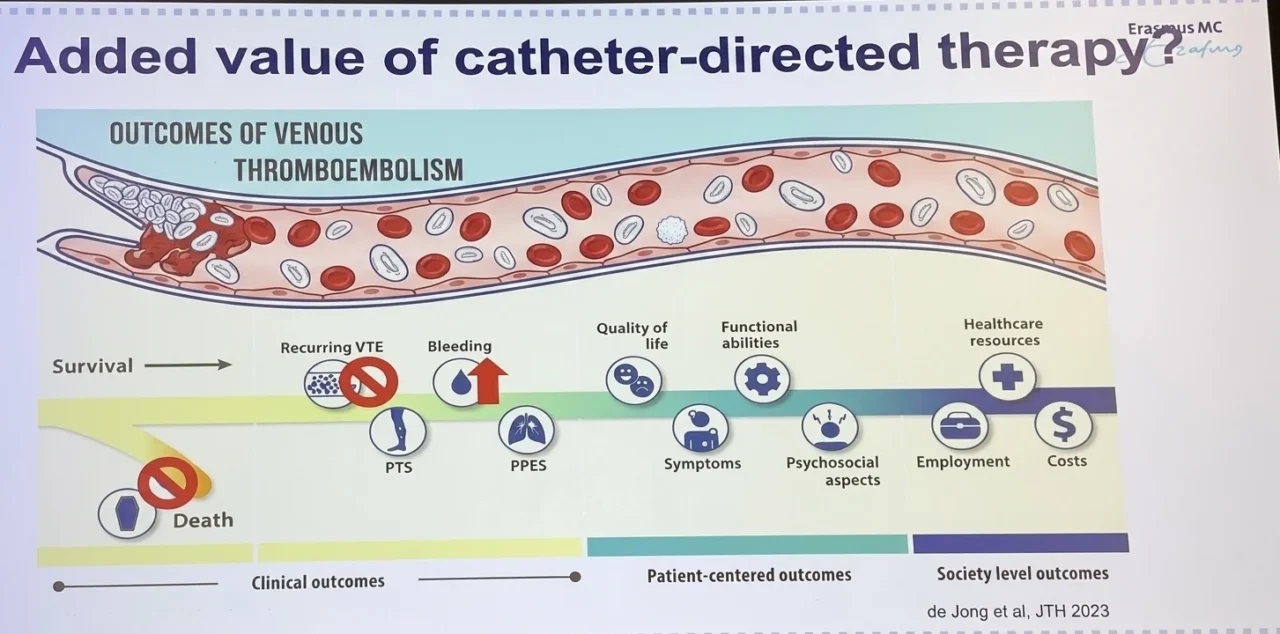
One of the ongoing challenges in DVT management is identifying patients who may benefit from treatment beyond anticoagulation.
Interventional options—including catheter-directed thrombolysis, mechanical thrombectomy, and venous stenting—have been developed for selected patients.
However, the decision to intervene should not be based solely on thrombus removal or reducing recurrence risk. It should also consider symptom improvement, quality of life, functional recovery, patient expectations, and healthcare resources.
What Have Clinical Trials Shown?
Clinical trials evaluating interventional treatment for acute DVT have provided important insights into both the benefits and limitations of these approaches.
The ATTRACT trial showed that pharmacomechanical intervention did not significantly reduce recurrent VTE or mortality compared with anticoagulation alone and was associated with a higher risk of bleeding.
In addition, intervention did not demonstrate a clear overall reduction in post-thrombotic syndrome among patients treated during the acute phase of DVT.
These findings suggest that invasive procedures should not be routinely performed in all patients with acute DVT but rather reserved for carefully selected individuals.
Managing Post-Thrombotic Syndrome
Post-thrombotic syndrome (PTS) remains one of the most important long-term complications of DVT, with a significant impact on symptoms, mobility, and quality of life.
Patients with severe symptomatic PTS despite optimal medical therapy may represent a subgroup that could benefit from intervention.
The C-TRACT trial has provided valuable evidence by evaluating endovascular treatment in patients with symptomatic PTS and venous obstruction. Although the study has expanded current knowledge, important questions remain regarding long-term clinical benefit, functional outcomes, and optimal patient selection.
Venous Stenting: Questions That Remain
As the use of venous stenting increases, several important clinical questions remain unanswered.
These include whether patients require lifelong anticoagulation after stent placement, when treatment can safely be discontinued, whether reduced-dose DOAC therapy is appropriate following stenting, and which factors should guide long-term management.
Current evidence is insufficient to provide definitive recommendations, highlighting the need for further research.
The Future of DVT Management
The future of DVT care lies in a more personalized treatment strategy that matches the right therapy to the right patient at the right time.
Although anticoagulation will remain the foundation of treatment for most patients, ongoing research aims to better identify those who may benefit from interventions beyond medical therapy.
Ultimately, the goal extends beyond preventing recurrent thrombosis to improving the outcomes that matter most to patients—including symptom relief, functional recovery, and quality of life.
Further studies are needed to refine patient selection, optimize interventional approaches, and establish evidence-based strategies for long-term management following procedures such as venous stenting.
As the field continues to evolve, DVT management is moving beyond simply treating the clot toward a more personalized, patient-centered approach focused on long-term health and recovery.
Stay Updated with the Latest ISTH 2026 Updates on Hemostasis Today.
-
Oct 12, 2026, 10:36PAI-1 Inhibition as a New Strategy for Enhancing Fibrinolysis and Clot Resolution
-
Oct 12, 2026, 07:39Emmanuel J Favaloro: 100 Years of von Willebrand Disease and the Importance of Local Diagnosis and Management
-
Oct 12, 2026, 07:39Post-Stroke Fatigue Trajectories – 38% Recovered at 12 Months, While 16% Developed New Fatigue – International Journal of Stroke
-
Oct 12, 2026, 07:28Beth Sara: IBMS Specialist Portfolio Achievement and a New Role in Transfusion Practice
-
Oct 12, 2026, 07:28Abdul Mannan: PCC vs. aPCC – The Small ‘a’ That Changes Emergency Management
-
Oct 12, 2026, 07:20Mokhtar Tazik: Improving Access to Plasma Derived Medicines Through Awareness, Interest and Accessibility
-
Oct 12, 2026, 07:08Larissa Chastain: Partnering to Transform Anticoagulation Management Through INR Self-Testing
-
Oct 12, 2026, 06:57Saiful Islam: Laboratory Spot Check – Microcytic Anemias and The Thalassemia Spectrum
-
Oct 12, 2026, 06:45Nick Lenamon: Stroke Awareness at Any Age Recognizing the Signs and Acting FAST