

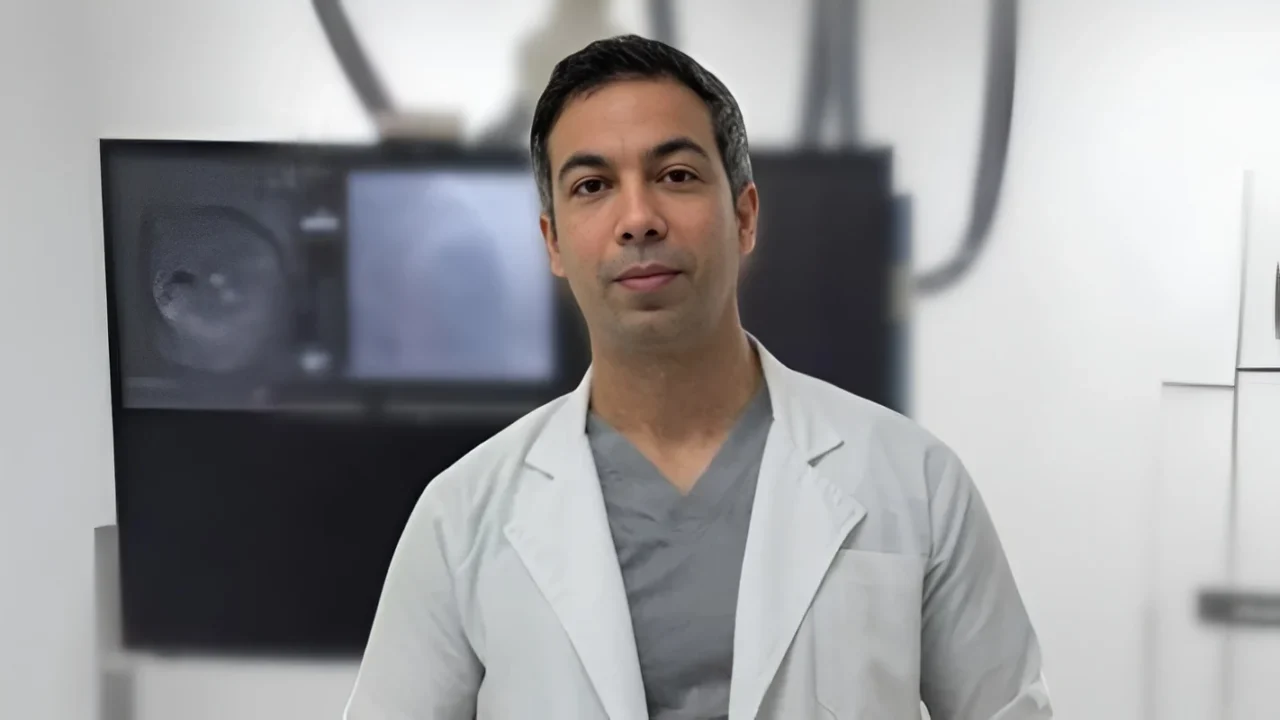
Alejandro González Veliz: Can Plaque-Guided PCI Prevent Myocardial Infarction?
Alejandro González Veliz, Interventional Cardiologist at Institute of Cardiology and Cardiovascular Surgery, shared a post on LinkedIn about recent article by Seung-Jung Park et al., published in The Lancet, adding:
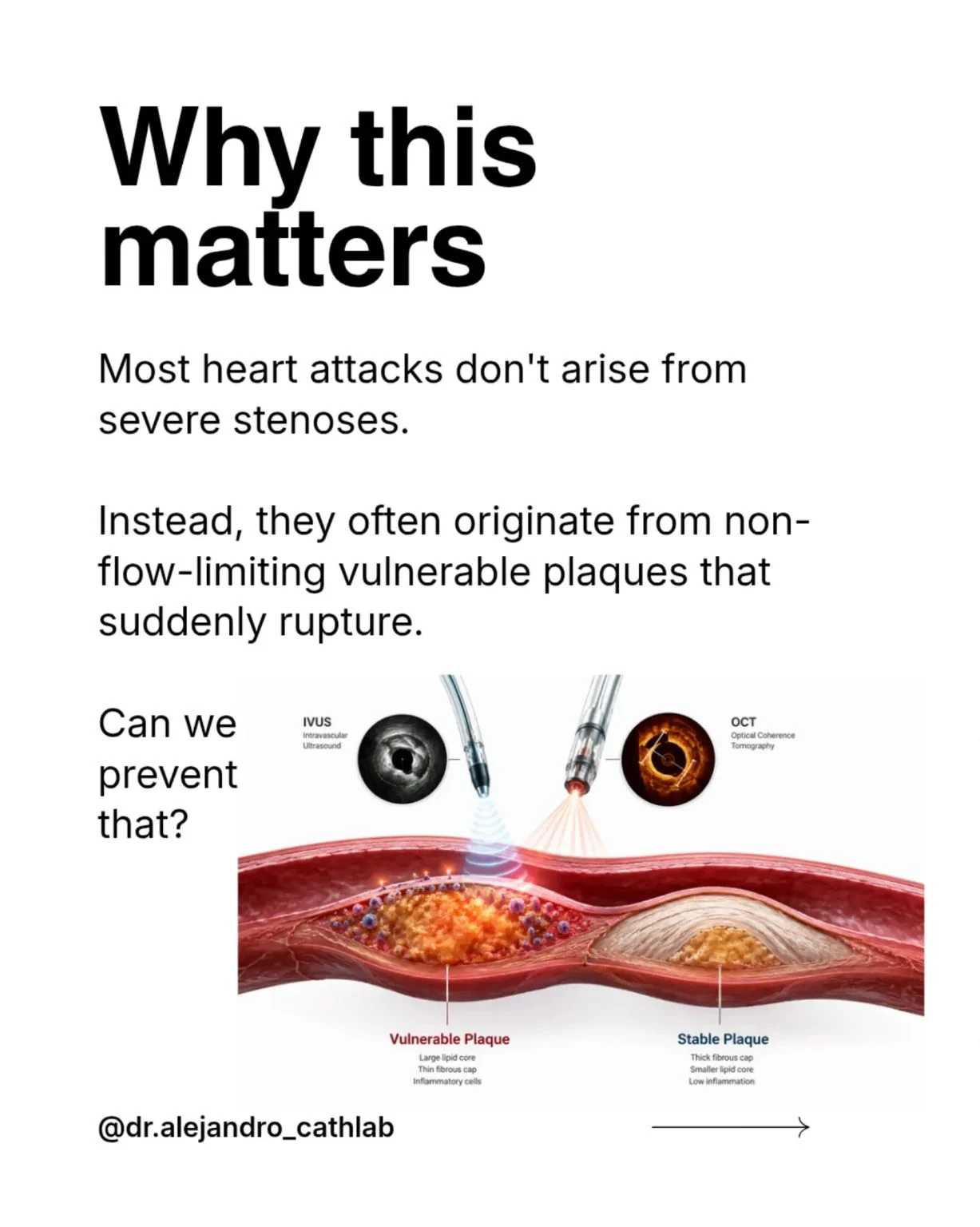
“Can we prevent myocardial infarction by treating vulnerable plaques before they rupture?
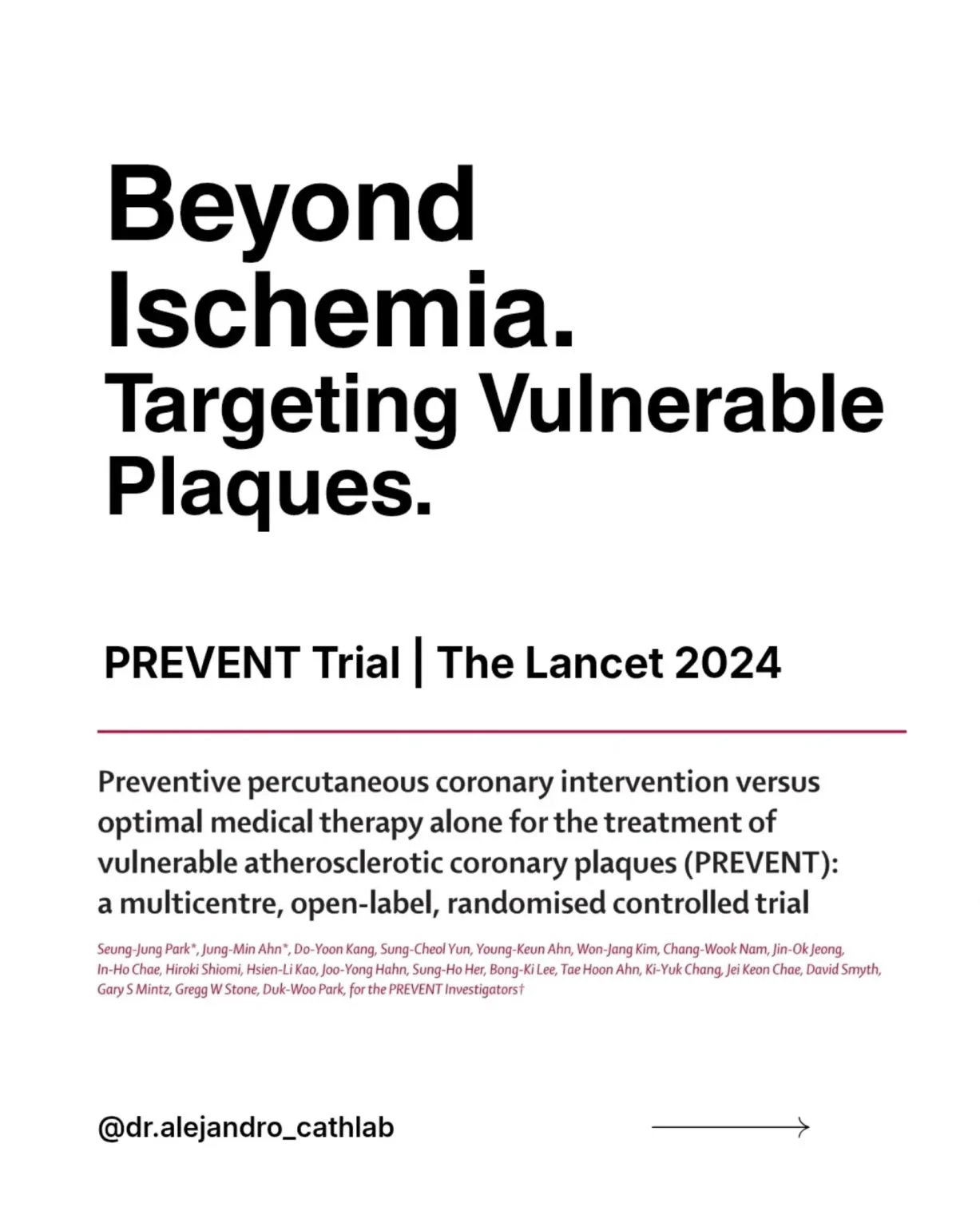
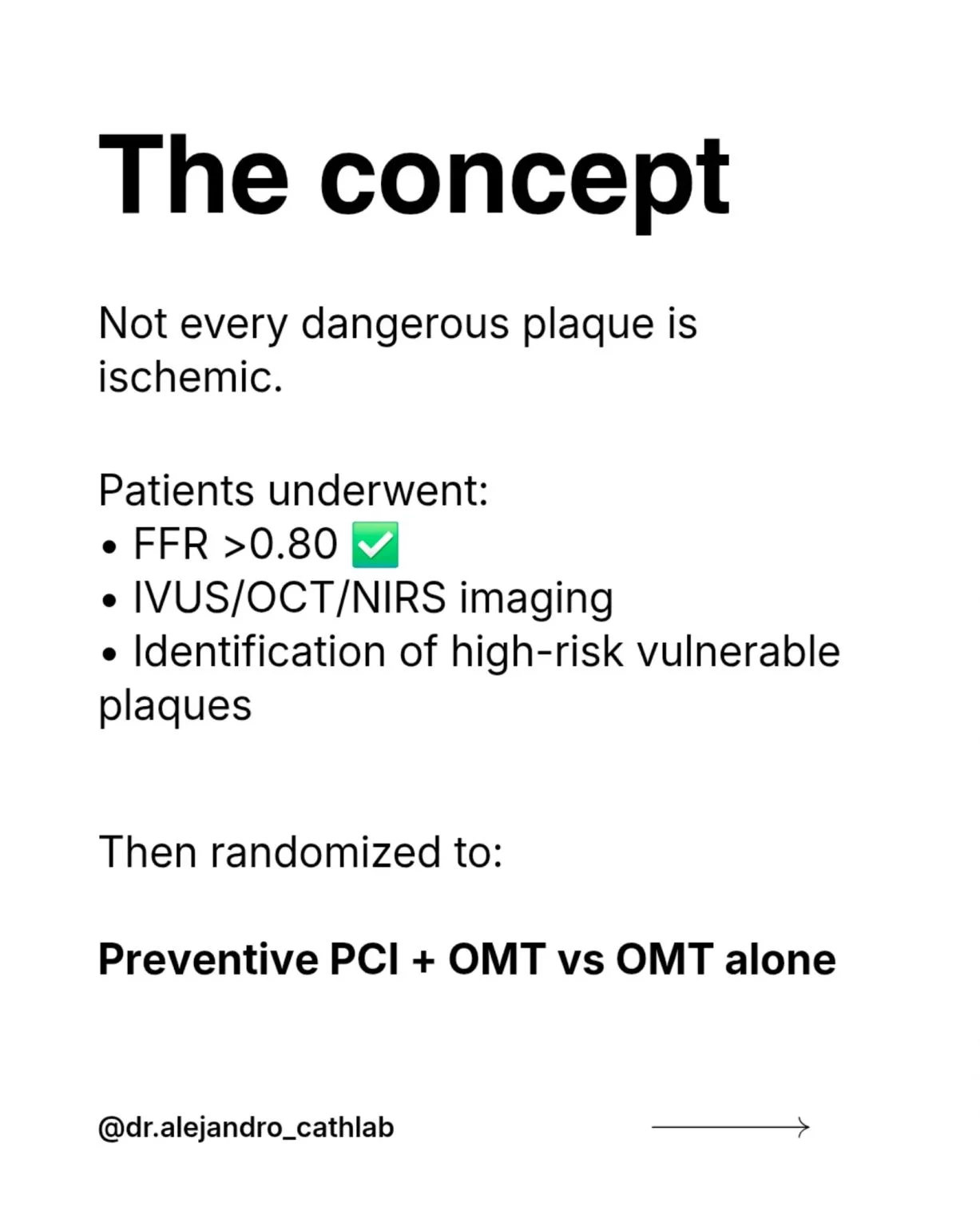
For decades, PCI has been guided primarily by ischemia. The PREVENT trial challenges that paradigm by asking a different question: should we intervene on non-flow-limiting but high-risk plaques identified by intracoronary imaging?
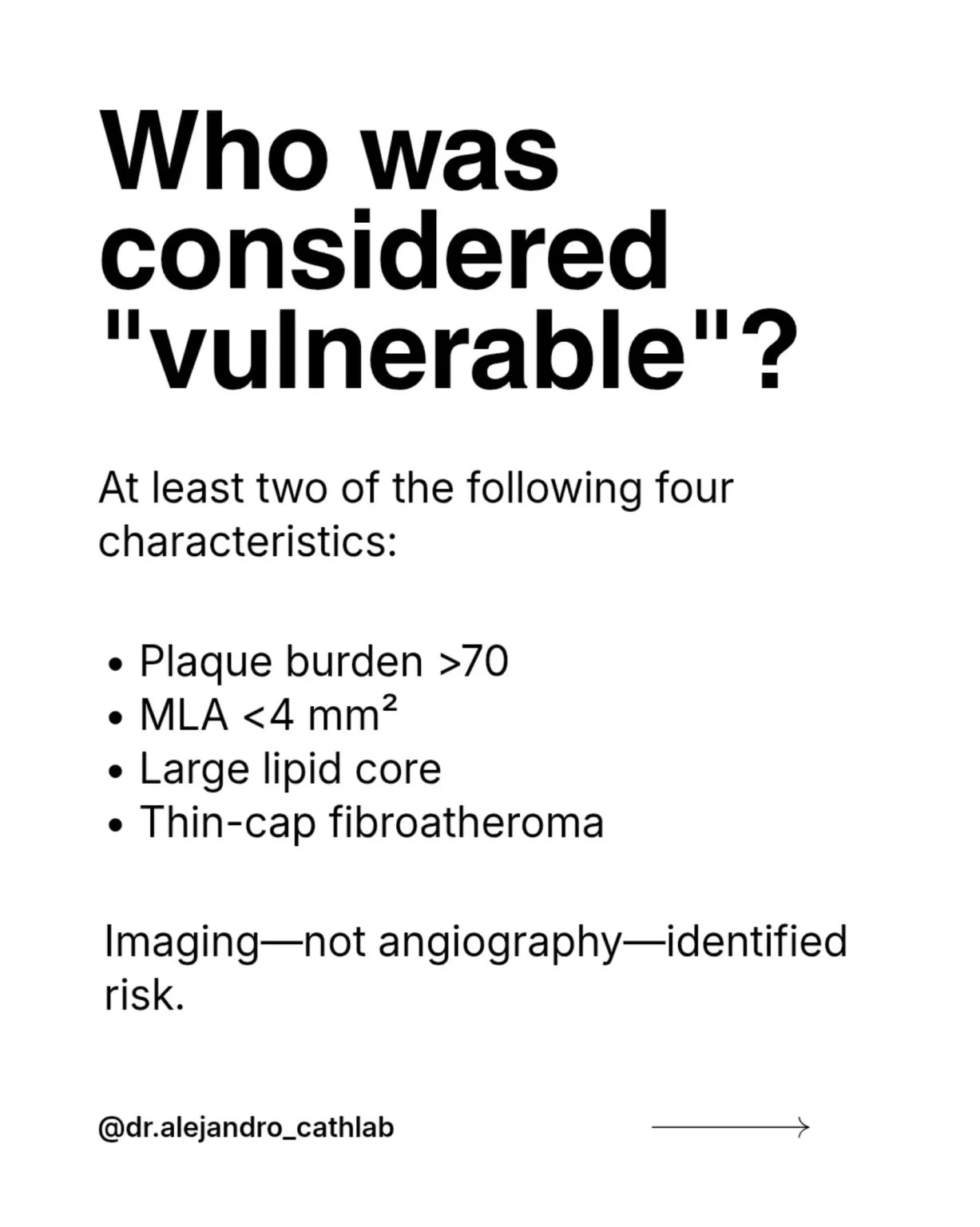
In this multicenter randomized trial, patients with FFR >0.80 and imaging-defined vulnerable plaques (identified by IVUS, OCT, or NIRS) were assigned to preventive PCI plus optimal medical therapy or optimal medical therapy alone.
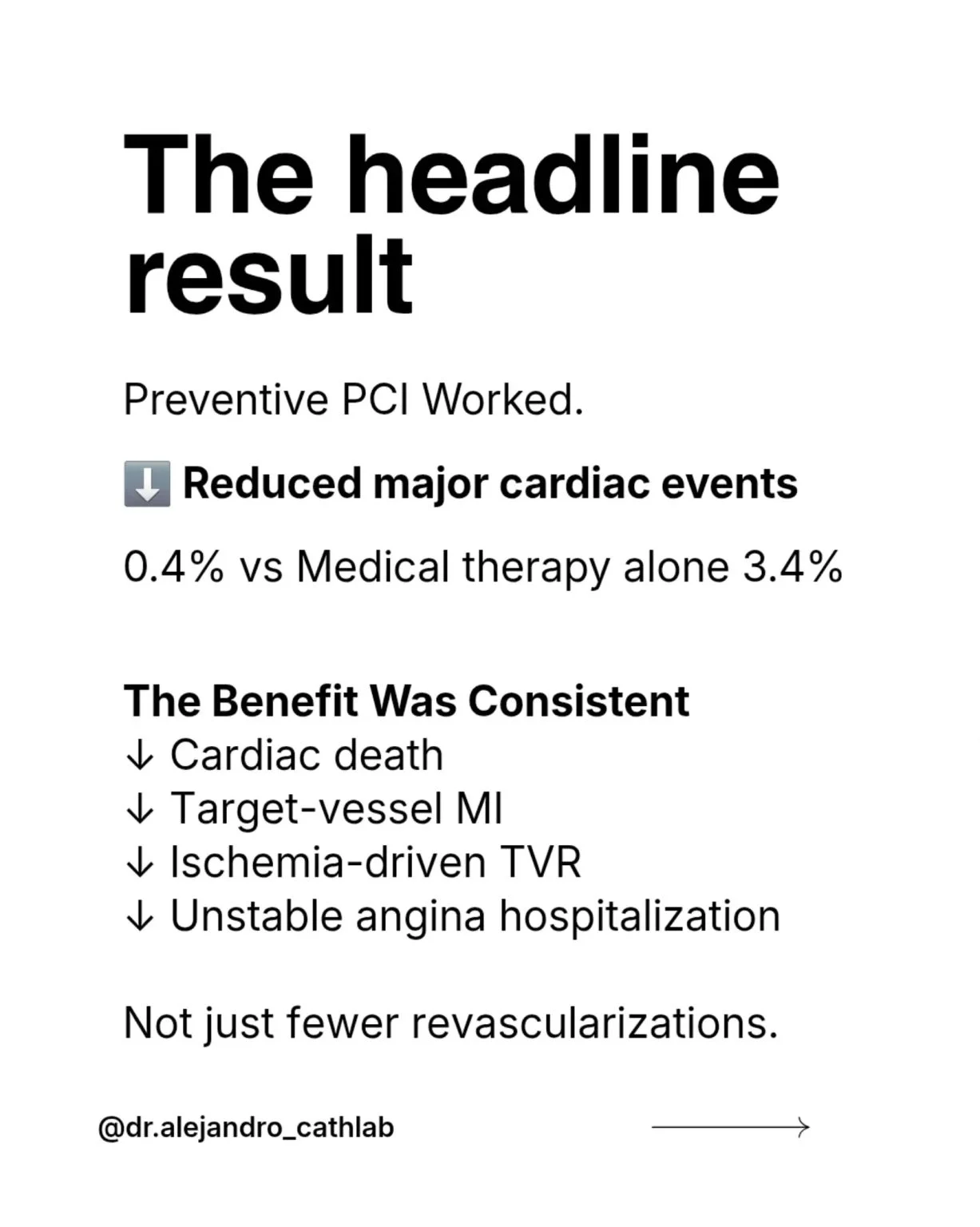
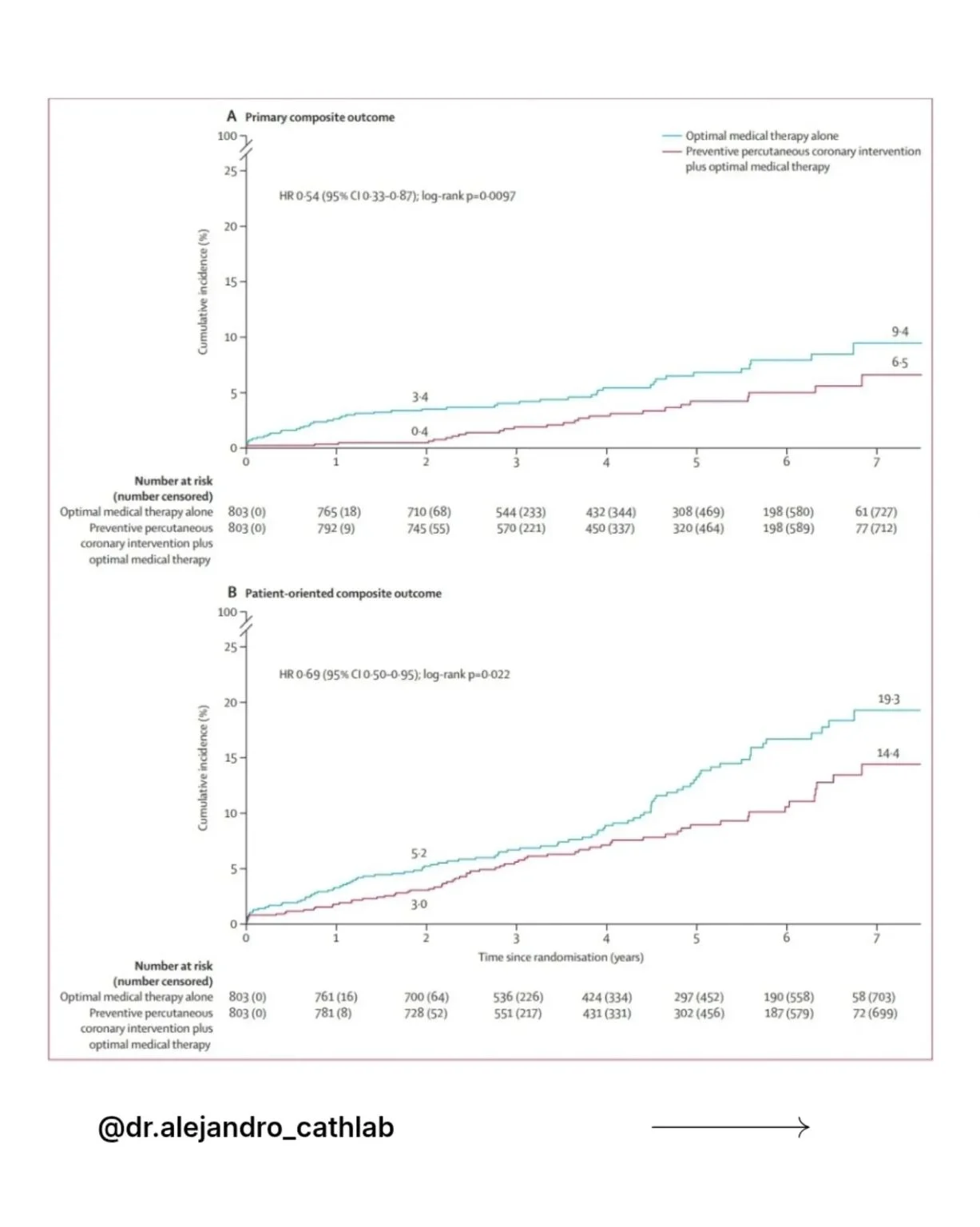
Patients in the PCI group experienced a significantly lower rate of the primary composite endpoint at 2 years (0.4% vs 3.4%), with benefits that remained evident during long-term follow-up.
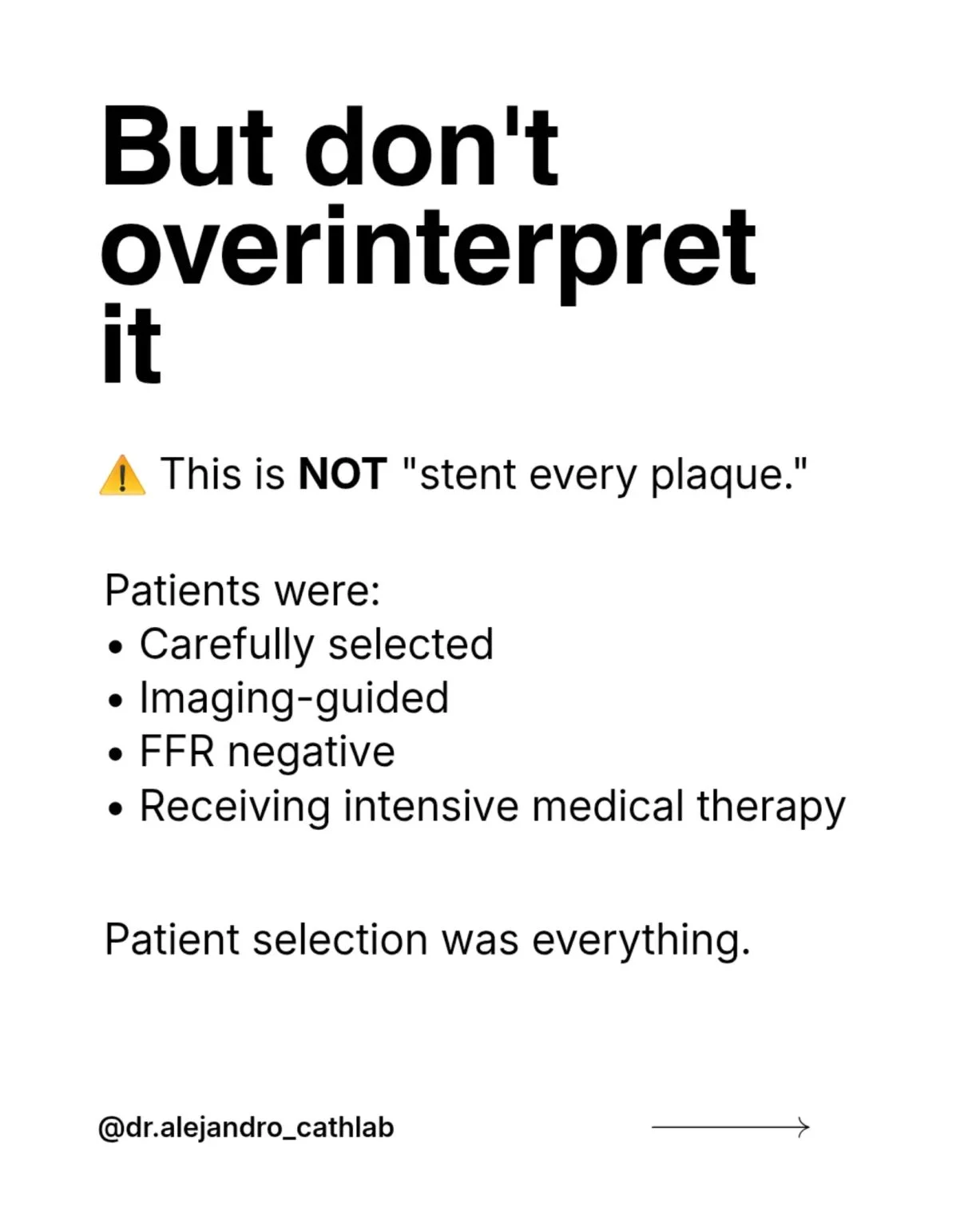
Importantly, this is not an invitation to stent every intermediate lesion.
Patients were carefully selected using intracoronary imaging, received contemporary guideline-directed medical therapy, and underwent imaging-guided PCI.
The study demonstrates the potential value of plaque characterization, not angiography alone, in identifying lesions at risk for future events.
PREVENT is the first large randomized trial to show that focal treatment of vulnerable plaques may improve outcomes beyond optimal medical therapy.
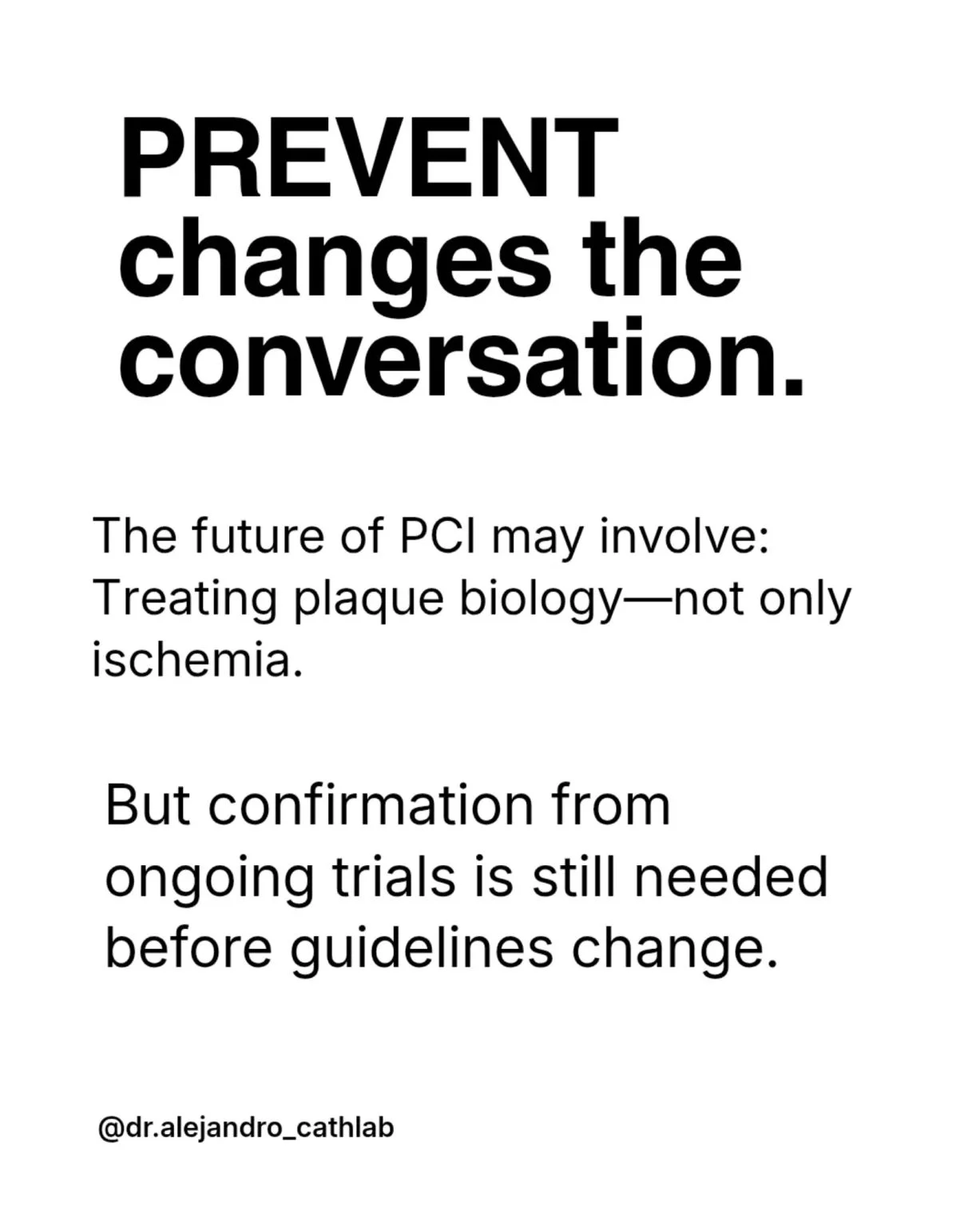
Whether this strategy should change routine clinical practice now—or awaits confirmation from ongoing trials—remains one of the most important questions in interventional cardiology.
Do you think PCI should evolve from an ischemia-guided strategy to a plaque-guided strategy?”
Title: Preventive percutaneous coronary intervention versus optimal medical therapy alone for the treatment of vulnerable atherosclerotic coronary plaques (PREVENT): a multicentre, open-label, randomised controlled trial
Authors: Seung-Jung Park, Jung-Min Ahn, Do-Yoon Kang, Sung-Cheol Yun, Young-Keun Ahn, Won-Jang Kim, Chang-Wook Nam, Jin-Ok Jeong, In-Ho Chae, Hiroki Shiomi, Hsien-Li Kao, Joo-Yong Hahn, Sung-Ho Her, Bong-Ki Lee, Tae Hoon Ahn, Ki-Yuk Chang, Jei Keon Chae, David Smyth, Gary S. Mintz, Gregg W. Stone, Duk-Woo Park
Stay updated on all scientific advances with Hemostasis Today.
-
Sep 20, 2026, 13:29Factor XI Deficiency and the Challenge of Unpredictable Bleeding – EHC
-
Sep 20, 2026, 13:18Cindy Howry: FDA Approves First Treatment for Ataxia-Telangiectasia
-
Sep 20, 2026, 13:08Mohammad Salar Amoli: When Routine Coagulation Tests Miss von Willebrand Disease
-
Sep 20, 2026, 12:55Stelios Andreadis։ Human Salivary Gland Organoids Offer New Potential for Regenerative Medicine
-
Sep 20, 2026, 12:43Obi Light Ogbonnia: The Power of Lived Experience in Sickle Cell Care
-
Sep 20, 2026, 12:34Sabrine Mekni: Advancing HSCT for Children With Fanconi Anemia
-
Sep 20, 2026, 12:11Giacomo Buso: Silent Atherosclerosis Begins Earlier Than Expected
-
Sep 20, 2026, 12:0310 Posts Not to Miss This Week
-
Sep 20, 2026, 11:27Edward Lee Carter: Prasugrel Dosing Matters in P2Y12 Inhibitor Comparisons After PCI