


Denis Oduor: Strengthening the Regulation and Delivery of Blood Transfusion and Transplantation Services
Denis Oduor, Nairobi County Blood Services Coordinator at Nairobi City County, shared a post on LinkedIn:
“Stakeholders Back Bill Seeking to Curb Illegal Human Organ Harvesting and Blood Trade
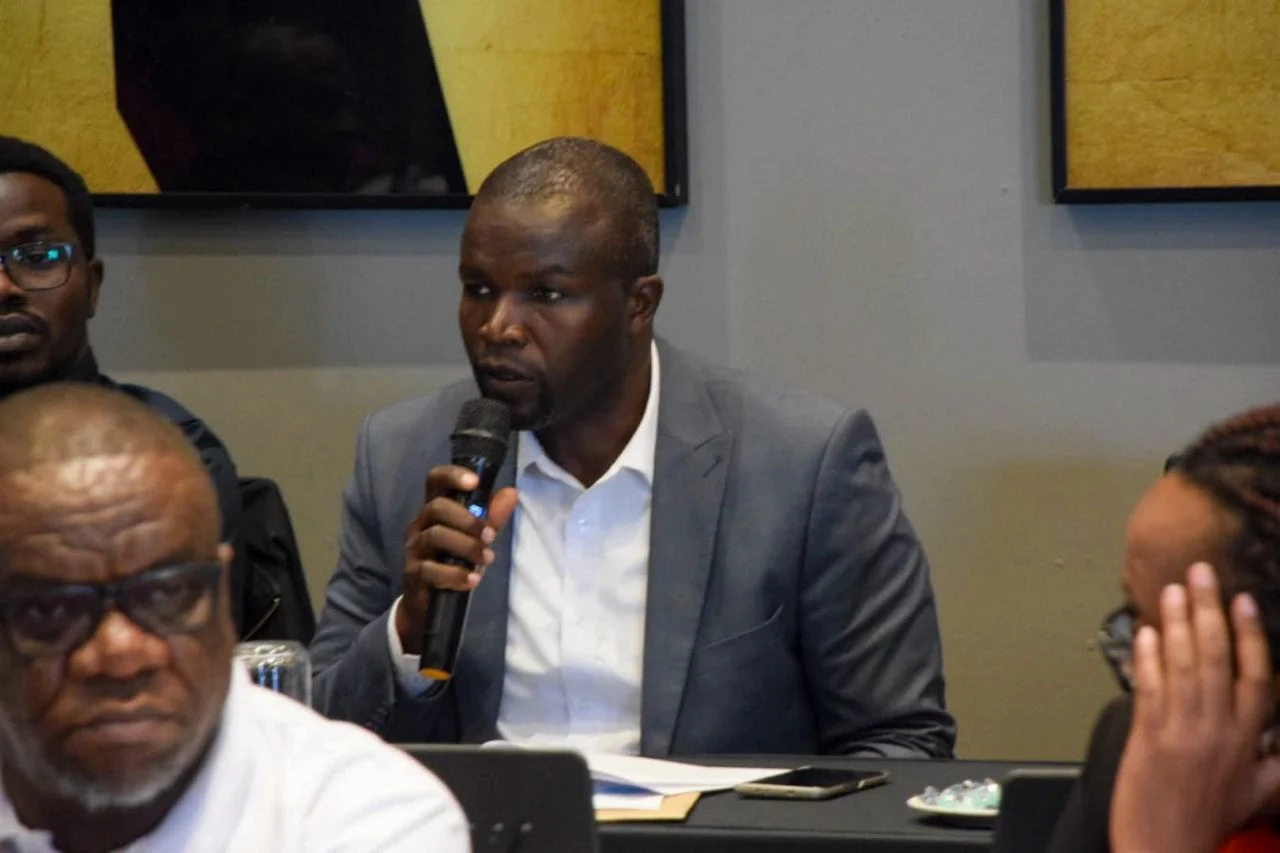
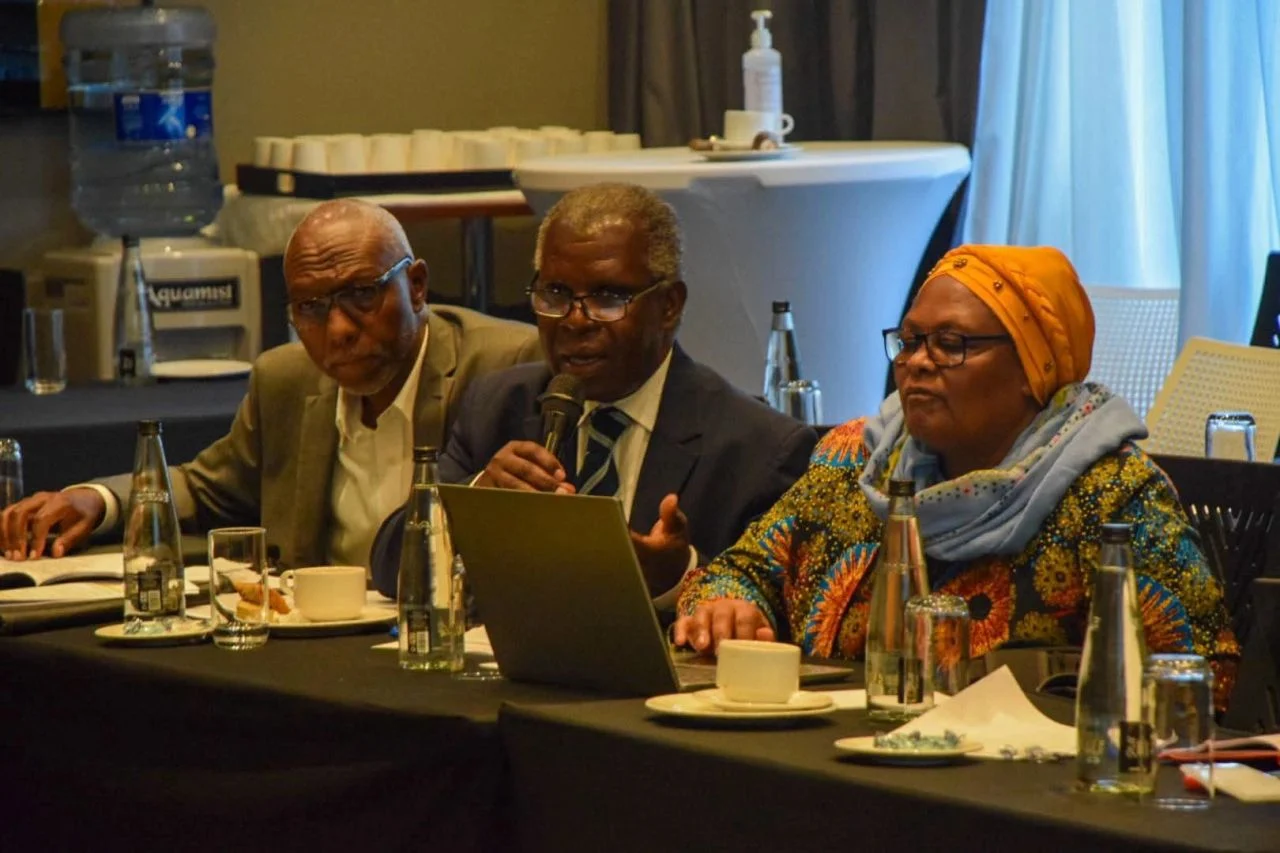
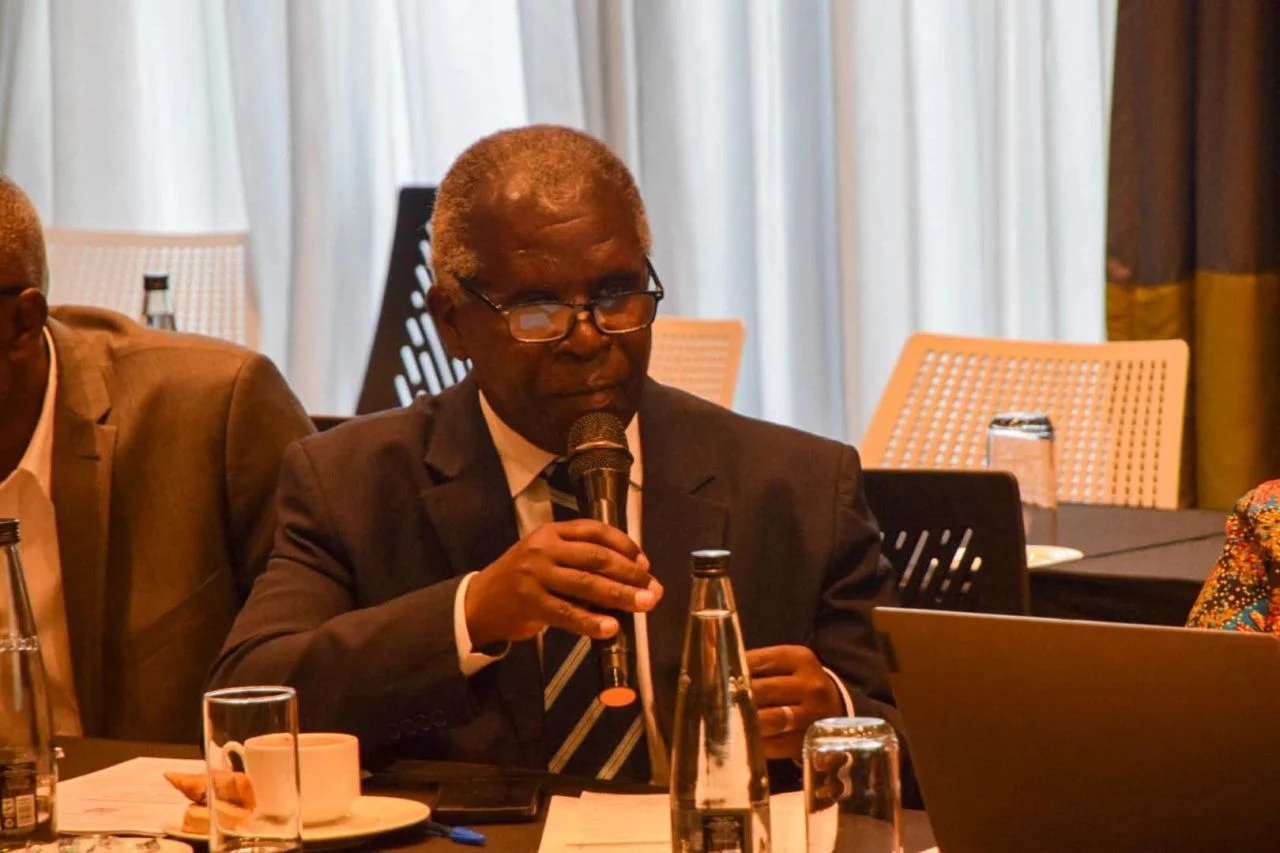
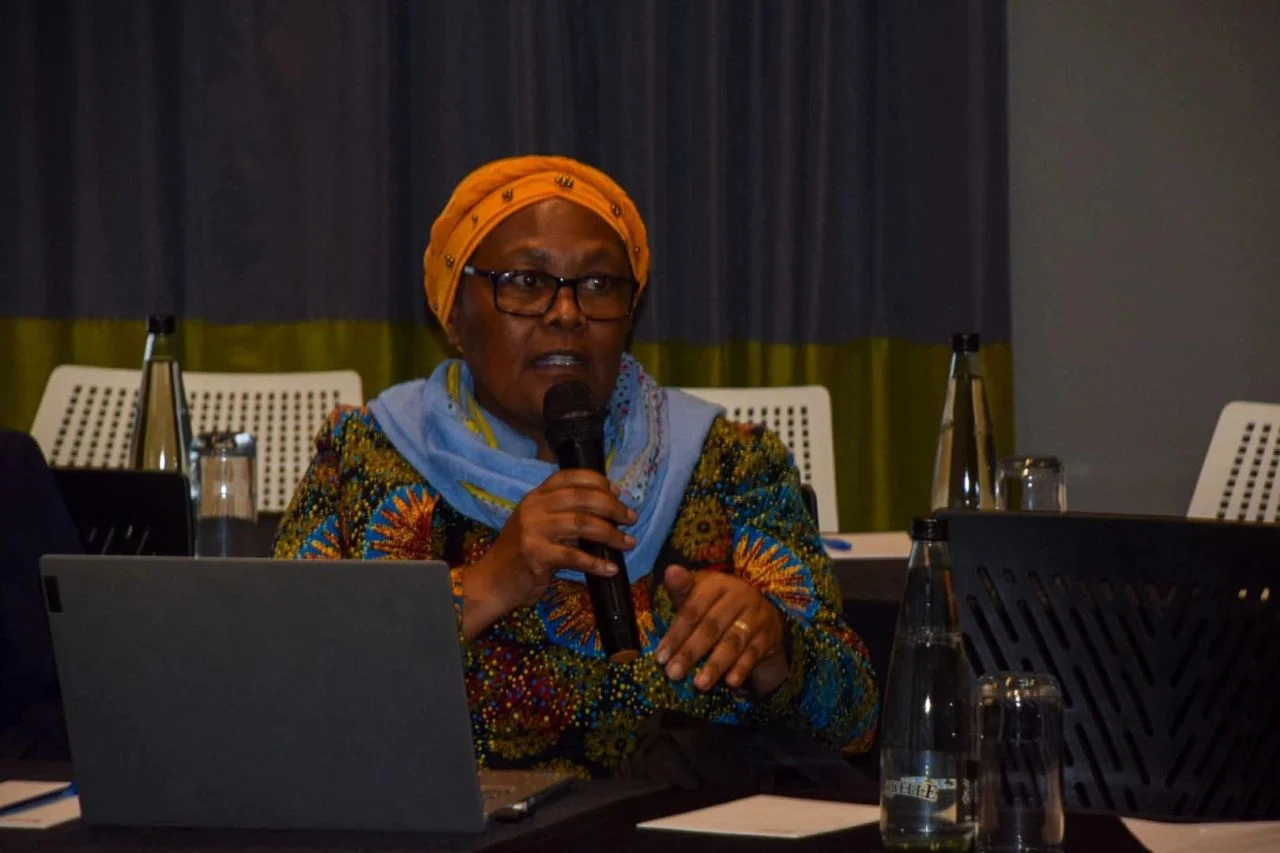
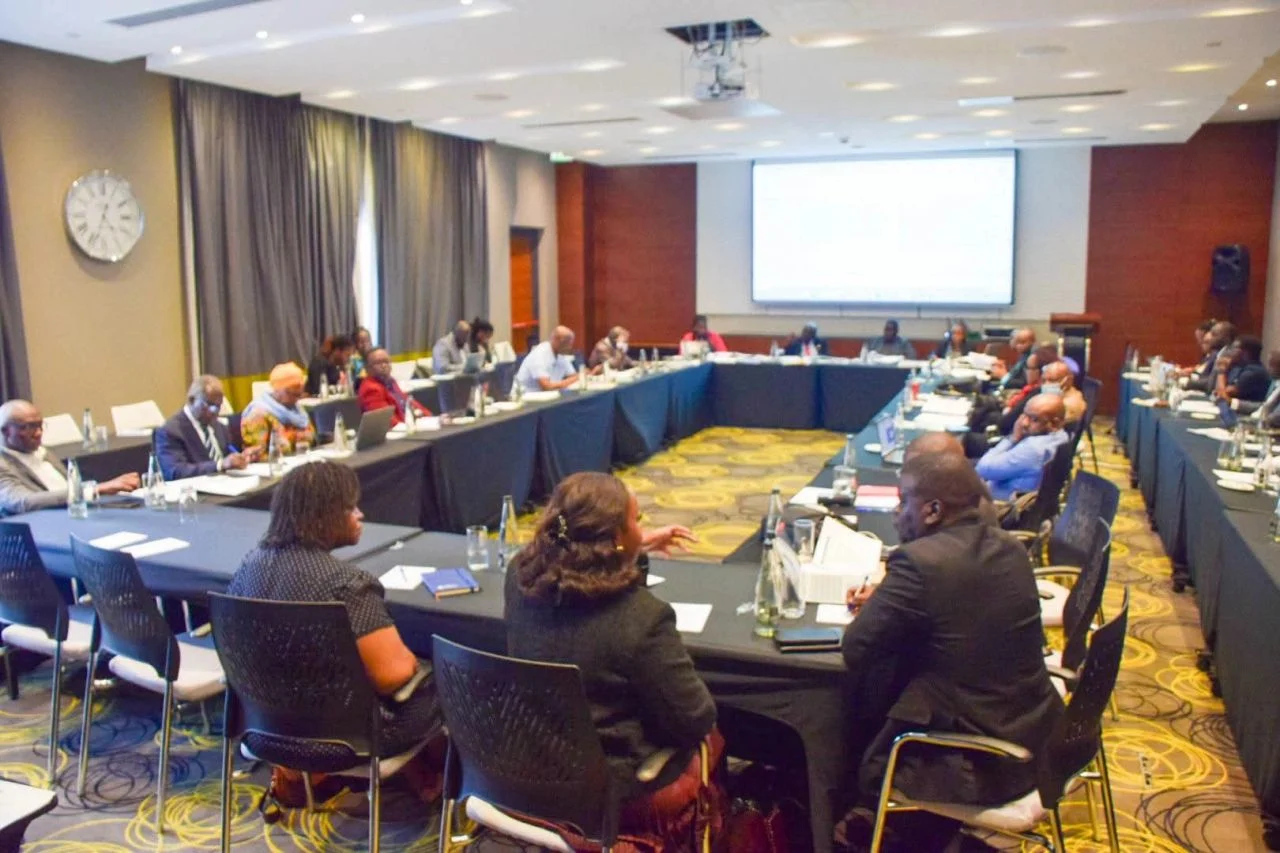
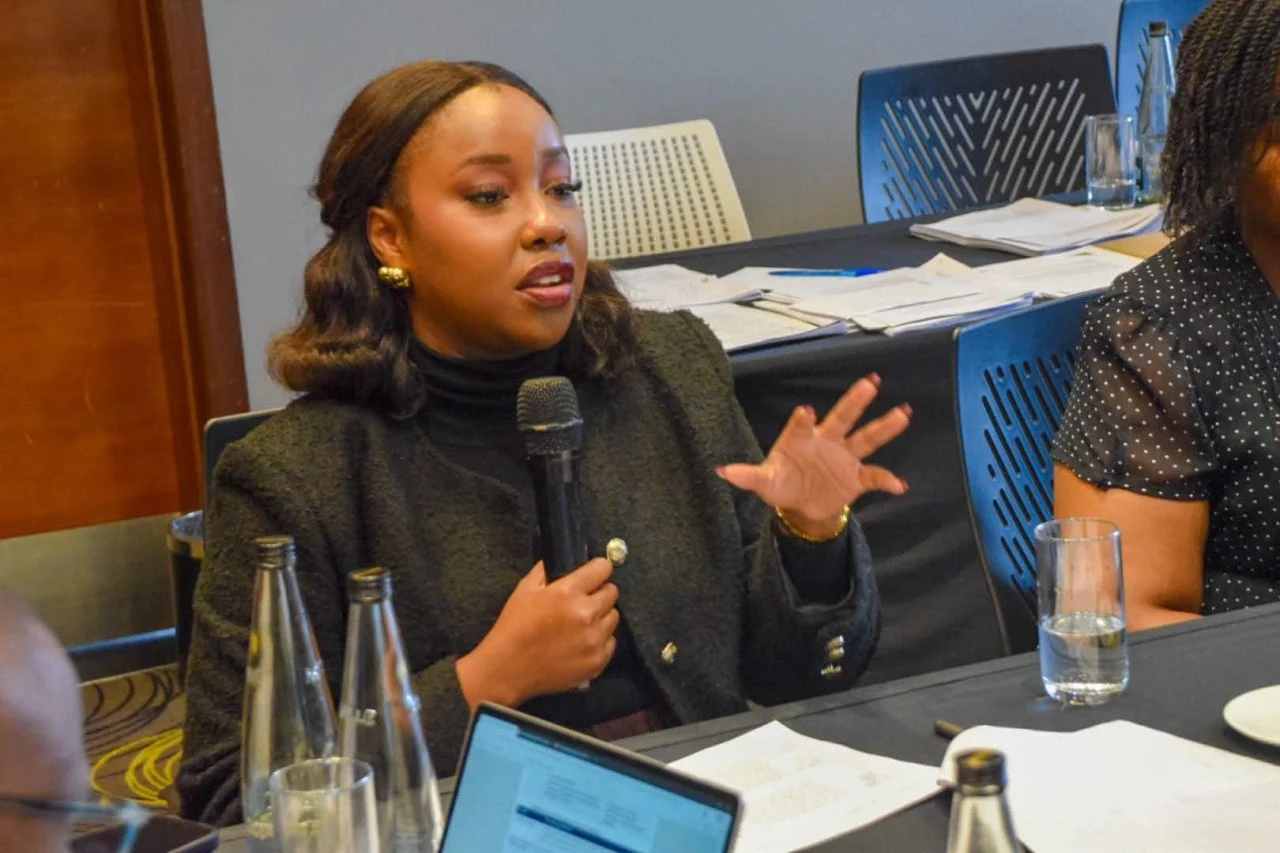
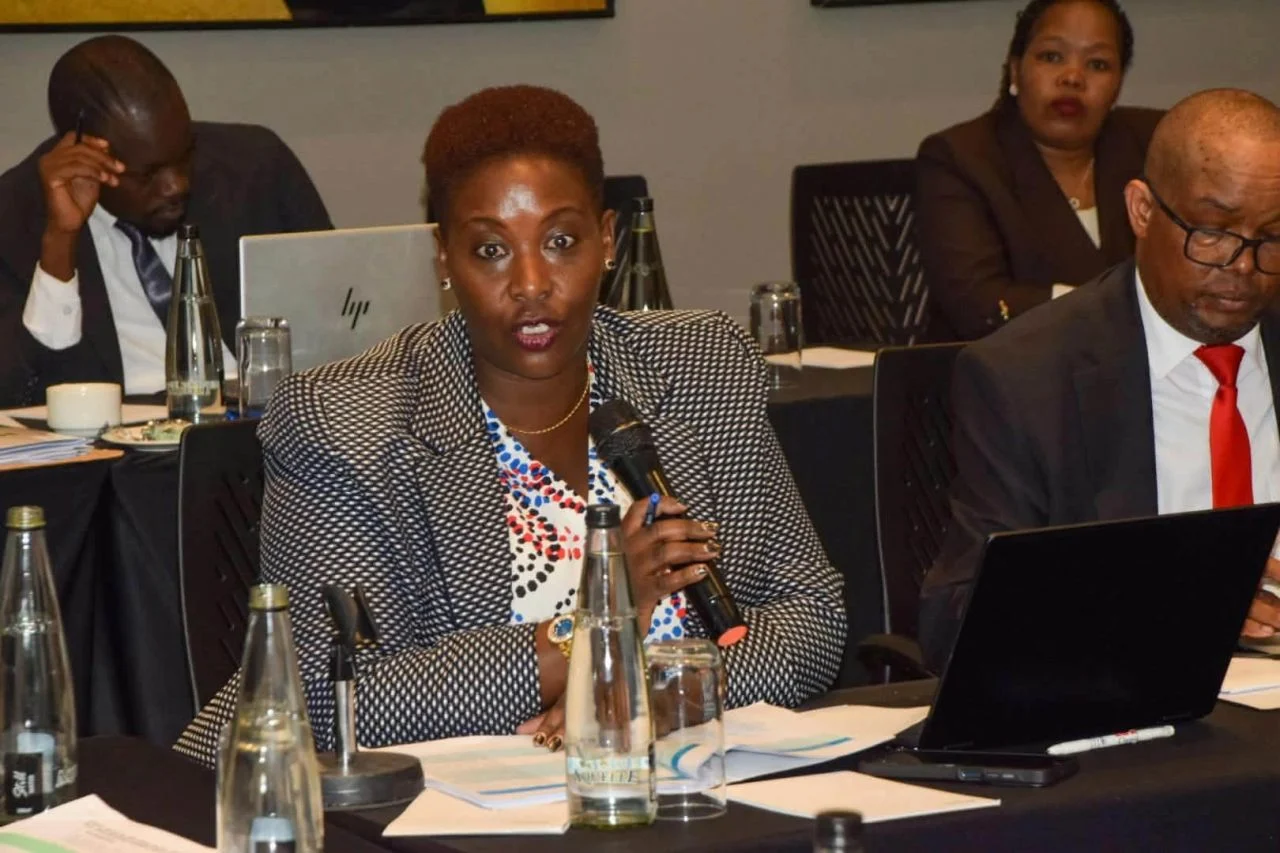
As a County Blood Services Coordinator and Chairperson of the County Blood Transfusion Coordinators Caucus, I had the privilege of participating in the public hearings on the Blood, Cells, Tissues and Organs Bill, 2026, before the National Assembly Departmental Committee on Health.
Representing blood transfusion experts from both levels of government—national and county—we joined fellow stakeholders in supporting the Bill’s overarching objective of strengthening regulation, safeguarding human dignity, ensuring equitable access and separation of service and regulatory mandate, protecting the integrity of blood transfusion service and transplantation services.
Our position is clear: blood and organ services are not merely medical commodities; they are essential components of lifesaving public health infrastructure.
As we embrace a stronger regulatory framework, it is imperative that the legislation recognises the constitutional role of county governments in delivering health services, while strengthening coordination, accountability, resource allocation and operational capacity across the two levels of government.
Blood transfusion services must remain accessible, safe, ethical and adequately funded. The law must not inadvertently weaken existing county-level investments, decentralised blood collection initiatives or the critical role of County Blood Transfusion Coordinators in bringing lifesaving services closer to communities.
We believe that a sound legal framework must protect voluntary, non-remunerated blood donation, prevent commercial exploitation, strengthen haemovigilance and ensure that blood reaches the patient—not that the patient must travel in search of blood.
Ultimately, legislation must translate into safer transfusions, stronger institutions, sustainable blood security and better patient outcomes.
Our shared responsibility is to ensure that no life is lost because of gaps in regulation, coordination, access or availability of lifesaving blood and blood products.”

Other post featuring Denis Oduor on Hemostasis Today.











-
Nov 8, 2026, 18:28Raghavendra Rao: A Narrative Review on Chronic Venous Disease during Pregnancy
-
Nov 8, 2026, 17:57Dhiren Patel: PLD1-Derived Phospholipids Regulate NAD Kinase and ROS Production in Neutrophils
-
Nov 8, 2026, 17:48Andra T.: What Causes Antiphospholipid Syndrome? – Four Steps, not One Cause
-
Nov 8, 2026, 17:38Nasrin Samadi: Can a Normal Clotting Test Be Misleading?
-
Nov 8, 2026, 17:36Paschalis Evangelidis: The Multifactorial Nature of Cardiovascular Risk in People With Hemophilia
-
Nov 8, 2026, 17:32Evangelos Panagiotopoulos: Apixaban Reduces Stroke and Major Bleeding Risk in Secondary Stroke Prevention
-
Nov 8, 2026, 17:27Danny Gaskin: Applications Open for the BBTS Specialist Certificate in Clinical Transfusion Practice
-
Nov 8, 2026, 16:54James P. Crowley: DOAC Testing Under 50 ng/mL Safely Expedites Urgent Hip Fracture Surgery
-
Nov 8, 2026, 16:21Alessandra Bosch: Women and Girls With Bleeding Disorders and the DACH Registries at HHS 2026