

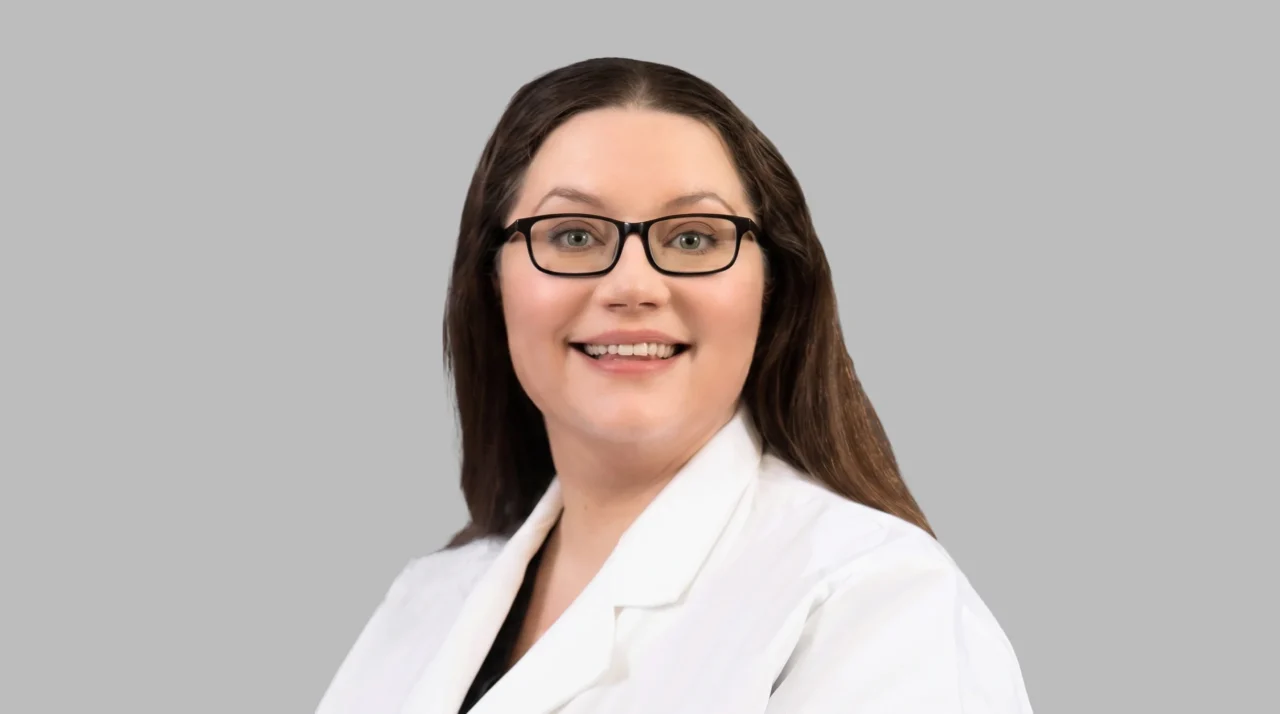
Caitlin Raymond: Unvaccinated Blood Requests and Their Impact on Patient Safety
Caitlin Raymond, Assistant Professor of Pathology and Transfusion Medicine at the University of Wisconsin-Madison, posted on LinkedIn:
“Families who request directed donation from an ‘unvaccinated’ donor believe they’re choosing the safer option.
The data says the opposite. And the people absorbing that gap are, more often than not, children.
A new two-year series out of Vanderbilt, published in Transfusion, tracked what actually happens when these requests go through.
- 48 directed units collected for 15 patients over two years, every single one driven by vaccination concerns, not medical need
- 9 of 15 patients were minors, and 100% of pediatric cases involved surrogate decision-making, compared to just 17% of adult cases
- 7 of 15 patients had a unit drawn specifically for them that was never transfused to them, it went back into general inventory instead
- Only 1 of 15 cases had a documented ethics consultation before collection
- These are children carrying the weight of a belief about vaccination status they had no part in forming and no capacity to consent around. And the weight was not abstract:
One patient’s hemoglobin fell to 5.9 g/dL, symptomatic anemia, while transfusion was delayed awaiting a directed unit. That same patient was later transfused at a hemoglobin of 9.2, a deviation from institutional guidelines, because the team didn’t want the unit to go to waste after the effort of obtaining it. A second patient developed hemodynamic shock with a hemoglobin nadir of 3.6 while waiting. Surgery was delayed or cancelled entirely for two patients because of directed-component logistics.
The cruelest part: directed donations, especially from first-time donors recruited for the occasion, actually carry higher rates of infectious disease marker reactivity than the community supply they were meant to replace. The harm compounded. A child waited longer for blood that was, if anything, less safe than what the family had refused.
This isn’t a story about families making an uninformed choice. It’s a story about a workflow that routes around the exact expertise meant to catch requests like this before the blood is drawn.
Mayo Clinic and Seattle Children’s both show a better path: structured consultation before collection, not after. Most families, once they’ve had that conversation, choose standard products.
Nine children. One ethics consult. What would it take for your institution to close that gap?”
Other posts featuring Caitlin Raymond on Hemostasis Today.
-
Sep 22, 2026, 06:53Tania L.: Women in Hematology Take the Stage in Austin
-
Sep 22, 2026, 06:35Mahmoud Hanafy: Hayat National Hospitals Achieves AABB Accreditation
-
Sep 22, 2026, 06:01Nikola Pantic: New ASH ITP Guidelines Transform First-Line Treatment
-
Sep 22, 2026, 04:43Michael Cahillane: Highlights From BBTS2026 in Glasgow
-
Sep 22, 2026, 04:15Wolfgang Miesbach: First AAV Gene Therapy Data in Adolescents With Haemophilia B
-
Sep 22, 2026, 04:03Emmanuel J Favaloro: 100 Years of VWD – A Special Virtual Issue
-
Sep 22, 2026, 03:31Mostafa Elshazly: How Is Humidification Used During Non Invasive Ventilation?
-
Sep 22, 2026, 03:05Sumyea Kabir: Jehovah’s Witnesses Update Their Position on Blood Components
-
Sep 22, 2026, 02:33Gerardo Moscatelli: The Spike Protein Cascade – From Endothelial Binding to Vascular Collapse