


Nicolas Hubacz: A New Target for Stroke Recovery
Nicolas Hubacz, Research and Clinical Products Business Development Manager at Magstim, shared a post on LinkedIn about a recent article by Yan Deng et al. published in Science Signaling, adding:
”A New Target for Stroke Recovery
Stroke treatment has made tremendous progress in restoring blood flow, but many survivors are still left with lasting white matter damage, a major cause of long-term neurological disability.
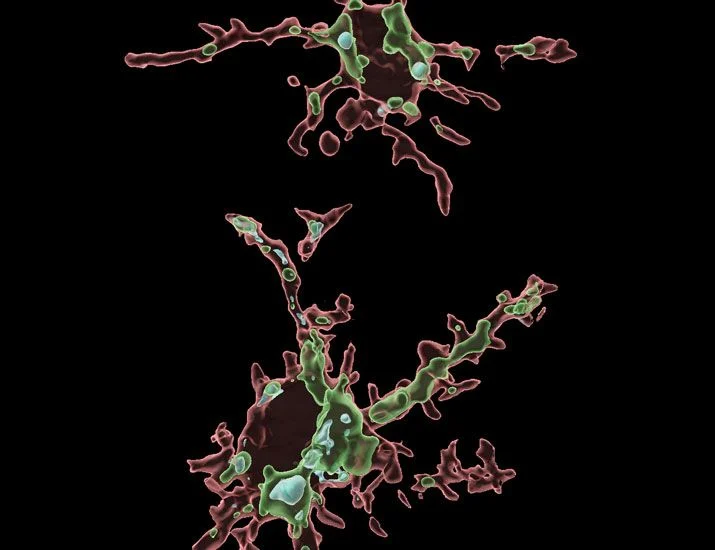
A new study published in Science Signaling identifies the adenosine 2A receptor (A2AR) on microglia as a key regulator of white matter repair after ischemic stroke in mice.
The researchers found that:
- Microglia lacking A2AR showed impaired white matter regeneration after stroke, despite having similar initial injury severity.
- Activating A2AR using blood-brain barrier–permeable agonist micelles during early reperfusion enhanced remyelination and improved both cognitive and sensorimotor recovery in mice.
- A2AR activation promoted efferocytosis, allowing microglia to clear apoptotic cells and myelin debris, helping reduce secondary inflammation and create an environment that supports remyelination.
- Mechanistically, A2AR signaling triggered HIF1α-dependent metabolic reprogramming, increasing glycolysis to provide the energy needed for sustained debris clearance.
While these findings are currently limited to preclinical models, they identify microglial A2AR signaling as a potential therapeutic target for promoting white matter repair and improving functional recovery after stroke.
Paper: Adenosine 2A receptor drives microglial efferocytosis to accelerate white matter repair and functional recovery after stroke (Science Signaling, 2026)”
Title: Adenosine 2A receptor drives microglial efferocytosis to accelerate white matter repair and functional recovery after stroke
Authors: Yan Deng, Qian He, Bolin Yao, Xiang Chen, Guangli Cheng, Minhua Xu, Jiachun Hu, Luis Graca, Xiao Zhu, Xiao-Yong Zhang, Yan You, Cong Li.
Other posts featuring Nicolas Hubacz on Hemostasis Today.
-
Oct 2, 2026, 09:20Anticoagulants, Blood Thinners, or Antithrombotic Medications? – World Thrombosis Day
-
Oct 2, 2026, 06:00Susan Wickersham: Gradual Shift towards Autologous Blood Transfusion is a Current Trend
-
Oct 2, 2026, 05:54Shamee Shastry: When Every Cell Reacts – The Hunt for Rare Blood
-
Oct 2, 2026, 05:49David Mclntosh: Expanding Plasma Protein Therapies in Underserved Regions
-
Oct 2, 2026, 05:38Dianne E. van der Wal: C-Terminal Endings Impact PAR1/PAR4 Peptide Potency in In Vitro Platelet Assays
-
Oct 2, 2026, 05:29Mohammed Alo: Your LDL Isn’t a Snapshot – It’s a Smoking Habit Measured in Years
-
Oct 2, 2026, 00:33Marwa Mostafa: Hemoglobinopathies – When Globin Genes Go Wrong
-
Oct 1, 2026, 23:46Behnood Bikdeli: Global Burden of Venous Thromboembolism
-
Oct 1, 2026, 23:46Sthanu Subramanian: Clinical Presentation, Risk Factors, Diagnosis, and Neuroimaging Findings in CVT