

Seema Dawood: A Layered Approach to Identifying Thalassemia in the Laboratory
Seema Dawood, Medical Laboratory Technologist at The Aga Khan University Hospital, shared a post on LinkedIn:
“Automated approaches to identifying thalassemia in the hematology lab.
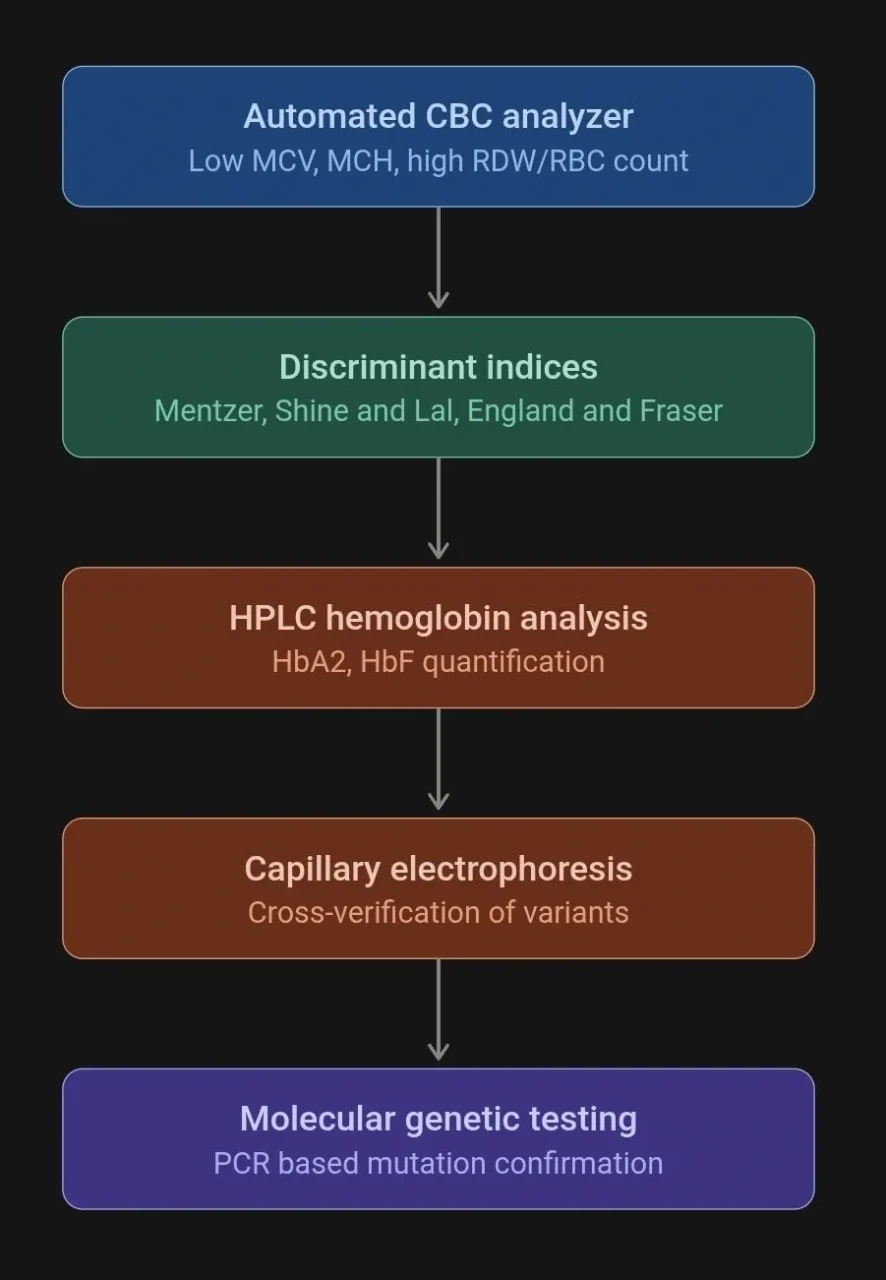
Thalassemia screening today relies on a layered automated workflow rather than a single test.
Each stage narrows the diagnosis before confirmation:
Automated CBC analyzers flag the first clue low MCV and MCH with a normal or high RBC count, often with disproportionately low RDW compared to iron deficiency anemia.
Discriminant indices (Mentzer index, Shine and Lal, England and Fraser) computed from these same automated parameters help differentiate thalassemia trait from iron deficiency before further testing.
HPLC quantifies HbA2 and HbF levels, the key markers separating beta-thalassemia trait from other microcytic anemias.
Capillary electrophoresis serves as a cross-verification method for hemoglobin variants, particularly useful when HPLC results are borderline.
PCR-based molecular testing confirms the specific mutation, essential for carrier screening and prenatal counseling.
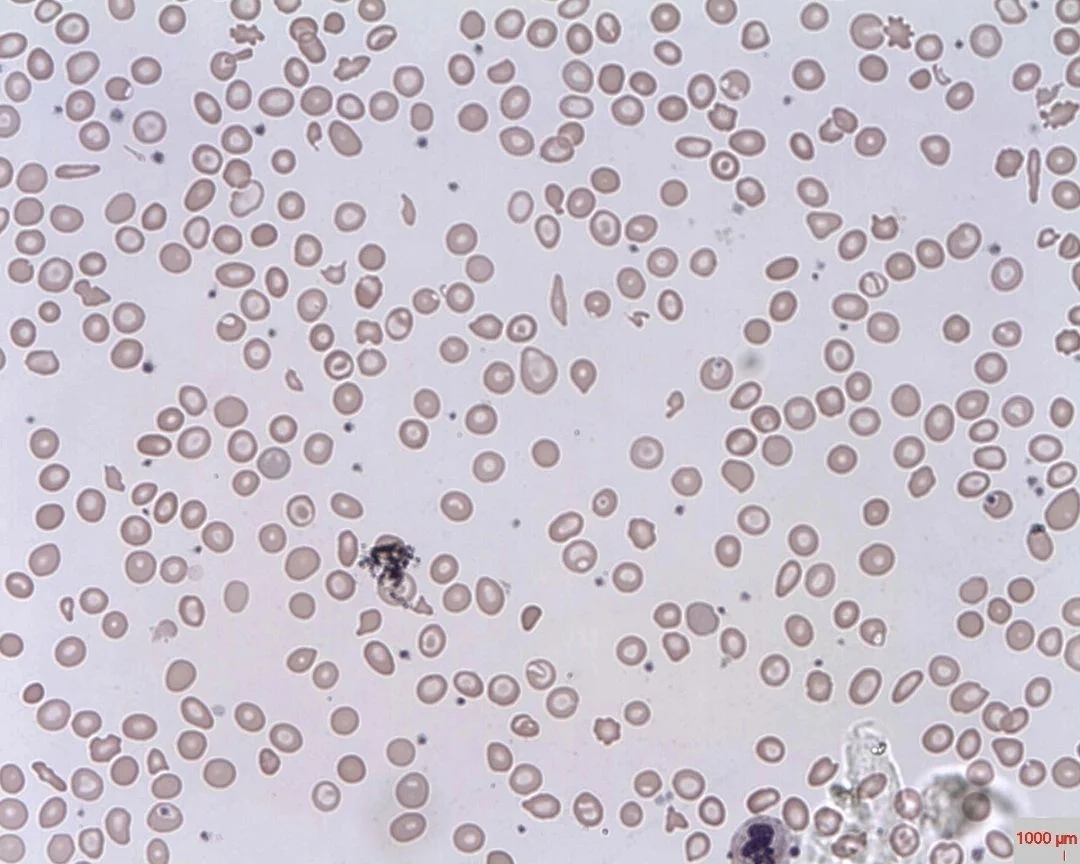
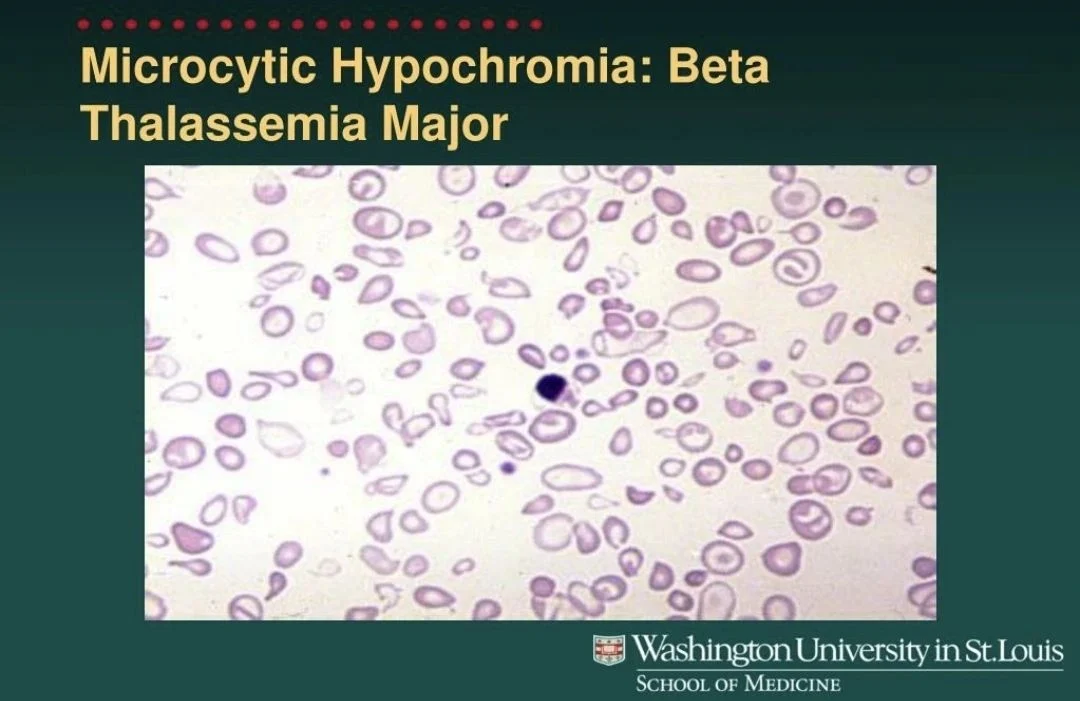
Peripheral blood smear morphology (target cells, microcytosis, hypochromia) still anchors the initial suspicion automation doesn’t replace the morphologist’s eye, it supports the workflow that follows it.”
Other posts featuring Seema Dawood on Hemostasis Today.
-
Oct 13, 2026, 11:24Brandon Daniel D’Costa: Building Stronger Stakeholder Relationships Through Empathy and Open Communication
-
Oct 13, 2026, 11:08Renel Tique: 5th International Conference on Hemophilia and Rare Bleeding Disorders
-
Oct 13, 2026, 02:01Nour Al-Mozain: Is It Really Anti-D? – Unraveling Auto-Anti-LW in the Transfusion Laboratory
-
Oct 13, 2026, 01:51Berenice Villegas: The Role of Morphologic Evaluation in Body Fluid Differential Analysis
-
Oct 13, 2026, 01:44Debadrita Ray: Evaluating vWF and VITRO Score for Detecting CSPH in cACLD Patients
-
Oct 13, 2026, 01:34Nagesh Ramesh: Donating Blood for International Plasma Awareness Week
-
Oct 12, 2026, 21:51Sam Botchey: Orthobiologics Are Advancing but the Evidence Must Keep Pace
-
Oct 12, 2026, 21:50Serum Vitamin D, Platelet Function, and Bleeding in Primary ITP – Platelets Journal
-
Oct 12, 2026, 21:30Nika Samadzadeh Tabrizi: Looking Forward to the PACeS Trial on Anticoagulation for POAF