


Kavya Keerthana: A Potentially Important Advance in Polycythemia Vera
Kavya Keerthana, Hematologist at Prime Health, shared a post on LinkedIn:
“A potentially important advance in Polycythemia Vera (PV).
In PV, excess red blood cells increase the risk of blood clots, stroke and heart attack.
For years, regular phlebotomy has been a cornerstone of treatment—but repeated blood removal can also lead to iron deficiency.
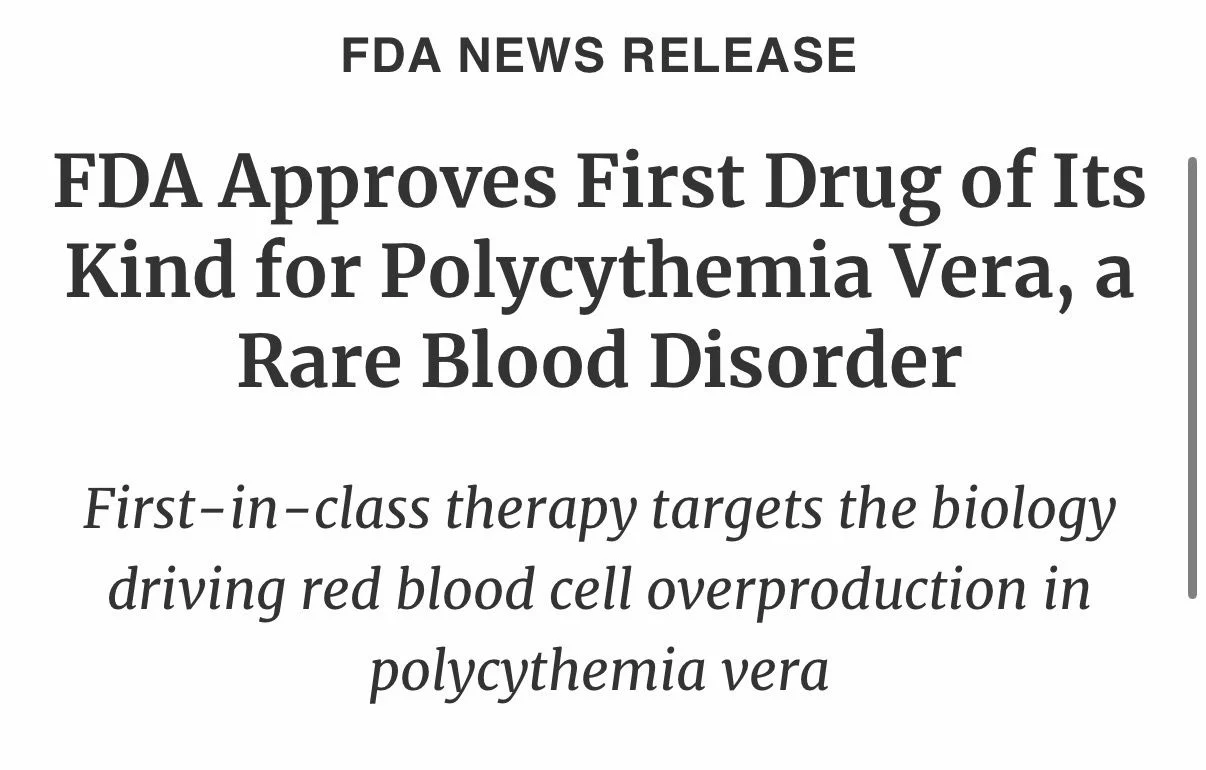
The FDA has approved rusfertide, a hepcidin mimetic that offers a different approach by regulating iron availability and reducing excessive red blood cell production.
In the Phase 3 VERIFY trial, 76.9 percent of patients receiving rusfertide achieved clinical response, with fewer phlebotomies and improvements in symptoms such as fatigue.
A fascinating shift in how we think about managing PV.”
Find more posts featuring Kavya Keerthana on Hemostasis Today.
-
Oct 18, 2026, 02:43Priya Sriskandarajah: Diagnosis and Management of PV and JAK2-Unmutated Erythrocytosis
-
Oct 18, 2026, 02:41C. Michael Gibson: A Meta-Analysis of DOACs and DAPT After Left Atrial Appendage Closure
-
Oct 18, 2026, 02:27What Hematologists Should Remember About the Person Behind the Platelet Count – ASH
-
Oct 18, 2026, 01:44Marta Velia Antonini: How to Deliver CRRT during ECMO?
-
Oct 18, 2026, 01:19Aamir Saeed: Anticoagulation, Cirrhosis, and Other Risk Factors for Post-ERCP Bleeding
-
Oct 18, 2026, 00:33Elad Asher: Does Opening the Clot Change How a Patient Feels Three Months Later?
-
Oct 18, 2026, 00:22Richa Sharma: Evaluating Heterogeneity in Anticoagulation Treatment Effects in Cryptogenic Stroke
-
Oct 18, 2026, 00:07Irem Karaman Sebin: The Evidence Favoring Warfarin in High-Risk Antiphospholipid Syndrome
-
Oct 18, 2026, 00:07Emma Stevens: Lighting Up Buildings in Red and Blue for World Thrombosis Day