

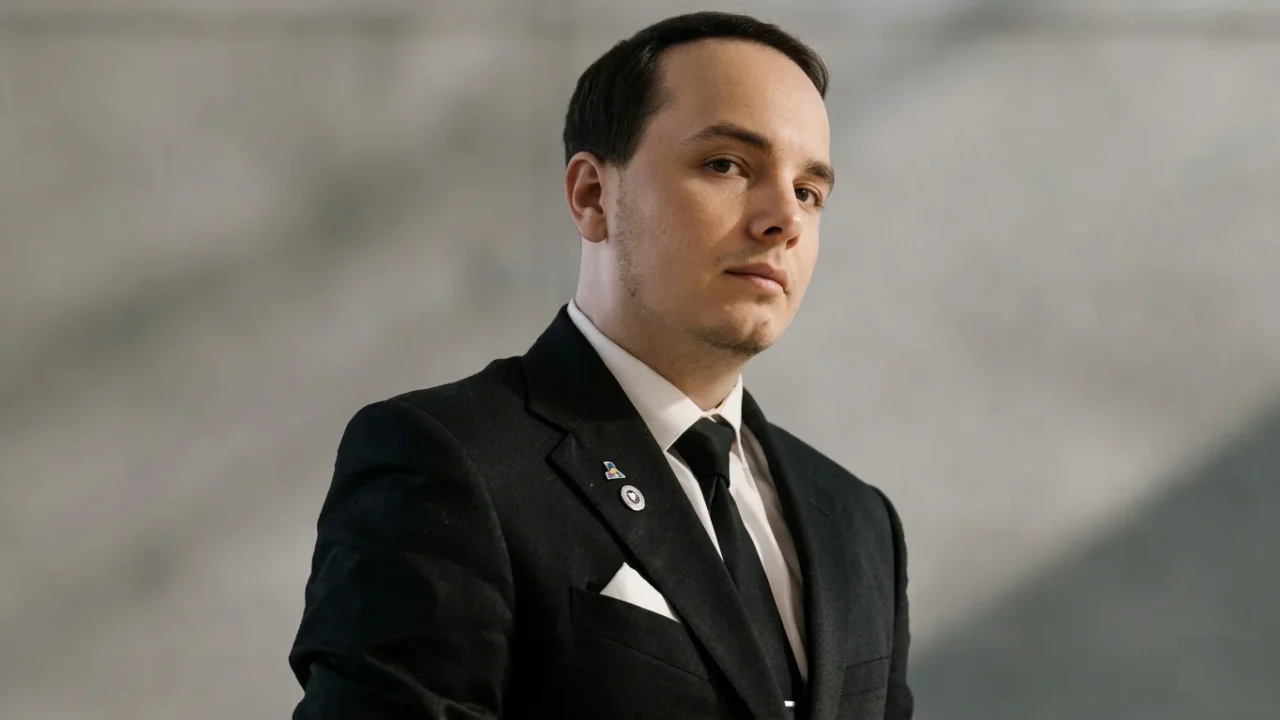
Francisco Chacón-Lozsán: Perhaps We Are Treating ‘Sepsis’ When We Should Be Treating an Immune Phenotype
Francisco Chacón-Lozsán, Fellow at World Extreme Medicine, Member of European Society of Intensive Care Medicine (ESICM) and American College of Cardiology, shared a post on LinkedIn about a recent article by Shuai Ren et al., published in Critical Care, adding:
“Sepsis-related immunosuppression: perhaps we are treating ‘sepsis’ when we should be treating an immune phenotype
This review summarizes the growing evidence that sepsis can produce profound dysfunction of both innate and adaptive immunity, and importantly, hyperinflammation and immunosuppression may occur simultaneously, rather than as two clean sequential phases.
This distinction matters clinically.
During sepsis, monocytes may progressively lose antigen-presenting capacity through reduced HLA-DR expression, accompanied by altered cytokine production and increased IL-10. Macrophage polarization toward immunoregulatory phenotypes further amplifies this process.
Neutrophils are abundant but not necessarily effective.
Chemotaxis and pathogen-directed migration may become impaired, while NET formation can simultaneously promote endothelial injury, immunothrombosis and organ dysfunction.
Adaptive immunity is also affected.
CD4⁺ and CD8⁺ T-cell depletion, lymphocyte apoptosis, T-cell exhaustion, B-cell dysfunction and increased expression of inhibitory checkpoints such as PD-1/PD-L1 contribute to an immune system that may remain highly activated yet increasingly incapable of clearing infection.
The review highlights several potential approaches.
Absolute lymphocyte count is readily available but relatively nonspecific. Monocyte HLA-DR (mHLA-DR) measured by flow cytometry remains one of the most established markers of sepsis-associated immunosuppression.
Dynamic IL-10 measurements and functional assessment of monocyte TNF-α production after ex-vivo stimulation may provide additional information.
And this is where the therapeutic concept becomes particularly interesting.
Instead of suppressing inflammation indiscriminately, selected patients might eventually require immune restoration.
IL-7 can increase CD4⁺ and CD8⁺ lymphocyte numbers by stimulating proliferation and reducing apoptosis, but whether this translates into less organ dysfunction or lower mortality remains uncertain.
GM-CSF can restore monocyte and neutrophil function and increase mHLA-DR. Some studies suggest fewer infectious complications and shorter antibiotic exposure, but a survival benefit has not been established.
IFN-γ may similarly restore monocyte function and mHLA-DR expression, while PD-1/PD-L1 blockade offers an intriguing strategy for reversing immune exhaustion.
However, checkpoint inhibition remains predominantly preclinical in sepsis and raises obvious concerns about excessive immune activation.
IV immunoglobulin and mesenchymal stem-cell therapies are also discussed, but evidence remains heterogeneous and insufficient for routine phenotype-directed use.”
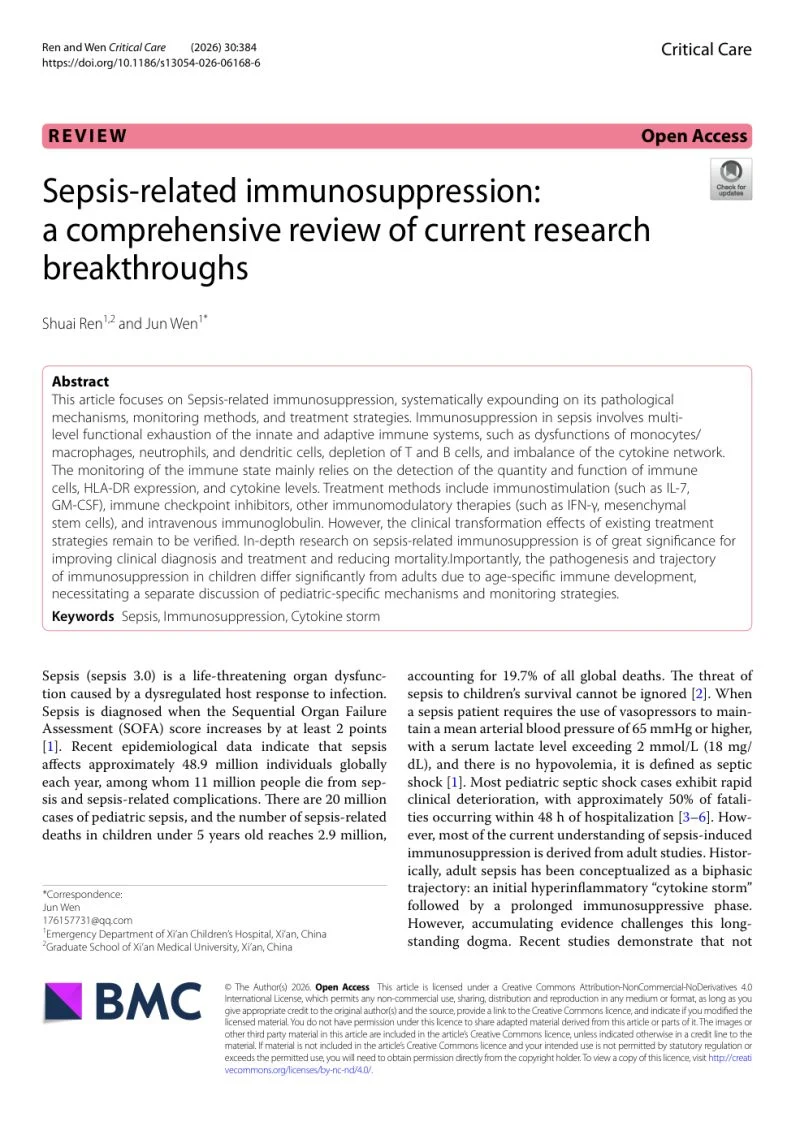
Title: Sepsis-related immunosuppression: a comprehensive review of current research breakthroughs
Authors: Shuai Ren, Jun Wen
Stay updated on all scientific advances with Hemostasis Today.
-
Sep 10, 2026, 16:53Flora Peyvandi: A New Approach to Coagulation with Bispecific Antibodies
-
Sep 10, 2026, 16:46Aswin K Mohan: HLA Beyond Histocompatibility – Redefining Immune Recognition in Modern Medicine
-
Sep 10, 2026, 16:40Satyam Arora: Pediatric Apheresis – When Every Millilitre Matters
-
Sep 10, 2026, 16:39Marco Moscarelli: When CT Reveals Thrombosis After TAVI
-
Sep 10, 2026, 16:23Antonio Paul: When a Low Platelet Count Does Not Mean Weak Clotting
-
Sep 10, 2026, 16:12Balancing Thrombosis and Bleeding in Antiphospholipid Syndrome
-
Sep 10, 2026, 16:07Miguel Teran: Why ROTEM Will Redefine Major Bleeding Management
-
Sep 10, 2026, 16:04Isaac Okello: Where Skyline Meets Savannah – Quiet Moments at GASCDO in Nairobi
-
Sep 10, 2026, 15:58Joyisa Deb: How Immune Recognition Reshapes Clinical Practice