


Paul Cane: Antenatal Haemoglobinopathy Screening From Laboratory Testing to Family Care
Paul Cane, Deputy Chief Medical Officer at SYNLAB UK and Ireland, shared a post on LinkedIn:
“Did you know our laboratory screens more than 15,000 antenatal patients for haemoglobinopathies each year?
Most carriers are completely healthy and unaware they carry a genetic variant, yet identifying that carrier status can make all the difference when planning a family.
This photograph shows some of the dedicated Synnovis Specialist Red Cell Centre Team: Shilan Nasim, Ifeyinwa Eze, Rosanna Crooks, Zabnas Mohamed Abdul Cader, Beatrice Kyere, Elisabeth Oboma and Sarah Wilson.
The team plays a vital role in the antenatal screening programme, helping to identify individuals who carry a haemoglobinopathy associated with conditions such as sickle cell disorder or thalassaemia.
While carriers are usually healthy and may never experience symptoms themselves, identifying carrier status enables prospective parents to better understand the likelihood of passing these conditions on to their children.
To deliver this service, the laboratory uses Bio-Rad Laboratories Variant II analysers.
These systems use high-performance liquid chromatography (HPLC) to separate and measure different types of haemoglobin, allowing the team to screen for a wide range of haemoglobinopathies.
Interpreting haemoglobinopathy investigations requires considerable scientific expertise.
The team reviews complex chromatographic patterns and correlate findings with a broader range of tests, including full blood count and biochemistry results.
This ensures patients and clinicians receive accurate, reliable results that can inform important healthcare decisions; whether that means offering reassurance, supporting genetic counselling, guiding antenatal care, or helping a family understand the risk of inheriting these blood disorders.
A sincere thank you to this outstanding group of professionals, and the wider haemoglobinopathy service, for the expertise, dedication and care they bring to their work. Their contribution happens behind the scenes, but its impact on patients and families lasts for generations.”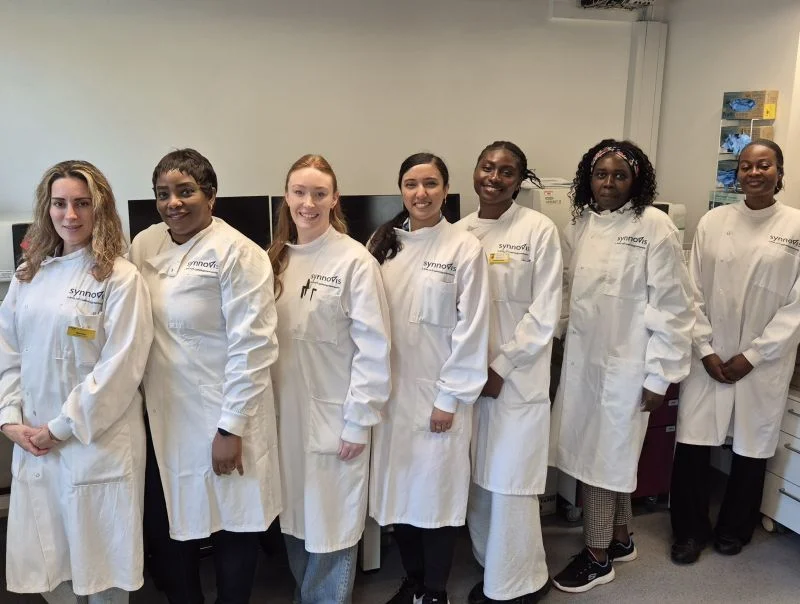
Stay updated with Hemostasis Today.
-
Sep 20, 2026, 15:28Nico Gagelmann: iMTSS to Dissect the Drivers of Post-Transplant Outcomes
-
Sep 20, 2026, 15:10Ashenafi Tazebew Amare: Building the Future of Blood and Specialized Healthcare
-
Sep 20, 2026, 15:03Bastu Odoka: How Much Does Blood Transfusion Raise Hemoglobin in Children?
-
Sep 20, 2026, 14:58Julieta Rosales: Advancing Evidence-Based Stroke Care Through Education and Collaboration
-
Sep 20, 2026, 14:52Maha Othman: The Life, Function and Death of Platelets
-
Sep 20, 2026, 14:14New Insights Into Platelet Production in Glanzmann Thrombasthenia – Glanzmann’s Research Foundation
-
Sep 20, 2026, 13:29Factor XI Deficiency and the Challenge of Unpredictable Bleeding – EHC
-
Sep 20, 2026, 13:18Cindy Howry: FDA Approves First Treatment for Ataxia-Telangiectasia
-
Sep 20, 2026, 13:08Mohammad Salar Amoli: When Routine Coagulation Tests Miss von Willebrand Disease