

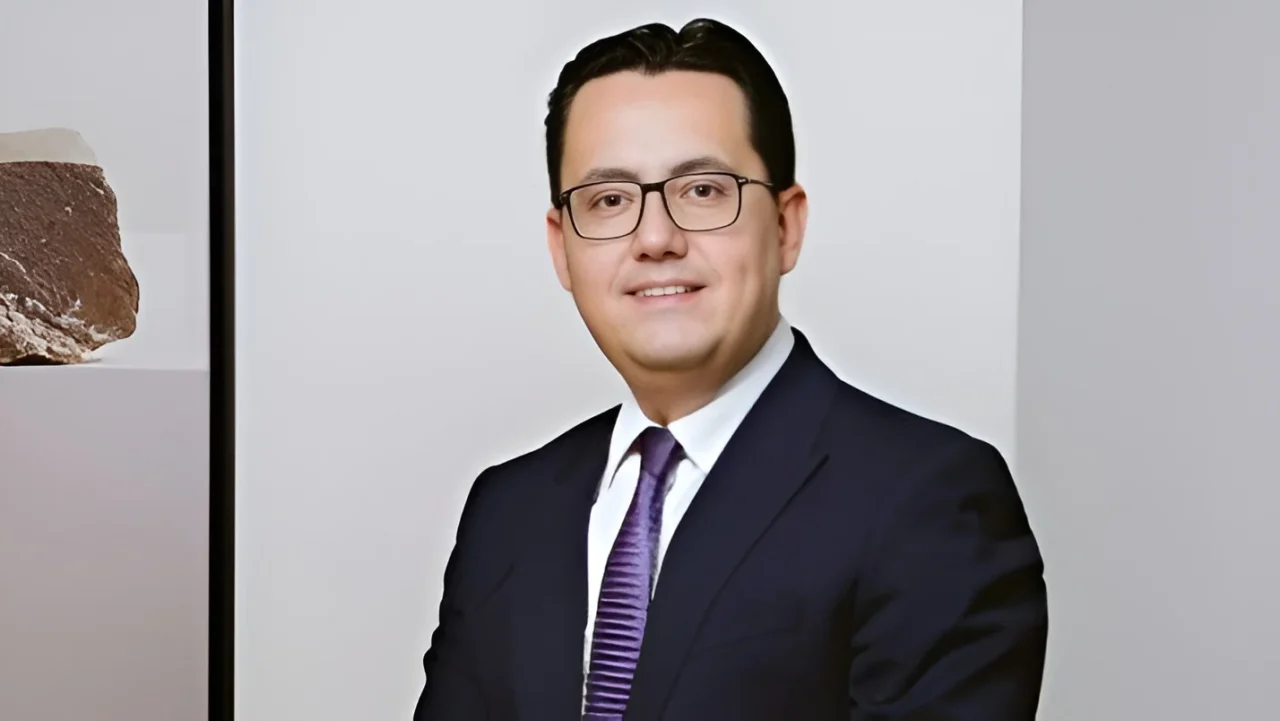
Fatih Mehmet Gul: Are We Moving Faster Than Our Ability to Ask ‘Should We?’
Fatih Mehmet Gul, Country CEO of Apex Health, shared a post on LinkedIn:
“The most dangerous trends in healthcare today
Becker’s Healthcare asked healthcare leaders a simple question this month: what is the most dangerous trend in healthcare today?
I read the answers twice.
Most of them are not about technology failing.
They are about leadership habits.
Here is what stayed with me:
- AI arriving through the back door. New features switched on inside the EMR by a vendor update, or a clinician quietly using a tool on their phone. Nobody evaluated it. Nobody is monitoring it. It is already touching patients.
- Automation bias. The moment a clinician stops questioning the screen because the screen is usually right. Human oversight does not survive on its own; it has to be designed and protected.
- Confusing deployment with transformation. Go-live is not an outcome. A system that is installed but not embedded in how people actually work is an expensive way to change nothing.
- Cutting people to justify the technology. Roles removed before the workflow is proven, and institutional knowledge that leaves with them.
- Fragmentation dressed up as specialisation. More clinics, more platforms, more data, and a patient who still has no one holding the whole picture between visits.
- The widening attack surface. Every connected device and every integration is a door. Cybersecurity is now a patient-safety issue, not an IT line item.
What these have in common: speed without governance. We are moving faster than our ability to ask ‘should we?’
I have spent 20 years in hospitals across this region, and I don’t think any of these are American problems. Some of them are arriving here faster because we are building new.
Now your turn: what are the most dangerous trends in healthcare today?”

Stay updated with Hemostasis Today.
-
Sep 21, 2026, 14:10Aswin K Mohan: Lessons from TRANSCON 2026: Building Resilient Blood Supply Systems Before Crisis Hits
-
Sep 21, 2026, 14:00Vincent Lu: Beyond PT and aPTT – How Hemostasis Evolves Across a Lifetime
-
Sep 21, 2026, 13:56Alex Knapp: Emerging Tech, Space Tow Trucks, and New Advances in Hemophilia Treatment
-
Sep 21, 2026, 13:51Abdalhakim Shubietah: pLAAO Fails Noninferiority to OAC in Landmark Meta-Analysis of 7 RCTs
-
Sep 21, 2026, 13:21In His Last UNGA, António Guterres Delivers a Urgent Call for Global Unity
-
Sep 21, 2026, 13:08Sangita Reddy: How Does Our Own Healthcare Journey in India Look Through the Same Lens?
-
Sep 21, 2026, 12:53Conan McIlwrath: Strengthening Haemophilia Care Through International Collaboration
-
Sep 21, 2026, 12:41Tinatin Muradashvili: Advancing Hemophilia Care Through Education and Collaboration
-
Sep 21, 2026, 12:15Kholoud Al Busaidi: Cold Agglutination and Its Impact on CBC and Blood Grouping Results