


Mbonjo Bitsie Dora: Strengthening Sickle Cell Care Through Education, Awareness and Innovation
Mbonjo Bitsie Dora, Founder at Break Sickle Cycle Movement, shared a post on LinkedIn:
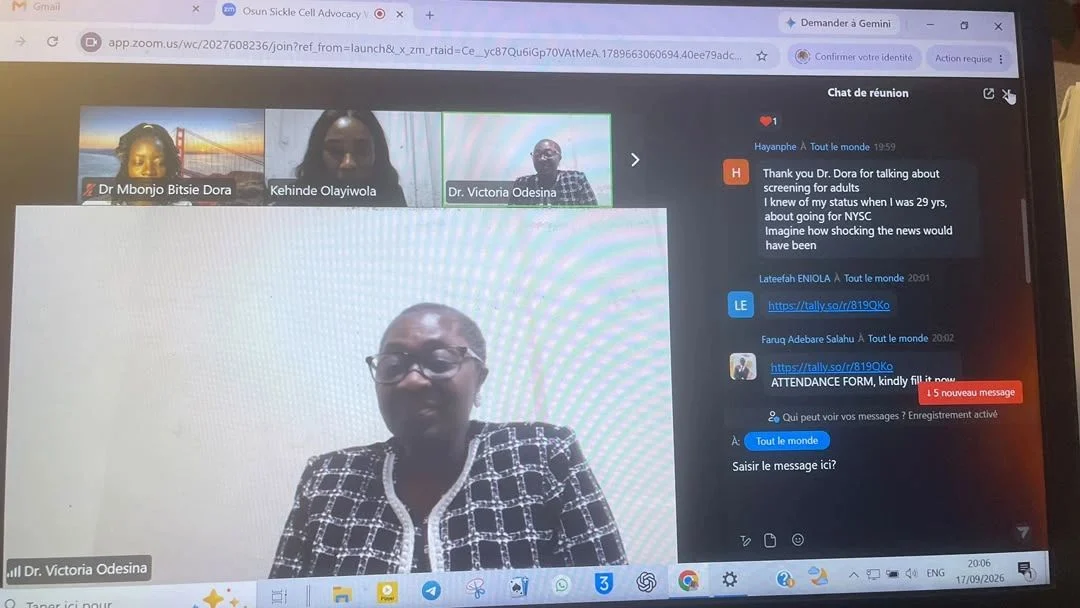
“Last week, I had the privilege of serving as a panelist at the Osun Sickle Cell Advocacy Working Group Symposium, and honestly, it was such an enriching experience.
I had the opportunity to learn from distinguished experts, including Professor Norah Akinola and Victoria Odesina, who have dedicated many years of their careers to sickle cell disease.
I was also especially happy to share the panel with my sister, such an inspiring warrior, Ajefu Catherine
The three day symposium brought together different perspectives around one important question:
How do we build stronger systems for people living with sickle cell disease?
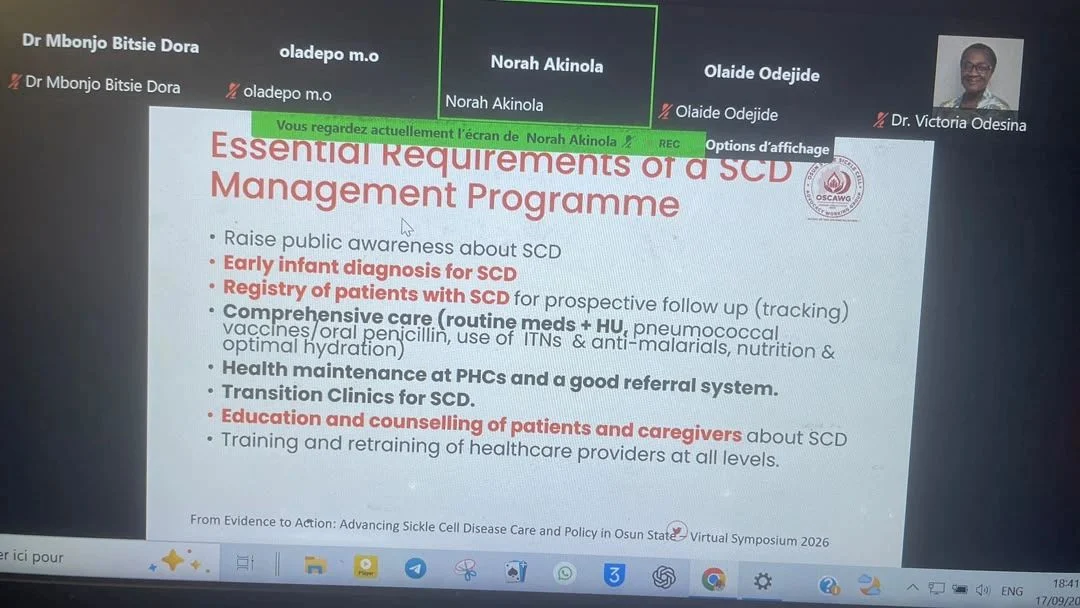
Several important priorities came up throughout the discussions:
- Raising public awareness about sickle cell disease
- Making newborn screening and early diagnosis accessible
- Ensuring comprehensive care, including routine and preventive treatment
- Strengthening sickle cell services within primary healthcare centres
- Establishing effective transition clinics for adolescents moving from paediatric to adult care
- Providing continuous education and counselling for patients and caregivers
- Promoting therapeutic education to help warriors better manage their condition
- Training and continuously retraining healthcare professionals at every level
When I was given the opportunity to share my perspective on what should be prioritized within the health system over the next 12 months, I emphasized on one thing.
‘We cannot keep building facilities if the people working within the health system are not adequately trained to care for people living with sickle cell disease.’
A person experiencing a pain crisis may first present at a primary healthcare centre. If the healthcare personnel there are not equipped with the knowledge and skills to recognize and manage sickle cell complications appropriately, having specialized facilities elsewhere will not be enough.
Another part of the symposium that really caught my attention was the discussion around technology and innovation.
Mr. Caleb Anthony Audu presentation highlighted the enormous potential of digital platforms to transform sickle cell education and care.
Instead of reaching hundreds or a few thousand people at a time through physical gatherings, we can equip young people, healthcare professionals and medical students with the skills to create responsible digital health content that can reach thousands of people.
Technology can also support practical solutions such as applications for tracking pain crises, digital platforms for patient education, and tools that help warriors identify available healthcare facilities when they need care.
Thank you to the organizers, speakers, panelists and everyone who made the Osun State Sickle Cell Symposium such a valuable experience.”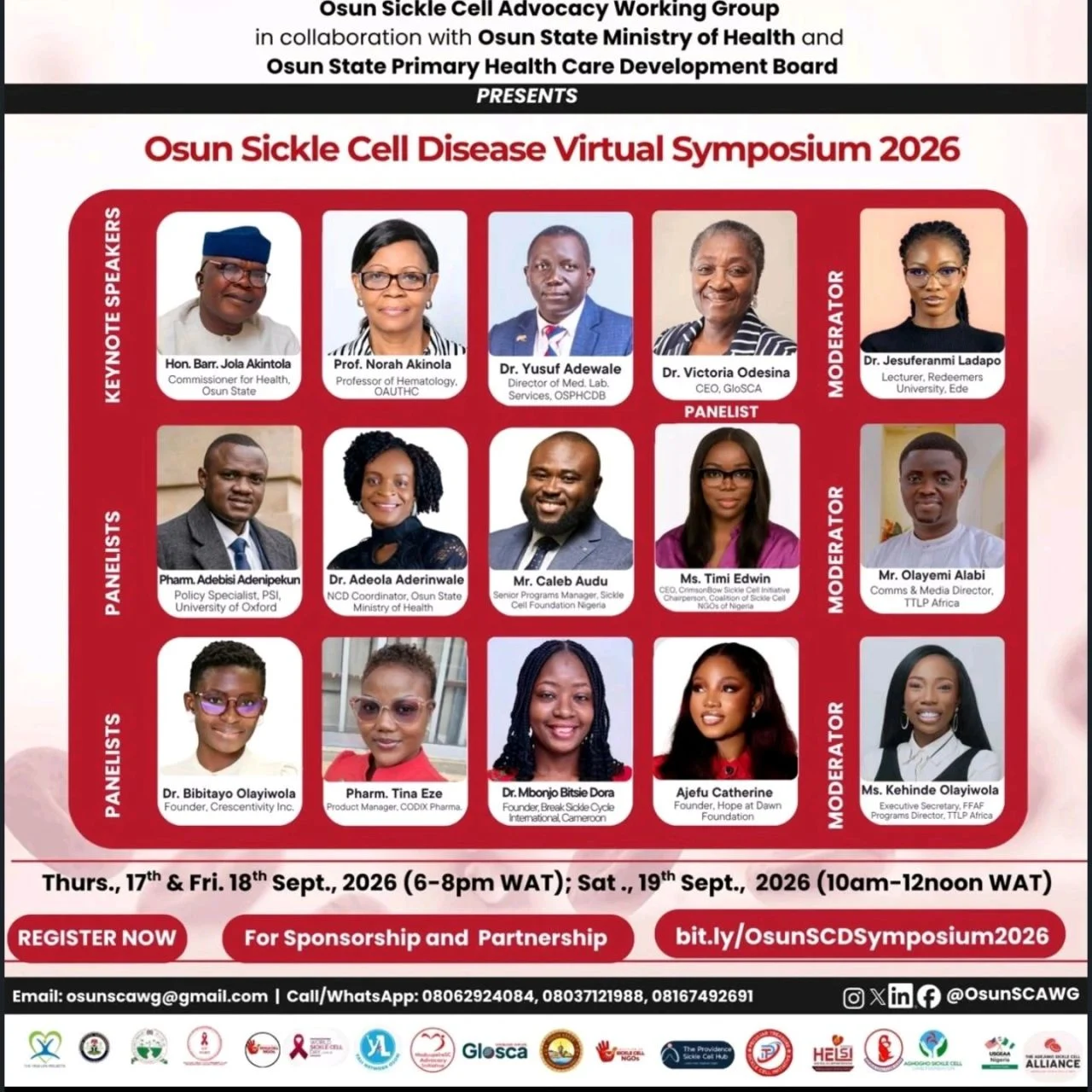
Stay updated with Hemostasis Today.

-
Nov 13, 2026, 03:21Abdul Muqtadir Abbasi: Iron Deficiency Beyond Anemia and the Importance of Finding the Cause
-
Nov 13, 2026, 03:05Marc Carrier: Aspirin vs Anticoagulants for VTE Prevention After Joint Replacement
-
Nov 13, 2026, 02:28Julia Sjöberg: ROCK1 Inhibition and Red Blood Cell Recovery After Chemotherapy
-
Nov 13, 2026, 02:07Tonie Reincke: Understanding Deep Vein Thrombosis and Vascular Health
-
Nov 13, 2026, 01:52Akshita Singh: The Remarkable Process of Blood Clotting
-
Nov 12, 2026, 22:52Milka Koupenova: The Role of Platelet RIG-I in Regulating Thrombotic Responses
-
Nov 12, 2026, 22:50Arun V J: Why Has India Still Not Achieved 100% Voluntary Blood Donation?
-
Nov 12, 2026, 22:49Sickle Cell Disease Deserves to Be Prioritised in Ghana – ISCC
-
Nov 12, 2026, 22:47Samir Kumar Beura: Delighted to Serve as a Topic Editor for a Research Topic in Frontiers in Neuroscience