

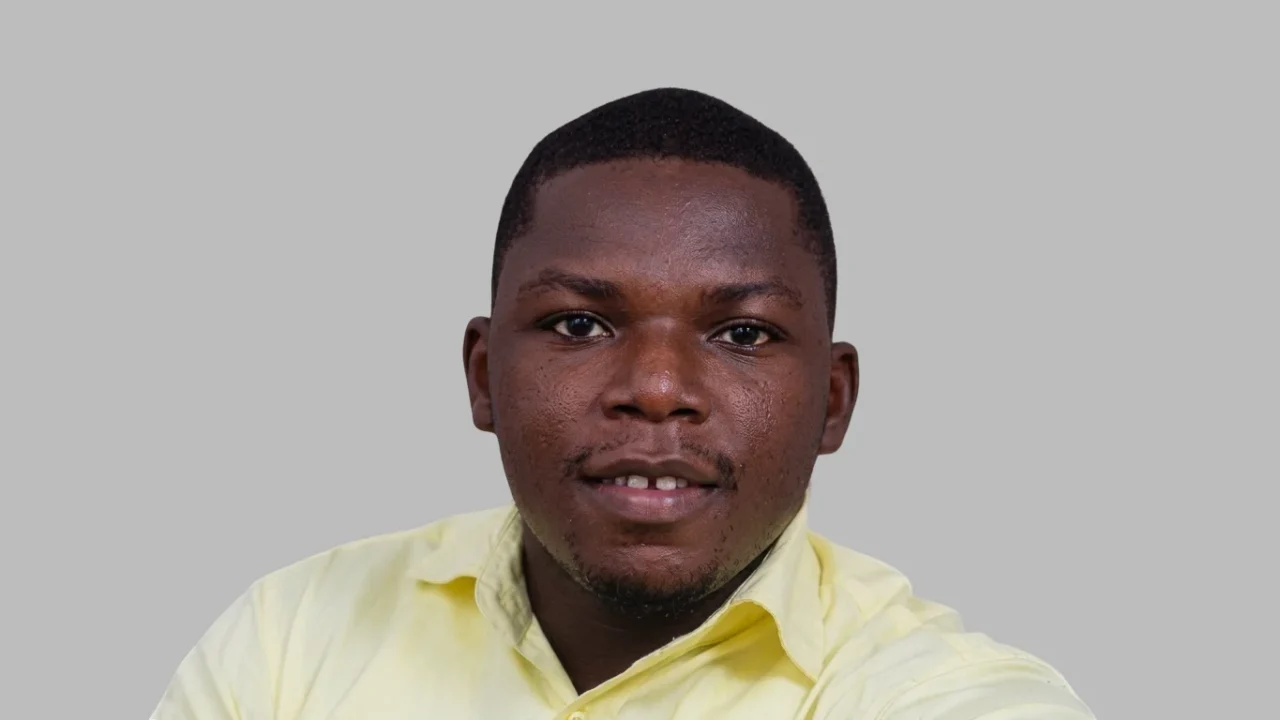
Bastu Odoka: What Happened to Blood Donation?
Bastu Odoka, Transfusion Scientist at Effia-Nkwanta Regional Hospital, shared a post on LinkedIn:
“I have never been this worried about blood donation.
I have worked in the blood bank for years, and I honestly cannot remember a time when getting people to donate blood was this difficult.
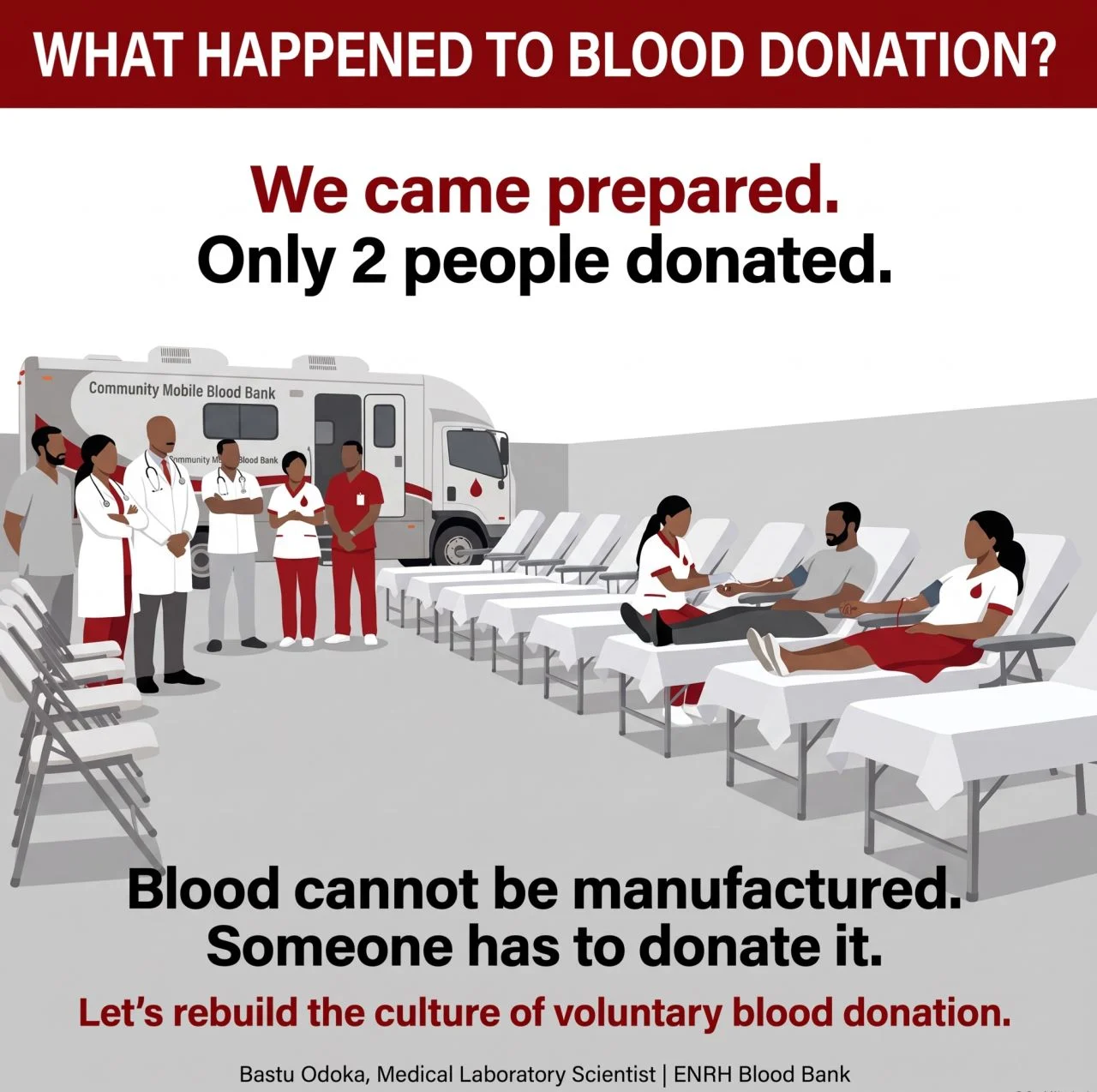
Sometimes we move an entire blood collection team and vehicle to a church/mosque/organisation for a blood drive.
We set everything up, spend hours there, and at the end of the day, we may have just two people donating blood.
We approach schools to organize blood donation exercises among eligible donors, and even getting access is becoming difficult.
What surprises me most is what happens when someone actually needs blood.
A relative is admitted and urgently needs a transfusion, but getting a healthy family member to donate can still become a struggle.
Sometimes the first question is:
‘Can’t we just pay for the blood?’
And unfortunately, I see the same attitude even among some healthcare workers.
That worries me.
Because we know where blood comes from.
There is no factory somewhere producing blood for hospitals.
Every unit sitting in a blood bank came from another human being who decided to donate.
Patients will continue to need blood whether people donate or not.
Women will still bleed during childbirth.
Children will still come in with severe anaemia.
Accident victims will still need emergency transfusions.
People will still undergo major surgeries.
So what happens when fewer and fewer people are willing to donate?
My fear is that if we are not careful, we will gradually create a system where we become increasingly dependent on people donating mainly because they are being paid.
And that is not where we want to go with blood safety.
We need our churches, mosques, schools, hospitals, community leaders and healthcare workers to help us bring back the culture of voluntary blood donation.
And as individuals, if we are healthy and eligible to donate, we should seriously consider doing it.
Because the truth is, most of us don’t think about blood until someone close to us needs it.
You may never know whose life your blood will save.
But one day, the person waiting desperately for a donor could be someone you love.”
Stay updated with Hemostasis Today.
-
Sep 25, 2026, 14:12Managing Breakthrough Bleeds in Hemophilia – National Bleeding Disorders Foundation
-
Sep 25, 2026, 13:50Alejandro González Veliz: Beyond the Golden Hour in Stroke Care
-
Sep 25, 2026, 13:32Gevorg Yaghjyan: Low Drug Levels, Higher Cardiovascular Risk in Lupus
-
Sep 25, 2026, 12:43Thomas Dayspring: Reshaping the Biology of Atherosclerotic Plaques with New Therapies
-
Sep 25, 2026, 12:14Garima Sharma: Community Clinical Linkages for Better Postpartum Cardiovascular Care
-
Sep 25, 2026, 10:49Shefina S: From Presenting to Hosting at TRANSCON 2026
-
Sep 25, 2026, 10:37Michelle Leona Cecil: Hemophilia Advocacy and the Power of Community
-
Sep 25, 2026, 10:13Michael Baria: Platelet Concentration and PRP Outcomes in Partial Rotator Cuff Tears
-
Sep 25, 2026, 09:49Haley Coleman: Volunteering to Support Hemophilia Awareness