

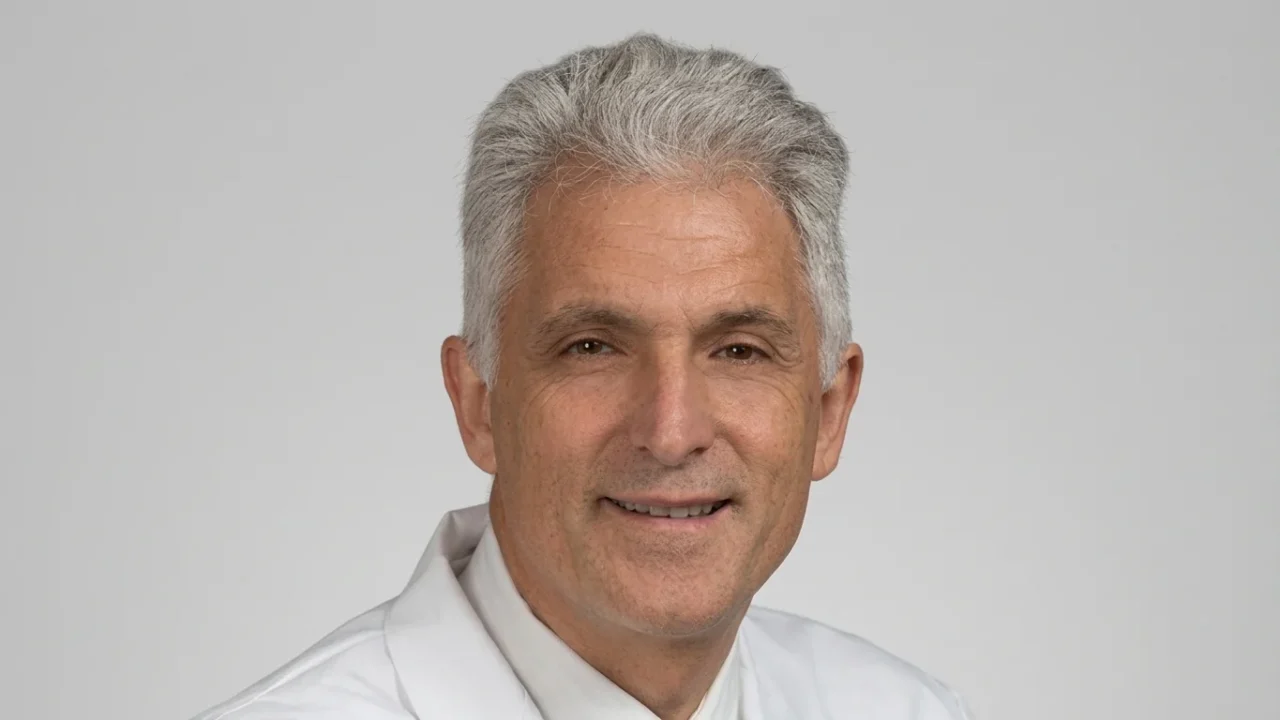
Sam Tsimikas: Lp(a) and Oxidized Phospholipids Link Lipoprotein Biology to Platelet Activation
Sam Tsimikas, Professor of Medicine at the University of California, San Diego, shared a post on X։
”Lp(a) carries biologically active oxidized phospholipids (OxPL).
New research links its OxPL cargo to platelet hyperactivation through CD36, connecting Lp(a) biology to thrombosis and highlighting the importance of what the particle carries.
Lp(a) may be more involved in platelet function that previously appreciated, see our review on this also.”
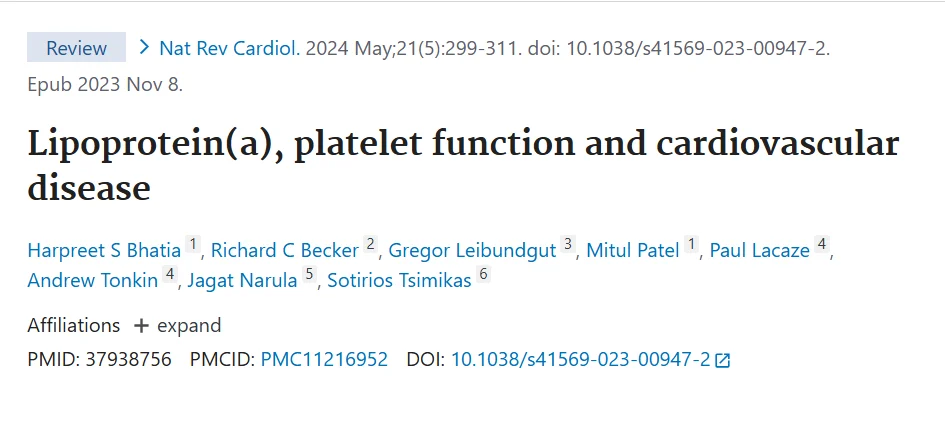
Title 1: Lipoprotein(a), platelet function and cardiovascular disease
Authors: Harpreet S Bhatia, Richard C Becker, Gregor Leibundgut, Mitul Patel, Paul Lacaze, Andrew Tonkin, Jagat Narula, Sotirios Tsimikas
Read the Full Article on Nature Reviews Cardiology
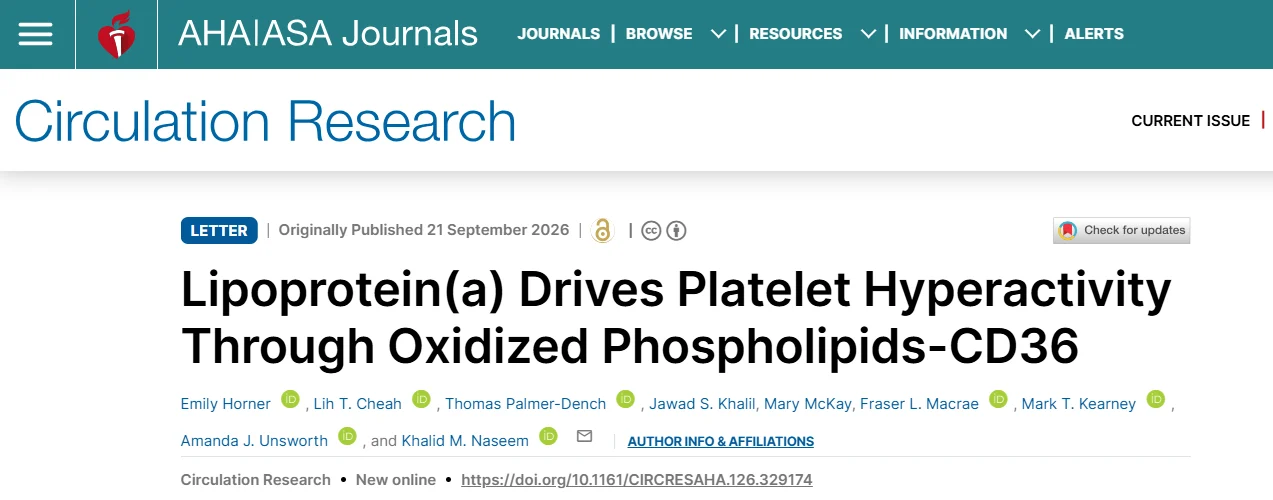
Title 2: Lipoprotein(a) Drives Platelet Hyperactivity Through Oxidized Phospholipids-CD36
Authors: Emily Horner, Lih T. Cheah, Thomas Palmer-Dench, Jawad S. Khalil, Mary McKay, Fraser L. Macrae, Mark T. Kearney, Amanda J. Unsworth, Khalid M. Naseem
Read the Full Article on Circulation Research
Stay updated on all scientific advances with Hemostasis Today.
-
Nov 13, 2026, 03:21Abdul Muqtadir Abbasi: Iron Deficiency Beyond Anemia and the Importance of Finding the Cause
-
Nov 13, 2026, 03:05Marc Carrier: Aspirin vs Anticoagulants for VTE Prevention After Joint Replacement
-
Nov 13, 2026, 02:28Julia Sjöberg: ROCK1 Inhibition and Red Blood Cell Recovery After Chemotherapy
-
Nov 13, 2026, 02:07Tonie Reincke: Understanding Deep Vein Thrombosis and Vascular Health
-
Nov 13, 2026, 01:52Akshita Singh: The Remarkable Process of Blood Clotting
-
Nov 12, 2026, 22:52Milka Koupenova: The Role of Platelet RIG-I in Regulating Thrombotic Responses
-
Nov 12, 2026, 22:50Arun V J: Why Has India Still Not Achieved 100% Voluntary Blood Donation?
-
Nov 12, 2026, 22:49Sickle Cell Disease Deserves to Be Prioritised in Ghana – ISCC
-
Nov 12, 2026, 22:47Samir Kumar Beura: Delighted to Serve as a Topic Editor for a Research Topic in Frontiers in Neuroscience