

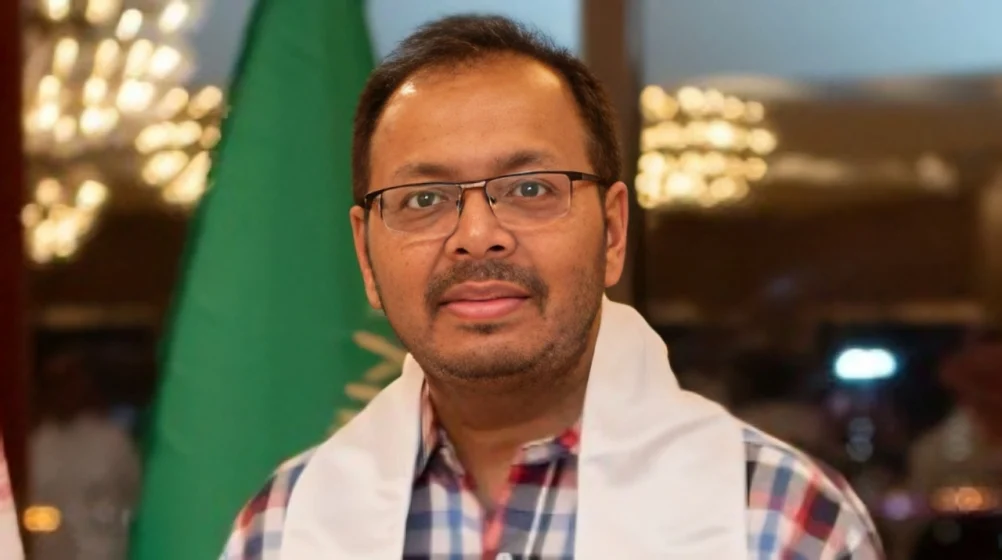
Kalyan Roy: Blood Group Chimerism as a Rare Cause of ABO Discrepancy
Kalyan Roy, Transfusion Medicine Specialist at Square Hospitals LTD, shared a post on LinkedIn:
”Chimera: A Hidden Dual Identity in Blood Group and Transfusion Medicine
Have you ever encountered an unexplained mixed-field agglutination during ABO typing?
One rare explanation is blood-group chimerism—the presence of two genetically distinct red-cell populations within the same individual.
Key causes include:
- Twin hematopoietic chimerism
- Tetragametic chimerism
- Dispermic chimerism
- Post-HSCT donor–recipient chimerism
Laboratory clues:
Mixed-field reactions in ABO/Rh or other blood-group systems, unexpected phenotype–genotype discrepancies, and unusual serologic patterns.
Important differential diagnoses:
Recent transfusion, ABO subgroups, HSCT, fetomaternal hemorrhage, mosaicism, and technical/sample errors.
When unexplained:
Consider extended serology, flow cytometry, ABO genotyping, STR analysis, and—when appropriate—DNA comparison from different tissues.
Key message:
Not every mixed-field reaction is chimerism—but every unexplained ABO discrepancy deserves an explanation before blood is issued.”
Stay updated with Hemostasis Today.
-
Nov 13, 2026, 03:21Abdul Muqtadir Abbasi: Iron Deficiency Beyond Anemia and the Importance of Finding the Cause
-
Nov 13, 2026, 03:05Marc Carrier: Aspirin vs Anticoagulants for VTE Prevention After Joint Replacement
-
Nov 13, 2026, 02:28Julia Sjöberg: ROCK1 Inhibition and Red Blood Cell Recovery After Chemotherapy
-
Nov 13, 2026, 02:07Tonie Reincke: Understanding Deep Vein Thrombosis and Vascular Health
-
Nov 13, 2026, 01:52Akshita Singh: The Remarkable Process of Blood Clotting
-
Nov 12, 2026, 22:52Milka Koupenova: The Role of Platelet RIG-I in Regulating Thrombotic Responses
-
Nov 12, 2026, 22:50Arun V J: Why Has India Still Not Achieved 100% Voluntary Blood Donation?
-
Nov 12, 2026, 22:49Sickle Cell Disease Deserves to Be Prioritised in Ghana – ISCC
-
Nov 12, 2026, 22:47Samir Kumar Beura: Delighted to Serve as a Topic Editor for a Research Topic in Frontiers in Neuroscience