

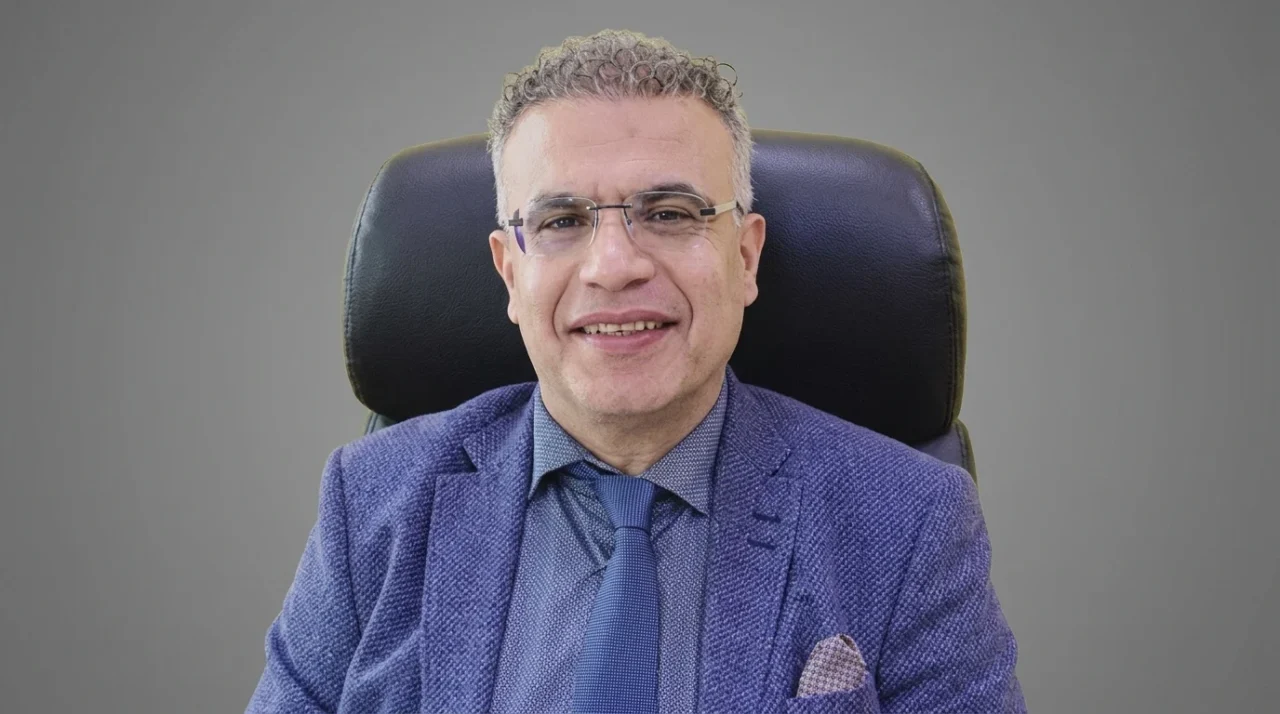
Ashraf Dada: Smart Algorithm Enables Successful Single-Session Stem Cell Collection
Ashraf Dada, Chairman Department of Pathology and Laboratory Medicine, Adjunct Full Professor Alfaisal University at King Faisal Specialist Hospital and Research Center, shared a post LinkedIn:
“Our stem cell collection breakthrough, developed at King Faisal Specialist Hospital and Research Centre in Jeddah, Saudi Arabia, is now featured with a visual abstract.
Published today as the lead article in the journal’s latest issue (2/4), this achievement coincides with Saudi National Day and reflects the Kingdom’s commitment to empowering its scientists, physicians, and institutions to excel and develop innovative solutions to healthcare challenges.
Our applied smart algorithm enables precise stem cell collection in a single session, with unprecedented outcomes:
- 100% single-session success among male donors; 94.9% overall
- No third or fourth collection sessions
- 91.6% predictive accuracy
- 91.2% patient survival at 100 days after transplantation
May the Kingdom remain a beacon of science, innovation, and ambition. Happy National Day!”
Stay updated with Hemostasis Today.
-
Sep 27, 2026, 13:31Mohamud Abdullahi Mohamed: Essential Resource for Clinical Hematology Diagnostics
-
Sep 27, 2026, 13:19Julie Makani: Advances and Challenges in Sickle Cell and Beta Thalassemia Treatment
-
Sep 27, 2026, 12:56Ana Lidia Flores-Mireles: Fibrin Suppresses Macrophage Defenses in Catheter-Associated UTIs
-
Sep 27, 2026, 12:30Francesco Onida: Maria Domenica Cappellini Receives 2026 Lettura Ferrata Award
-
Sep 27, 2026, 09:03Tareq Abadl: Hemoglobin Electrophoresis Patterns Across Thalassemia Syndromes
-
Sep 27, 2026, 08:33Vincent Serra: Beyond Oncology The Expanding Landscape of Immunotherapy
-
Sep 27, 2026, 08:18Tanmoy Debnath: Multiplexed Genetic Screening From a Single Newborn Blood Spot
-
Sep 27, 2026, 07:57Christopher D: Personalized CRISPR Therapy and the Future of Rare Disease Care
-
Sep 27, 2026, 07:27Alexander Misono: Chronic Deep Vein Thrombosis and the Impact of Delayed Treatment